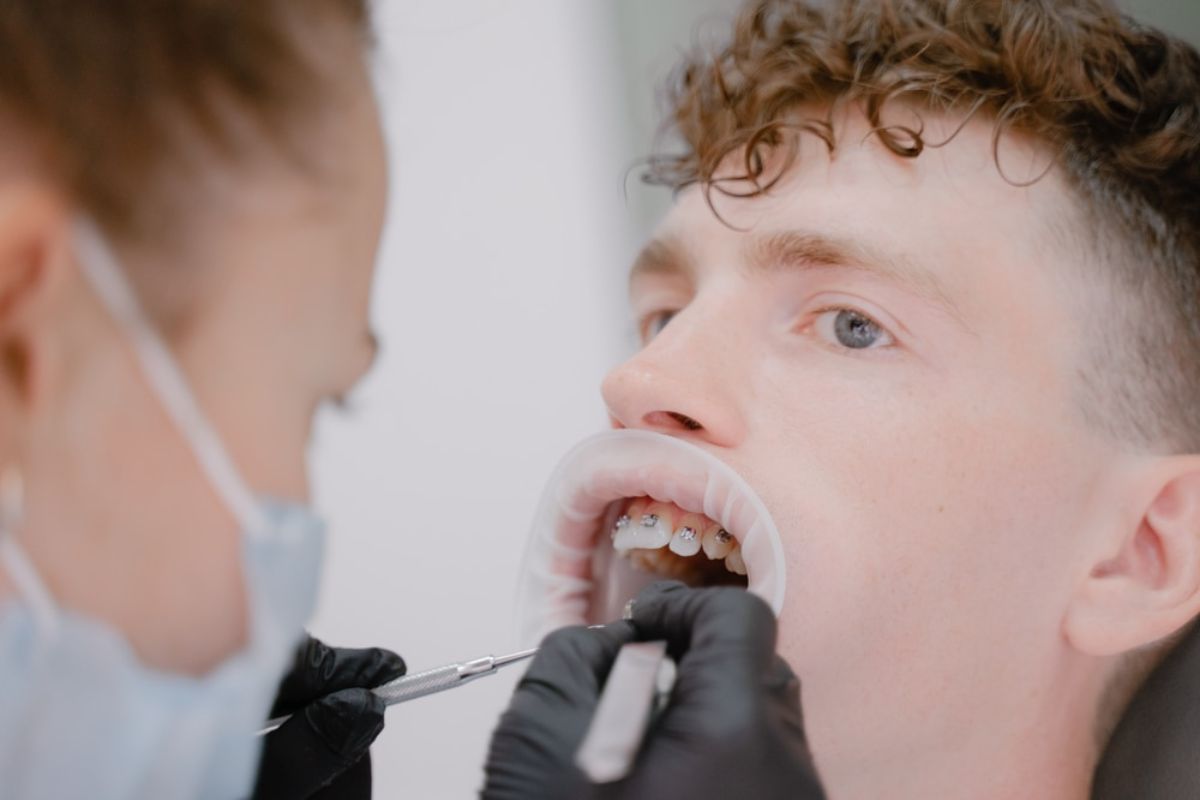
A deep bite, or excessive overbite, is a common dental condition in which the upper front teeth overlap the lower front teeth. While a mild deep bite may not require immediate correction, a severe deep bite can lead to various oral health issues, including tooth wear, gum damage, jaw joint pain, speech difficulties, and difficulty chewing.
Therefore, it is recommended that you consult with an orthodontist to assess the severity and discuss potential treatment options.
While it may seem like a purely cosmetic issue, a deep bite can lead to various oral health problems, including:
- Tooth wear: Excessive pressure on the teeth can cause them to wear down over time.
- Gum damage: The increased force can damage the gums, leading to gum recession and potential gum disease.
- Jaw joint pain (TMJ disorder): A deep bite can strain the temporomandibular joint, causing pain and discomfort.
- Speech difficulties: Sometimes, a deep bite can affect speech clarity.
- Difficulty chewing: The misalignment of the teeth can make it harder to bite and chew food properly.
What Does Having a Deep Bite Mean?
A deep bite is a type of malocclusion, which is a misalignment of the teeth. Genetic factors, habits like thumb-sucking or tongue-thrusting, and underlying medical conditions can cause it.
How Do You Fix a Deep Bite?
The treatment for a deep bite will depend on the severity of the condition and the individual’s specific needs. Orthodontic treatment, such as braces or aligners, can often correct a deep bite. By gradually shifting the position of the teeth, orthodontists can improve the bite and create a more balanced and functional smile.
Can You Fix a Deep Bite Without Surgery?
In most cases, a deep bite can be corrected without surgery. Orthodontic treatment is typically the preferred method for addressing this condition. However, surgery may be necessary to correct the underlying skeletal issue in severe cases where the jawbone is significantly misaligned.
If you suspect you have a deep bite, it’s crucial to consult with an orthodontist for a proper diagnosis and treatment plan. Early intervention is key, as it can help prevent further complications and improve your overall oral health.
Additional Tips for Managing a Deep Bite
- Regular dental checkups are a must. Schedule them to monitor your oral health and address any issues early on. This proactive approach can provide reassurance and ensure you’re well-cared for.
- Avoid bad habits: Avoid habits like nail-biting, thumb-sucking, or tongue thrusting, as these can contribute to a worsening of the deep bite.
- Maintain good oral hygiene: Brush your teeth twice daily, floss daily, and use a mouthwash. By doing so, you’re taking an active role in your oral health, which can be empowering and beneficial.
- Consider a night guard: If you grind your teeth at night, a night guard can help protect your teeth and reduce the strain on your jaw joint.
Understanding the causes and consequences of a deep bite can help you take steps to address the issue and improve your oral health.
Contact Schuessler Orthodontics in Enid, Ponca City, or Stillwater to schedule a consultation if you’re concerned about a deep bite.