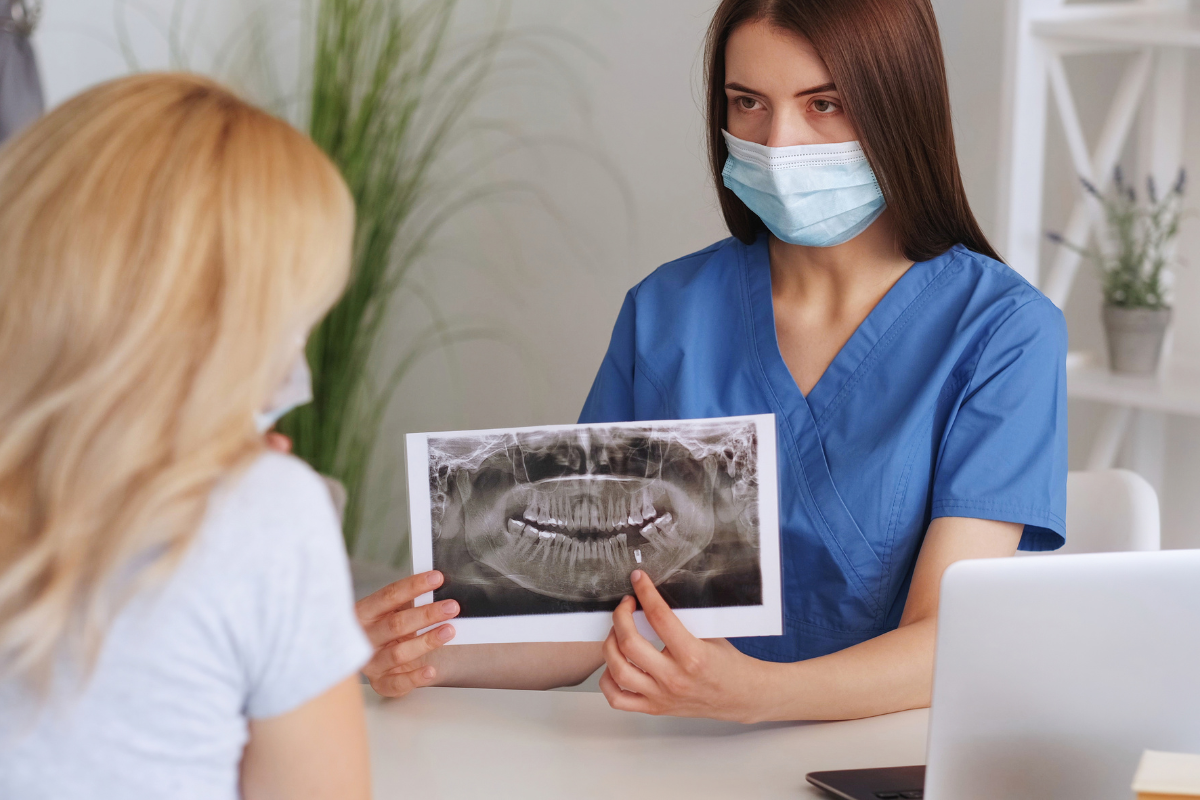
Dentofacial functional abnormalities encompass a range of conditions that affect the proper growth and development of the jaws, teeth, and facial structures. These abnormalities can impact not only a person’s appearance but also their oral health, speech, and even their overall well-being.
What is a Dentofacial Functional Abnormality?
Our faces are complex structures, a delicate interplay of bones, muscles, and soft tissues. The proper function relies on harmonious relationships between these components. Dentofacial abnormalities disrupt this balance, leading to a variety of issues.
Common Types of Dentofacial Functional Abnormalities
- Malocclusion is the most well-known term for any deviation from the ideal bite.
- Class I Malocclusion: Teeth are generally aligned but may be crowded or spaced.
- Class II Malocclusion: The upper jaw is protruded, causing an overbite.
- Class III Malocclusion: The lower jaw protruded, resulting in an underbite.
- Jaw Discrepancies: These involve misalignments between the upper and lower jaws.
- Overjet: Excessive protrusion of the upper front teeth.
- Open Bite: Difficulty closing the front teeth.
- Crossbite: Some upper teeth bite inside the lower teeth.
- Facial Asymmetry: Uneven facial features, often due to jaw misalignment.
- Sleep-Disordered Breathing: Conditions like obstructive sleep apnea can be linked to dentofacial abnormalities, such as narrow airways.
Causes of Dentofacial Functional Abnormalities
- Genetics: Inherited traits significantly affect jaw development and tooth alignment.
- Environmental Factors: Thumb sucking: Prolonged thumb sucking can affect the development of the palate and teeth.
- Pacifier use: Excessive or prolonged pacifier use can have similar effects.
- Mouth breathing: Chronic mouth breathing can alter facial growth patterns.
- Trauma: Injuries to the jaw or teeth can cause misalignment.
- Growth Disorders: Certain medical conditions can affect facial growth.
The Impact of Dentofacial Functional Abnormalities
- Aesthetic Concerns: Misaligned teeth and facial asymmetry can significantly impact a person’s self-esteem and confidence.
- Oral Health Issues: Difficulty chewing and speaking: Malocclusion can make eating and communicating difficult.
- Increased risk of cavities and gum disease: Misaligned teeth are more challenging to clean, increasing the risk of dental problems.
- Tooth wear and tear: Improper bite can lead to excessive wear and tear on teeth.
- Temporomandibular Joint Disorders (TMJ): Misaligned jaws can strain the temporomandibular joints, causing pain and discomfort.
- Sleep Disorders: Some dentofacial abnormalities can contribute to sleep apnea and other breathing problems.
Treatment Options
- Orthodontics:
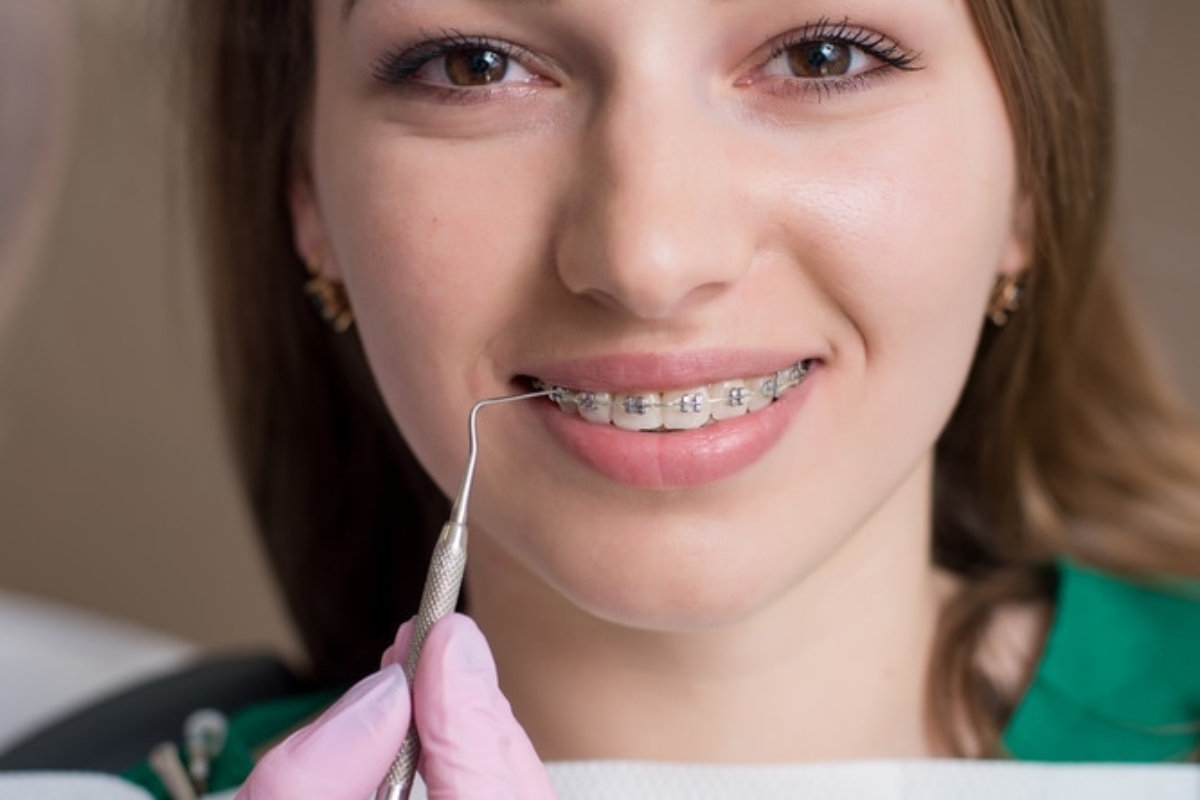
- Orthodontics:Braces: Traditional metal braces, clear braces, and lingual braces are standard options for correcting misaligned teeth.
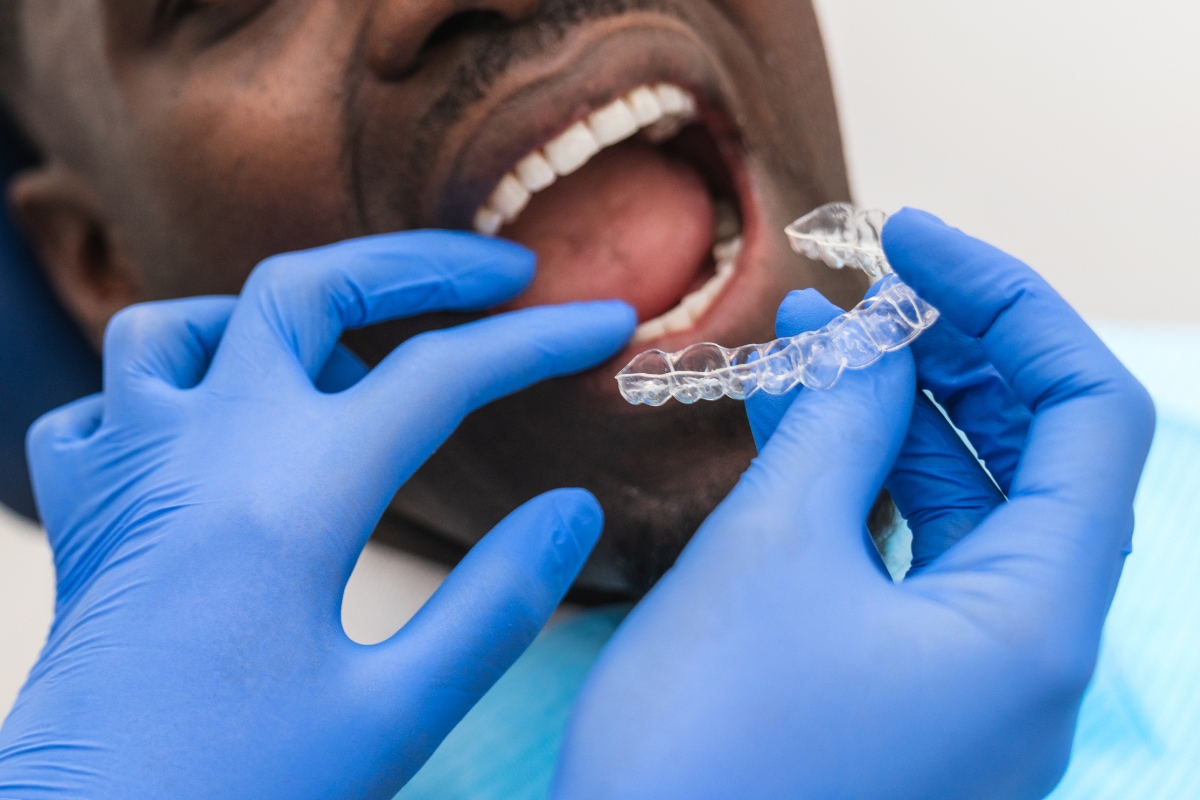
- Clear Aligners: Invisalign is a popular alternative to traditional braces, offering a more discreet treatment option.
- Early Interceptive Treatment: In some cases, early intervention can prevent more complex problems later.
- Orthognathic Surgery: For severe jaw discrepancies, surgery may be necessary to correct the underlying skeletal issues.
- Myofunctional Therapy: This involves exercises to improve tongue posture and swallowing patterns.
- Speech Therapy: In some cases, speech therapy may be beneficial to address speech difficulties associated with malocclusion.
The Importance of Early Detection and Treatment
Early detection and treatment of dentofacial functional abnormalities can offer several benefits:
- Improved Oral Health: Addressing issues early can prevent more serious dental problems.
- Enhanced Self-Esteem: Correcting cosmetic concerns can significantly boost a person’s confidence.
- Improved Function: Treatment can improve chewing, speaking, and swallowing function.
- Reduced Risk of Future Problems: Early intervention can prevent developing more complex issues later in life.
Choosing the Right Orthodontist
Selecting a qualified orthodontist is crucial for successful treatment. At Schuessler Orthodontics, our team of experienced professionals is dedicated to providing personalized care for patients of all ages. We utilize the latest technologies and techniques to achieve optimal results.
Contact Us Today
If you or your child is experiencing any concerns about dentofacial development, please contact Schuessler Orthodontics in Enid, Ponca City, or Stillwater. We offer complimentary consultations to discuss your needs and develop a personalized treatment plan.