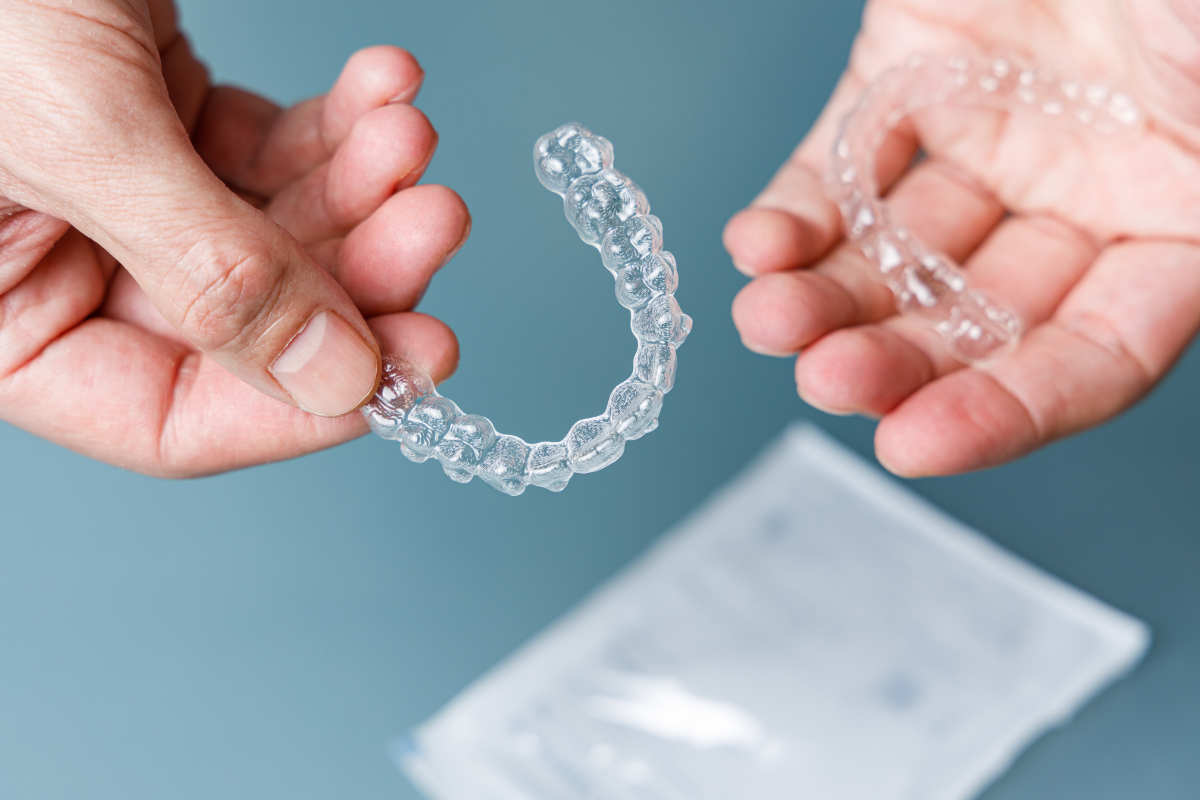
Invisalign has revolutionized teeth straightening, offering a discreet and convenient alternative to traditional braces. However, like any orthodontic treatment, it comes with adjustments and potential side effects. One common complaint among Invisalign users is dry mouth, also known as xerostomia. While seemingly minor, dry mouth can be uncomfortable and, if left unaddressed, lead to other oral health problems. So, why does Invisalign sometimes cause this issue, and what can you do about it?
Understanding Dry Mouth (Xerostomia)
Before diving into the Invisalign-specific reasons, it’s essential to understand what dry mouth is. Saliva plays a crucial role in maintaining oral health. It lubricates the mouth, helps with chewing and swallowing, neutralizes acids produced by bacteria, and washes away food particles. When saliva production is reduced, the mouth becomes dry, leading to a variety of symptoms, including:
- A sticky, dry feeling in the mouth
- Thick or stringy saliva
- A burning sensation in the mouth
- Difficulty swallowing or speaking
- Sore throat
- Cracked lips
- Increased risk of cavities and gum disease
Why is My Invisalign Making My Mouth Dry?
While Invisalign itself doesn’t directly reduce saliva production, several factors associated with wearing aligners can contribute to dryness:
- Increased Airflow: Wearing Invisalign aligners can slightly alter how your mouth closes, potentially leading to increased airflow. This increased airflow can quickly evaporate saliva, resulting in a dry feeling. Think of it like leaving your mouth slightly open – it dries out faster than when it’s closed.
- Mouth Breathing: Sometimes, the aligners can make breathing comfortably through the nose slightly more difficult, especially in the initial days of a new set. This can lead to mouth breathing, a major culprit in drying the oral cavity. When you breathe through your mouth, you bypass the humidifying effect of the nasal passages, leading to rapid saliva evaporation.
- Changes in Saliva Composition: While the amount of saliva might not decrease significantly, some individuals experience a change in its composition. It might become thicker or stickier, making the mouth feel drier even with sufficient volume. This change in composition can be attributed to the altered oral environment created by the aligners.
- Reduced Saliva Circulation: The aligners cover a significant portion of the tooth surface, which can potentially interfere with the natural flow and circulation of saliva within the mouth. This can create pockets where saliva doesn’t reach as effectively, contributing to a feeling of dryness.
- Dehydration: It’s crucial to stay hydrated while wearing Invisalign. Some people drink less water because they don’t want to remove their aligners frequently. This can lead to mild dehydration, which exacerbates dry mouth. Remember, adequate hydration is essential for saliva production.
- Cleaning Regimen: Maintaining oral hygiene is paramount with Invisalign. However, some mouthwashes or toothpaste containing alcohol can dry out the mouth. If you’re experiencing dry mouth, check the ingredients of your oral hygiene products and opt for alcohol-free versions.
- Underlying Medical Conditions: While Invisalign can contribute to dry mouth, it’s essential to rule out any underlying medical conditions that might be causing or worsening the issue. Certain medications, medical treatments (like radiation therapy), and health conditions (like Sjogren’s syndrome) can significantly impact saliva production. If your dry mouth is persistent or severe, consult your orthodontist to rule out any underlying causes.
- Psychological Factors: Stress and anxiety can sometimes contribute to dry mouth. Starting any new treatment, including Invisalign, can be a source of stress for some individuals. If you suspect stress is a factor, consider relaxation techniques like deep breathing or meditation.
Managing Dry Mouth While Wearing Invisalign
Fortunately, there are several strategies you can employ to combat dry mouth while wearing Invisalign:
- Stay Hydrated: Drink plenty of water throughout the day. Carry a water bottle and sip frequently, even if you don’t feel particularly thirsty. This is the most fundamental and crucial step.
- Chew Sugar-Free Gum: Chewing sugar-free gum stimulates saliva production. Look for gums containing xylitol, which is also beneficial for preventing tooth decay.
- Use Saliva Substitutes: Over-the-counter saliva substitutes, available in sprays, gels, or lozenges, can temporarily relieve dry mouth. These products mimic the properties of natural saliva and can help lubricate the mouth.
- Use a Humidifier: A humidifier, especially at night, can add moisture to the air and help prevent your mouth from drying out while you sleep.
- Avoid Drying Agents: Limit your intake of caffeine and alcohol, as these substances can dehydrate you and worsen your dry mouth. Also, check the ingredients of your mouthwash and toothpaste and choose alcohol-free options.
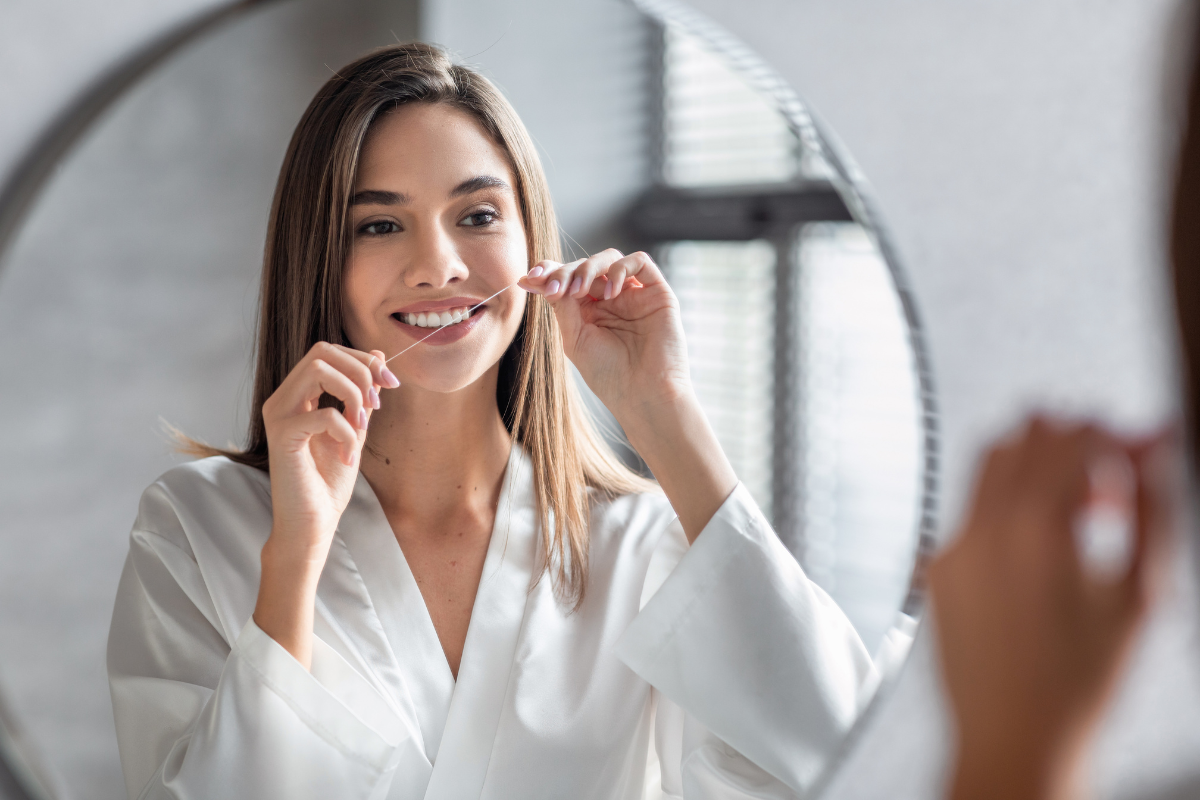
- Practice Good Oral Hygiene: Maintain a consistent oral hygiene routine, including brushing, flossing, and cleaning your aligners regularly. This helps prevent plaque buildup and reduces the risk of gum disease, which can be exacerbated by dry mouth.
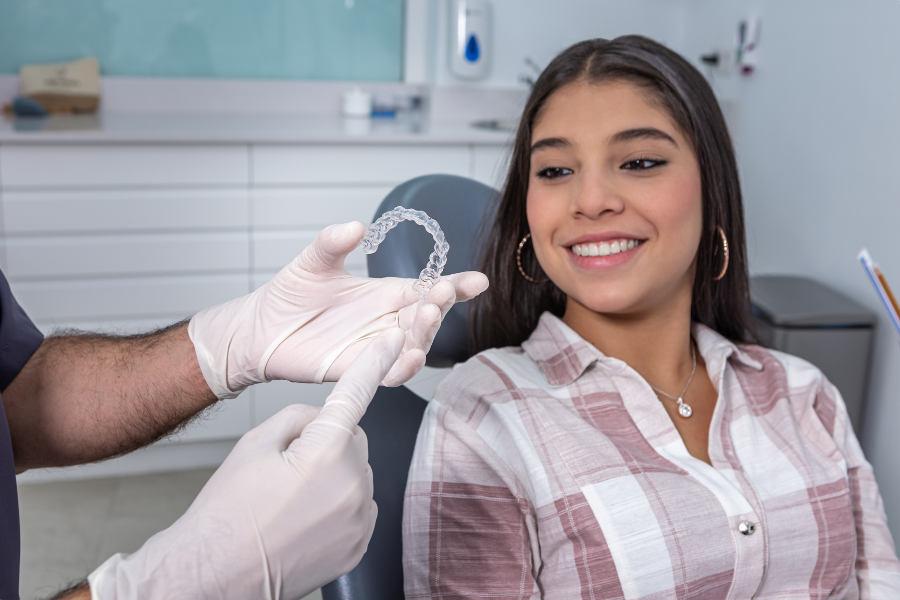
- Consult Your Orthodontist: If your dry mouth is persistent or severe, don’t hesitate to consult your orthodontist. They can help identify the cause and recommend appropriate treatment options. They might suggest specific products or adjust your treatment plan if necessary.
- Consider Biotene Products: Biotene offers a range of products specifically designed to relieve dry mouth, including toothpaste, mouthwash, and oral sprays. These products are formulated to be gentle and moisturizing.
- Nasal Breathing Exercises: If you find yourself mouth breathing, practice breathing exercises to strengthen your nasal passages and encourage breathing through your nose.
- Regular Checkups: Regular dental checkups are essential for maintaining oral health, especially when dealing with dry mouth. Your orthodontist can monitor your condition and provide personalized recommendations for managing it.
Dry mouth can be a bothersome side effect of Invisalign treatment, but it’s usually manageable with the right strategies. By understanding the potential causes and implementing the tips mentioned above, you can keep your mouth comfortable and maintain optimal oral health throughout your Invisalign journey. Communication with your orthodontist and orthodontist is key to addressing concerns and ensuring a successful treatment outcome.