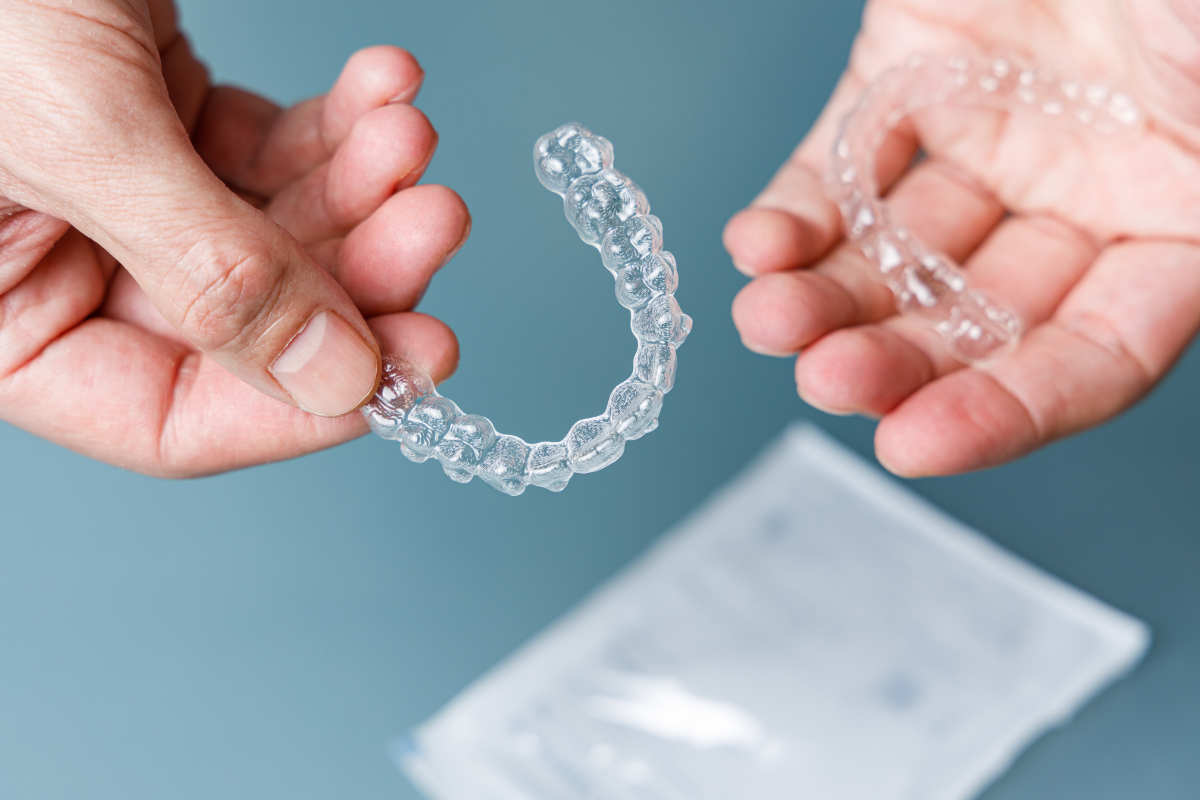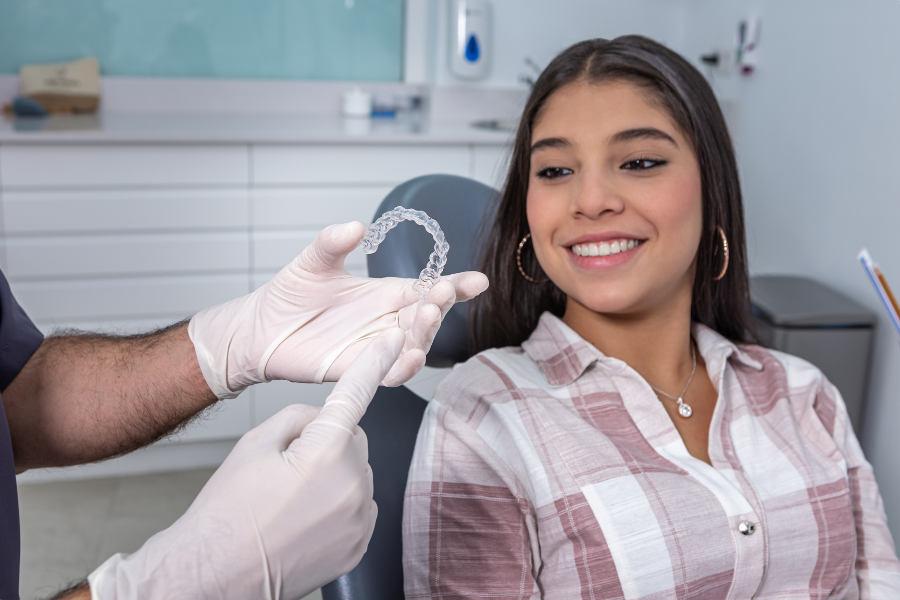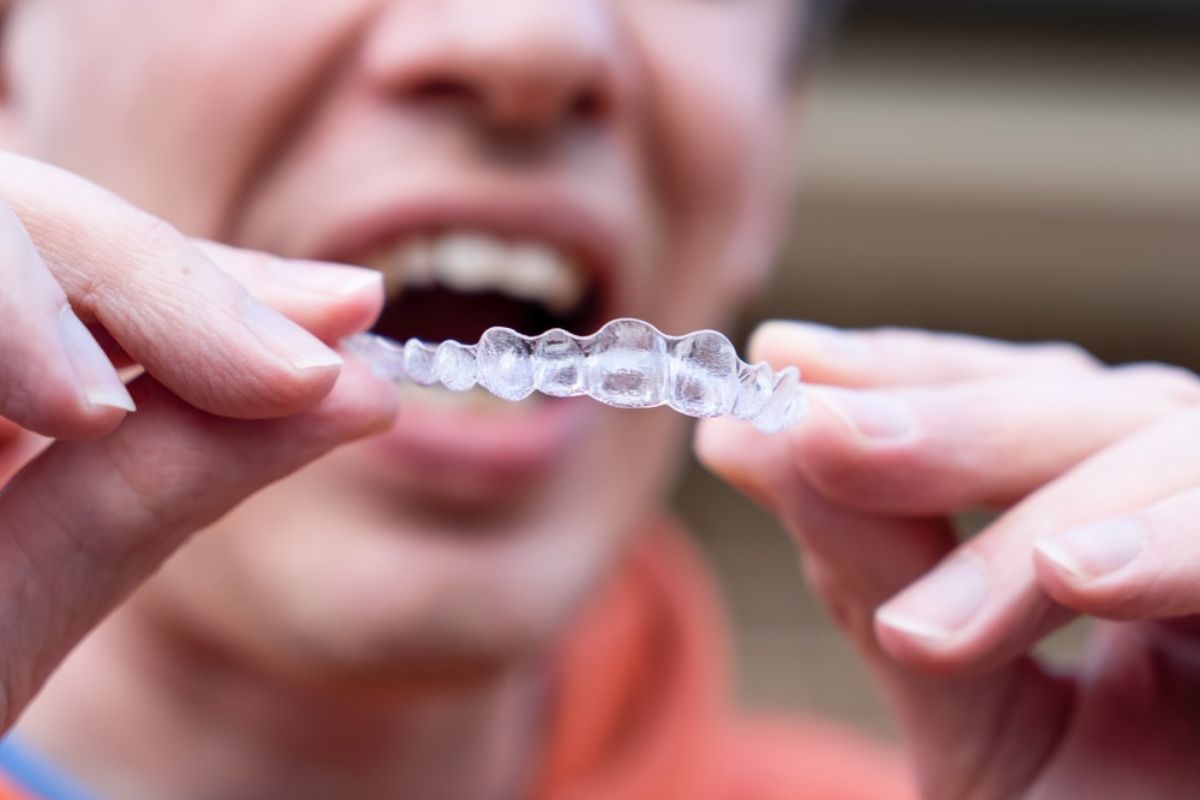
Upgrading to Invisalign from traditional braces is the smart, stylish choice for perfecting your smile. Unlike braces, Invisalign are nearly invisible, letting you maintain confidence while aligning your teeth discreetly. They’re also removable, making eating, brushing, and flossing easy. In this blog, you will get to know whether you can change to a modern orthodontic treatment rather than the traditional one.
Understanding the Transition from Fixed Braces to Aligners
Switching to removable aligners after undergoing treatment with wire braces is a common and effective choice. Many individuals opt for this approach to address minor shifts or imperfections that develop over time.
Teeth can naturally move slightly after fixed orthodontic appliances are removed, particularly if retainer use has been inconsistent. Dental aligners are specifically designed to target these subtle changes, ensuring the alignment achieved through previous orthodontic work is preserved.
Unlike metal braces, invisible aligners provide a smooth, personalized fit, making them a comfortable and practical alternative for those already familiar with orthodontic treatment. They allow targeted adjustments without the bulk or visibility of traditional methods.
Why Opt for Invisible Aligners Post-Treatment?
There are several compelling reasons to consider aligners as a follow-up to fixed braces. Here are the most common benefits:
Minor Adjustments:
Subtle shifts in alignment are natural after completing orthodontic treatment. Plastic aligners effectively correct these movements without additional invasive procedures.
Enhanced Comfort:
Compared to wire braces, removable aligners are crafted from smooth materials that don’t irritate gums or cheeks.
Convenient Maintenance:
Invisible aligners can be removed during meals and oral hygiene routines, offering greater flexibility than fixed options.
Discreet Aesthetics:
For adults and teens, the nearly invisible nature of aligners makes them appealing for social and professional settings.
Orthodontic specialists frequently recommend this modern approach for its precision and adaptability, ensuring each treatment is tailored to the patient’s specific needs.
Factors to Consider Before Switching
Though braces in Stillwater are an excellent option for many patients, certain factors influence their effectiveness. Before transitioning to this form of treatment, it’s essential to evaluate the following:
Current Dental Condition:
The teeth should already be in relatively stable alignment with no major structural concerns. If significant gaps or rotations exist, other interventions might be necessary before aligners can be effective.
Retention Practices:
If you haven’t consistently worn your retainer post-treatment, minor shifts may have occurred, making dental aligners an excellent corrective tool.
Professional Guidance:
Always consult an orthodontist to ensure this method aligns with your unique dental goals. A thorough evaluation will determine if aligners are suitable for your specific situation.
By addressing these factors early, you can maximize the benefits of modern orthodontic solutions while ensuring your smile remains as intended.
Comparing Traditional Braces and Modern Aligners
Understanding the distinctions between conventional braces and their modern counterparts helps patients make informed decisions about their orthodontic care. Here’s a comparison of key aspects:
- Appearance: Plastic aligners are clear and discreet, offering a seamless look compared to the noticeable wires and brackets of fixed braces.
- Functionality: Orthodontic braces are ideal for addressing complex misalignments, while removable aligners are better suited for mild to moderate cases.
- Comfort: Metal appliances can cause discomfort due to their fixed nature, while aligners are smooth and less invasive.
- Maintenance: With wire braces, cleaning teeth around the brackets and wires can be challenging. Aligners, being removable, make brushing and flossing much easier.
- Lifestyle Impact: Unlike fixed options, dental aligners can be taken out for meals and special occasions, adding a level of flexibility that appeals to many patients.
Both methods are highly effective when used for the right cases. The choice largely depends on the specific alignment goals and the patient’s preferences.
Choosing invisible aligners after completing treatment with traditional orthodontic appliances is not only possible but often highly effective. These advanced tools provide a convenient, discreet, and adaptable solution for maintaining or refining alignment. Consulting with a qualified orthodontist ensures the treatment plan, whether braces or Invisalign in Stillwater, meets your needs, helping you achieve long-lasting results.
While traditional braces remain a tried-and-true method for significant corrections, removable aligners offer modern advantages in comfort and flexibility. Together, these approaches provide a comprehensive pathway to a confident, healthy smile.