Introduction
Starting Invisalign treatment is exciting, but the first month can feel like a learning curve. You’re adjusting to wearing aligners, cleaning them, and noticing subtle changes in your smile. Knowing what to expect each week can make the process smoother and help you stay on track. If you’re planning to start Invisalign in Enid or already have, here’s what your first month might look like.
Week 1: Getting Used to Your Aligners
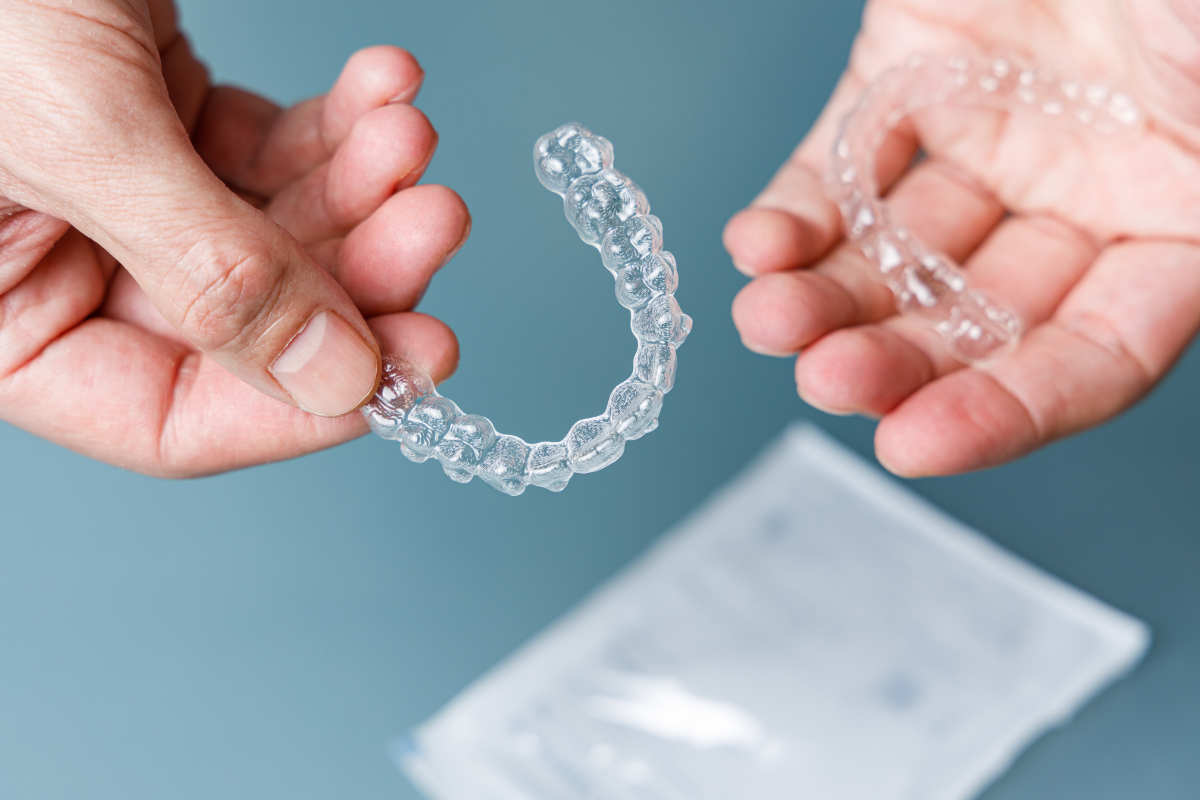
Your first week is all about adjustment. When you first place your Invisalign trays, you may feel tightness or mild pressure. This is normal—it means your aligners are working. Some people also notice slight soreness or a small change in speech, such as a minor lisp. These usually go away within a few days as your mouth adapts.
Here’s what helps during this stage:
- Wear your aligners for 20–22 hours a day. Take them out only for eating, drinking (except water), and brushing.
- Use chewies. These soft tools help seat your aligners properly and reduce discomfort.
- Keep your aligners clean. Rinse them every time you remove them and brush them gently with a soft toothbrush.
Most patients find that by the end of the first week, wearing Invisalign feels much more natural. If you’re getting Invisalign in Enid, your dental team will likely provide a care guide and answer your questions about comfort or fit.
Week 2: Settling Into the Routine
Once you move into your second week, things start feeling easier. The soreness fades, and you’ll likely notice small changes in your teeth alignment. The most important part now is staying consistent. Skipping wear time or removing the trays too often can slow your progress.
By this point, you might:
- Start feeling more confident while speaking with aligners in.
- Develop a rhythm for eating and cleaning.
- Notice that your aligners fit more comfortably as your teeth begin shifting.
Continue brushing and flossing after every meal before putting your aligners back in. This prevents bacteria buildup and staining. If you’re traveling or working long hours, carry a small travel case and toothbrush to keep up with your routine.
Week 3: Noticing Real Progress
By week three, you’ll likely switch to your second or third set of aligners, depending on your dentist’s plan. You may notice small gaps closing or teeth slightly moving into place. It’s motivating to see visible results this early.
Here’s what to expect:
- A bit of tightness again with each new set of aligners.
- Your bite may feel different as teeth shift into alignment.
- You’ll start seeing improvement in how your smile looks in the mirror.
Some people also notice that their aligners come in and out more easily. That means your teeth are adjusting as planned. If your aligners feel too loose or too tight, contact your provider. At clinics offering Invisalign, regular check-ins help ensure your progress stays on track.
Week 4: Adapting to the Lifestyle
By the fourth week, Invisalign starts to feel like second nature. You’ll find yourself automatically cleaning your aligners, swapping trays, and managing wear time without much effort. This is a great sign that you’re adapting well.
During this phase, you can expect:
- Less discomfort when changing trays.
- Easier daily habits around eating and brushing.
- Improved confidence knowing your treatment is working.
You might also notice small lifestyle changes, like drinking more water since aligners discourage frequent snacking. Staying hydrated also helps prevent dry mouth and keeps your aligners clean.
At this point, most patients realize how easy it is to fit Invisalign Enid treatment into daily life. There are no wires or brackets to manage, and you can remove the aligners for special occasions or meals.
Tips for a Smooth First Month
- Stick to your wear schedule, even if your aligners feel snug.
- Keep a case with you to avoid losing them.
- Stay patient—visible results take time but start building from day one.
- Attend your follow-up appointments to monitor progress.
Consistency is key. The more disciplined you are in the first month, the faster you’ll adjust and see progress.
Final Thoughts
Your first month with Invisalign is about adapting, not perfection. The process might feel new at first, but each week brings noticeable changes and more comfort. The small effort you invest now leads to a straighter, healthier smile later.
If you’re considering Invisalign in Enid or already wearing aligners, stay committed and follow your provider’s advice. Remember, every smile is different, but every step counts toward your final result. Ready to learn more about Invisalign Enid treatment and how it can fit your lifestyle? Schedule a consultation with a qualified dentist in your area to get a personalized treatment plan that fits your goals.