Getting your teeth straightened with clear aligners seems straightforward, right? You wear the trays, your teeth move, and you’re done. But what happens when your treatment doesn’t go exactly as planned? That’s where refinements come in, and understanding them can make a real difference in your treatment experience.
What Are Invisalign Refinements?
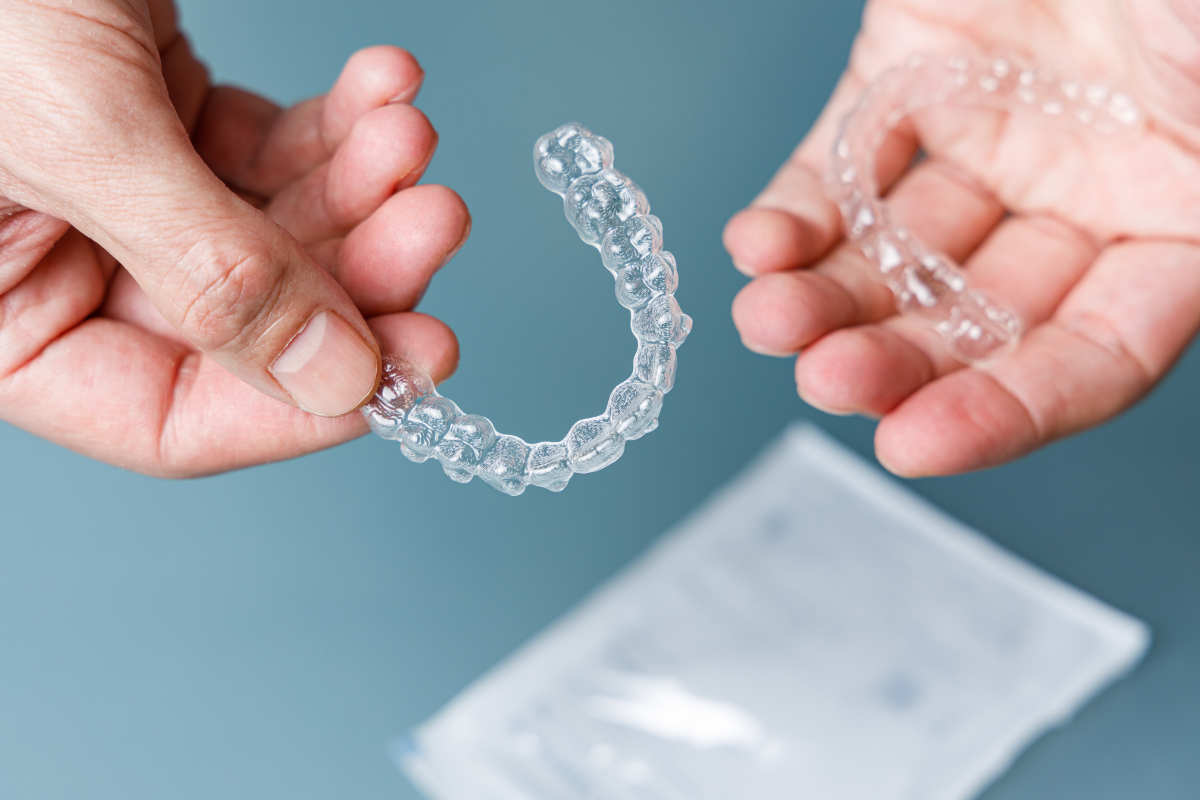
Refinements are additional sets of aligners you might need after completing your initial treatment plan. Think of them as a fine-tuning phase. Your teeth might not end up in their perfect positions after the first round of trays, or sometimes they shift slightly during treatment. Refinements help address these gaps and get your smile exactly where it needs to be.
Most orthodontic treatments, including invisalign in enid, include refinements as part of the overall package. They’re not a sign that something went wrong. Instead, they’re a normal part of ensuring you get the best possible results.
Why Do Some Patients Need Refinements?
Several factors can lead to needing refinement trays. Your teeth might be particularly stubborn in certain areas. Maybe you didn’t wear your aligners for the recommended 22 hours per day, which can slow down progress. Sometimes, teeth move in unexpected ways because everyone’s mouth is unique.
According to the American Association of Orthodontists, clear aligner treatment plans often need adjustments because teeth don’t always respond exactly as predicted by digital scans. This is completely normal and happens with traditional braces too.
Bone density, gum health, and even your age can affect how quickly and predictably your teeth move. If you’re seeking invisalign enid treatment, your provider will explain that refinements are often built into your treatment timeline.
The Refinement Process Explained
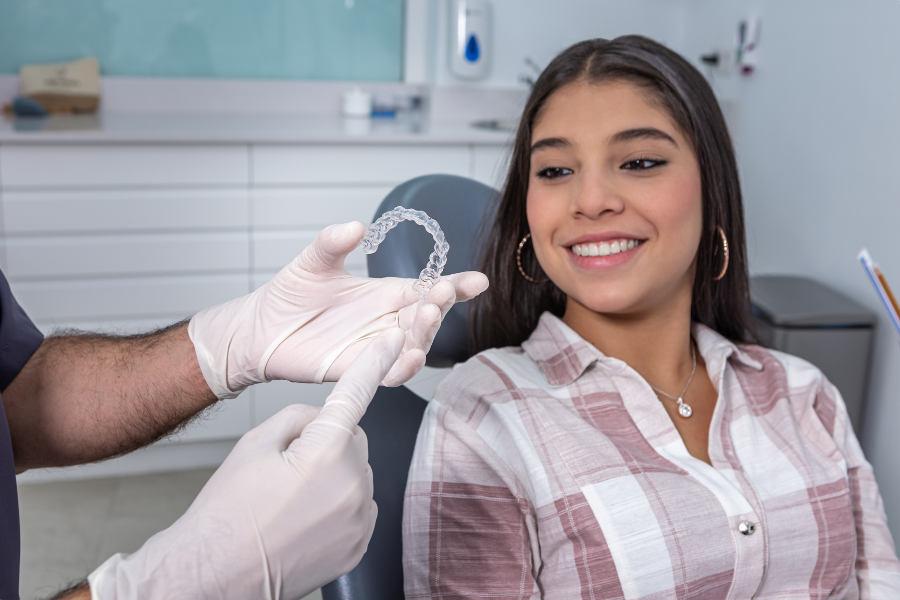
When your orthodontist determines you need refinements, they’ll take new scans or impressions of your teeth. These show exactly where your teeth are now compared to where they should be. The data gets sent to Invisalign, which creates a new set of aligners designed to close those remaining gaps.
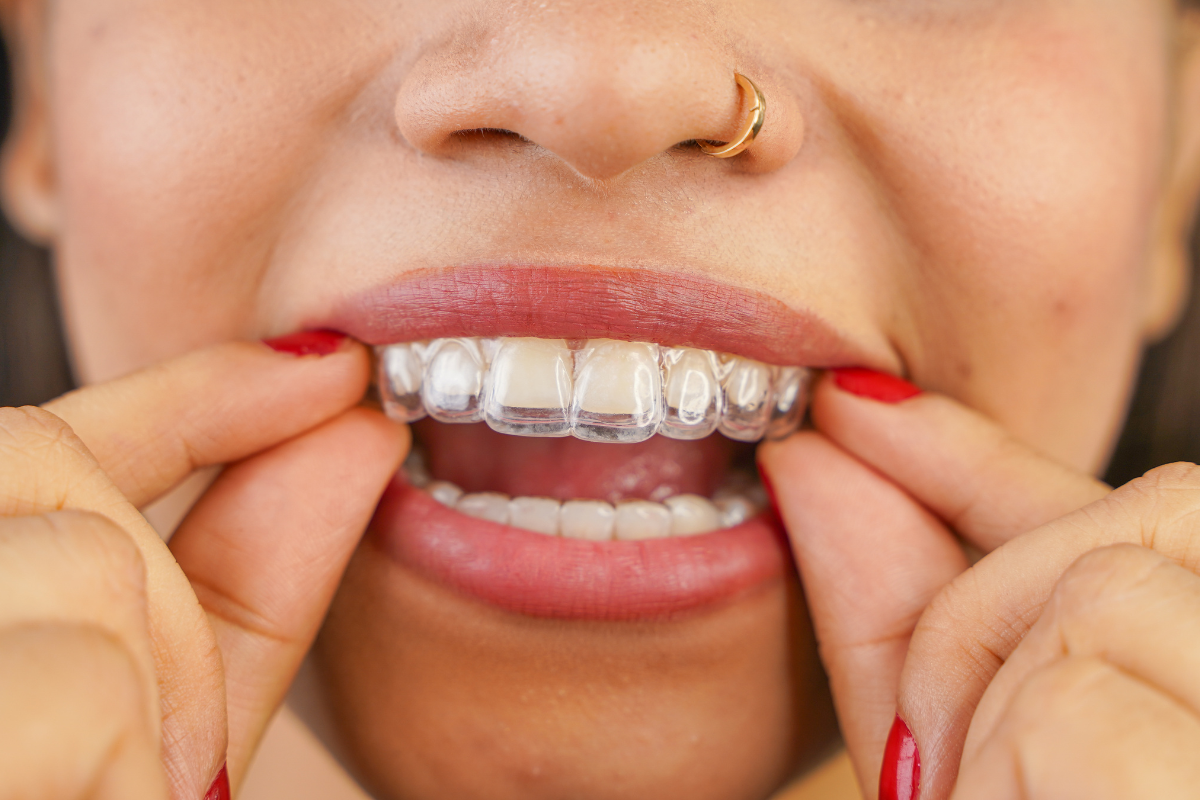
The process usually takes a few weeks from scanning to receiving your new trays. During this time, you’ll likely wear your last set of aligners or a retainer to keep your teeth from shifting. Once your refinement trays arrive, you’ll continue treatment just like before, wearing each set for about one to two weeks.
How Refinements Impact Your Treatment Timeline
Let’s be honest. Nobody wants their treatment to take longer than expected. Refinements typically add anywhere from a few weeks to several months to your original timeline. The Mayo Clinic notes that clear aligner treatments usually take 12 to 18 months, but this can vary based on individual needs.
The good news? Most comprehensive invisalign enid packages include refinements at no extra cost. Your provider should explain this upfront so you know what to expect. Some patients need just one round of refinements, while others might need two or three to achieve their ideal smile.
Making the Most of Your Refinements
You can help your refinement phase go smoothly. Wear your aligners as directed, every single day. Keep up with your dental hygiene because healthy gums and teeth move more predictably. Show up for all your check-up appointments so your orthodontist can monitor your progress closely.
If something feels off or you notice your aligners aren’t fitting properly, don’t wait until your next scheduled visit. Reach out to your provider right away. Small issues are easier to fix than big ones, and catching problems early can actually reduce the need for extensive refinements.
The Difference Between Refinements and Mid-Course Corrections
Some providers offer mid-course corrections during your initial treatment phase. These are minor adjustments made before you complete all your original trays. Refinements, on the other hand, happen after you’ve finished your primary set of aligners. Both serve similar purposes but occur at different points in your treatment journey.
Understanding this distinction helps you ask better questions during your consultation. When exploring options for invisalign in enid, make sure you understand what’s included in your treatment plan and when refinements might come into play.
What This Means for Your Investment
Clear aligner treatment represents a significant investment in your oral health and confidence. Refinements ensure you actually get the results you paid for. Think of it this way: would you rather finish treatment quickly with okay results, or take a bit more time to get the smile you really want?
Most reputable providers stand behind their work and include refinements because they want you to love your final results. According to Invisalign’s own research, patient satisfaction rates are highest when refinements are used to perfect the final outcome.
Finding the Right Provider Near You
Location matters when you’re committing to orthodontic treatment. You’ll have regular appointments throughout your journey, so working with a provider close to home makes life easier. Whether you’re in Enid or surrounding areas like Garber, Covington, or Kremlin, finding a qualified orthodontist who explains refinements clearly should be a priority.
Ask potential providers about their refinement policies during your initial consultation. How many rounds are included? What happens if you need more? How long does the refinement process typically take? These questions help you choose someone who prioritizes your satisfaction.
Frequently Asked Questions
1. How much do refinements cost?
Most comprehensive Invisalign packages include refinements at no additional charge. Always verify this with your provider before starting treatment.
2. How long do refinement trays take to arrive?
Typically two to three weeks after your provider submits new scans or impressions to Invisalign.
3. Will I need refinements for sure?
Not everyone needs them, but they’re common enough that most providers plan for the possibility. About 60-70% of patients use at least one round of refinements.
4. Can I refuse refinements if my teeth look good enough?
Yes, but your orthodontist might recommend them to prevent relapse or address bite issues you can’t see yourself.
5. Do refinements hurt more than the original aligners?
No. The pressure and mild discomfort you might feel are similar to what you experienced with your initial trays.
6. How many refinement trays will I need?
This varies widely. Some patients need just a few trays, while others might need 10 or more depending on how much adjustment is required.
7. Can I speed up the refinement process?
Wearing your aligners consistently for 22 hours daily and following all care instructions gives you the best chance of efficient treatment.
Conclusion
Refinements aren’t something to fear or avoid. They’re a tool that helps you get the best possible outcome from your clear aligner treatment. When you understand why they matter and how they work, you can approach your orthodontic journey with realistic expectations and confidence.
Ready to start your smile transformation? The first step is getting expert guidance. Schedule a consultation with a qualified invisalign in enid specialist who can assess your specific needs and explain how refinements might factor into your personalized treatment plan. Contact a local dental office in your area to learn more about your options and take the first step toward the smile you’ve always wanted.