More adults are choosing to straighten their teeth than ever before. If you’re thinking about getting braces or aligners as an adult, you might wonder how the process differs from what kids go through. The truth is that orthodontists take a completely different approach when treating adult patients, and understanding these differences can help you feel more confident about your decision.
Why Adult Orthodontics Requires Special Attention
Adult teeth and jaws work differently than those of children and teenagers. Your bones have stopped growing, which means orthodontists need to work with what’s already there. Adults also tend to have other dental work done over the years, like crowns, bridges, or fillings. Some people have experienced gum disease or bone loss. All of these factors play a role in how your orthodontist plans your treatment.
When you visit an orthodontist for adult orthodontics in Enid, they’ll look at your complete dental history. They need to understand not just where your teeth are now, but how they got there and what might affect moving them. This detailed approach helps create a treatment plan that works for your specific situation.
The Initial Assessment Process
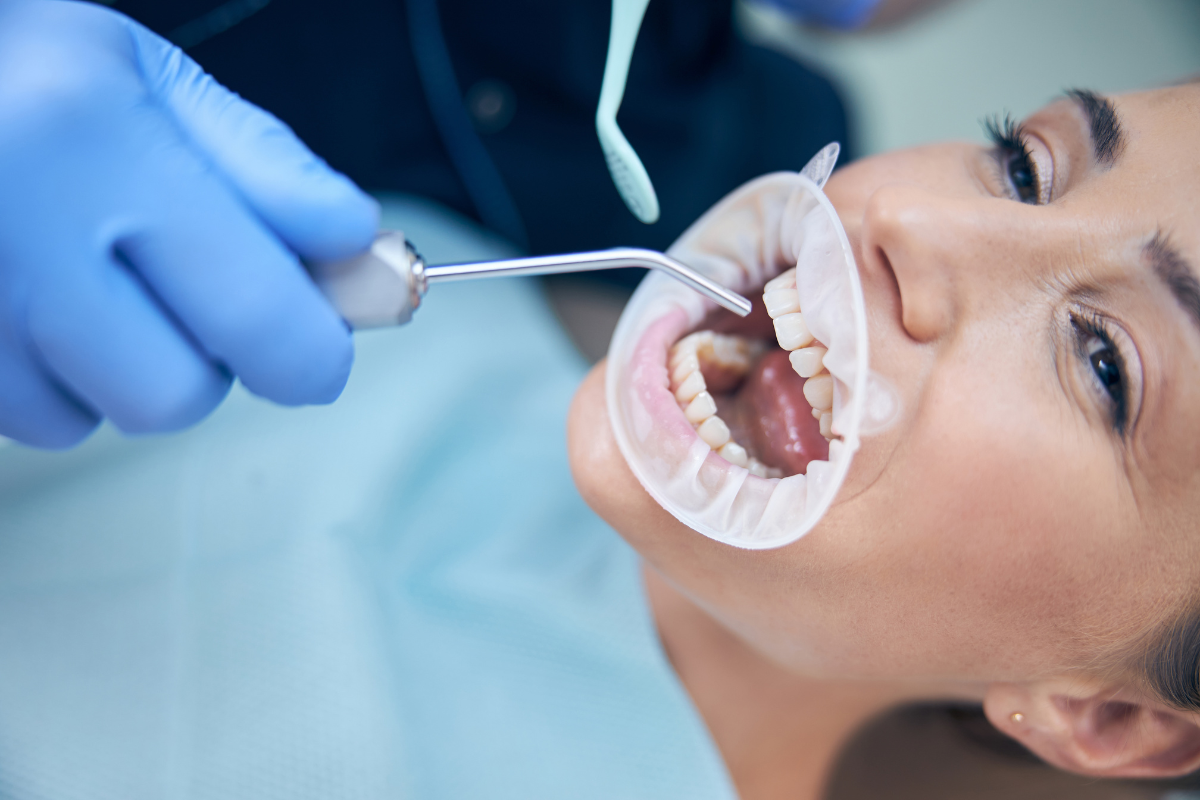
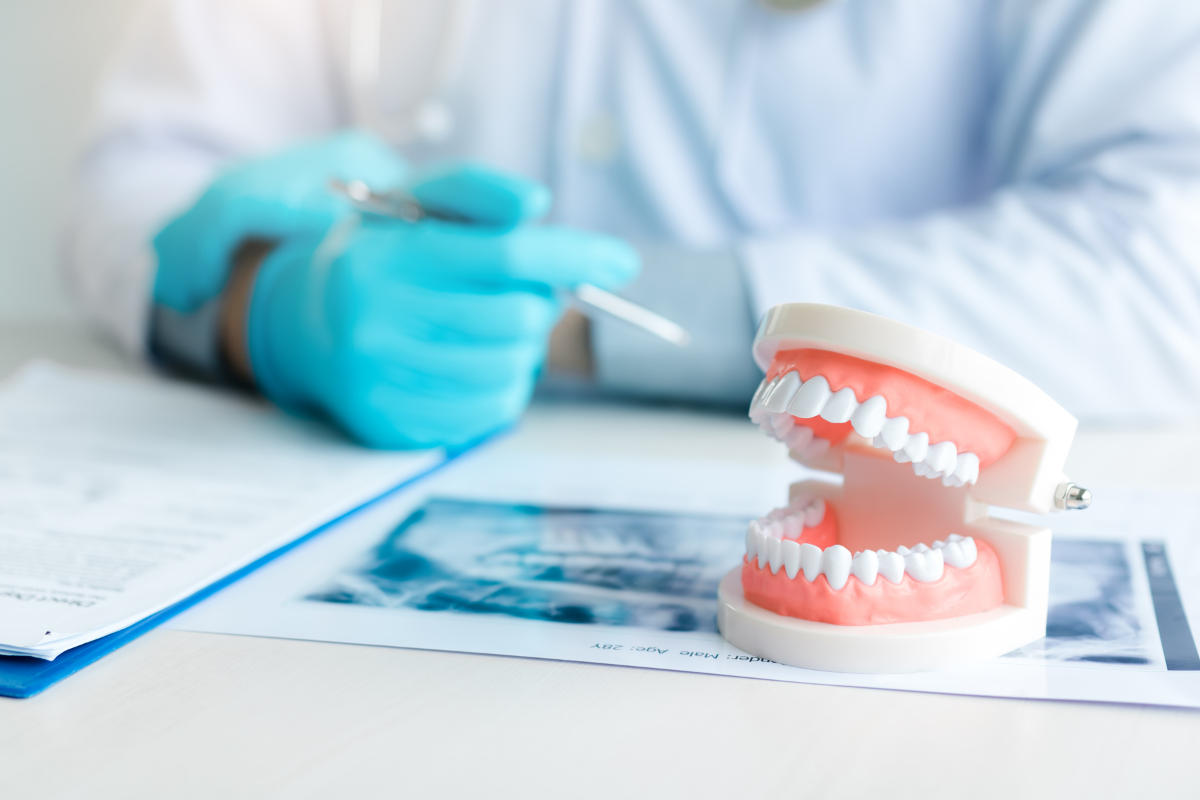
Your first visit involves much more than a quick look at your teeth. According to the American Association of Orthodontists, a thorough evaluation includes digital X-rays, photos of your face and teeth, and often 3D scans of your mouth. These tools help your orthodontist see problems that aren’t visible to the naked eye.
The orthodontist will check your bite, jaw alignment, and the health of your teeth and gums. They’ll ask about any pain you experience, whether you grind your teeth at night, and if you have trouble chewing certain foods. This information helps them understand the full picture of your oral health.
Treatment Options Designed for Adult Lifestyles
Adults have different needs than teenagers when it comes to orthodontic treatment. You might have a job where appearance matters, or you simply don’t want metal brackets showing when you smile. Orthodontists now offer several options that fit adult lifestyles better.
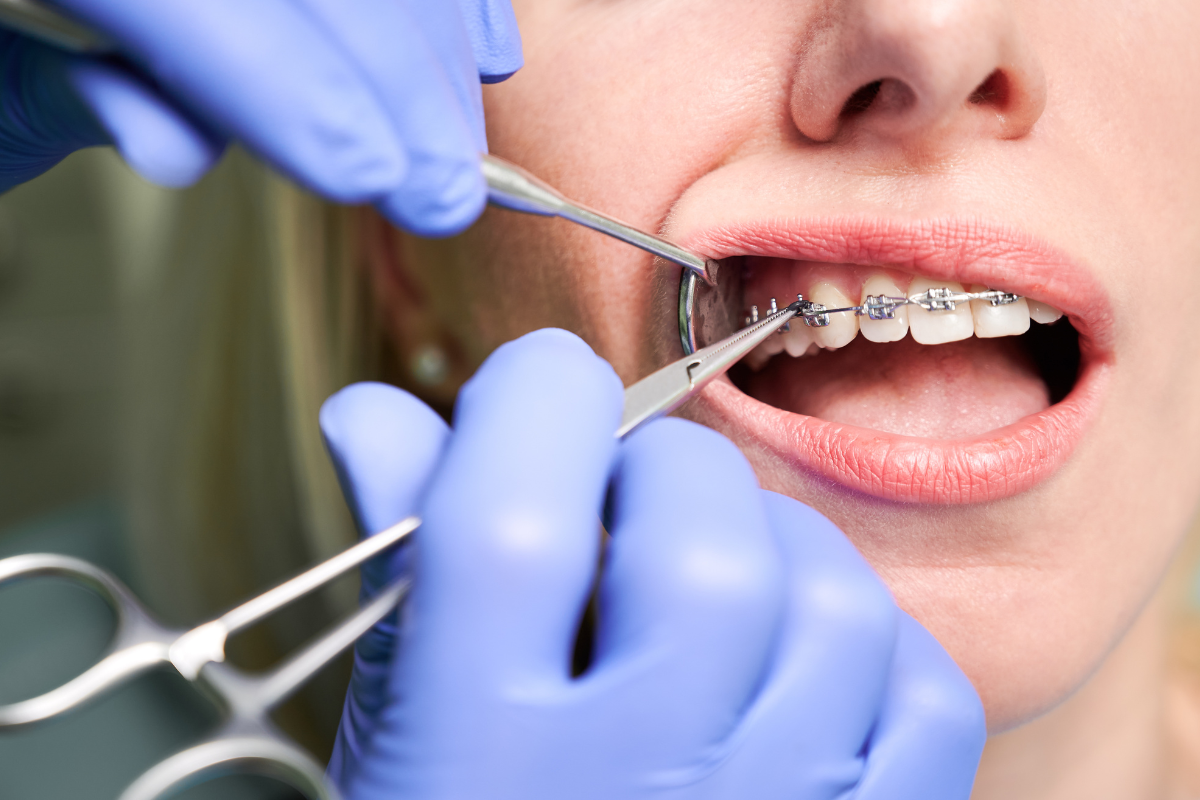
Clear aligners have become popular because they’re nearly invisible and you can remove them for eating and special occasions. Ceramic braces blend with your natural tooth color, making them less noticeable than traditional metal braces. Lingual braces attach to the back of your teeth, hiding them completely from view. Your orthodontist will recommend options based on how complex your case is and what will give you the best results.
Managing Existing Dental Work
If you have crowns, bridges, or implants, your orthodontist needs to work around them carefully. These restorations can’t move like natural teeth, so the treatment plan must account for their fixed positions. Sometimes this means adjusting other teeth to create better alignment overall.
Adults who have had gum disease need special consideration too. The Centers for Disease Control and Prevention reports that nearly half of adults over 30 show some signs of gum disease. Your orthodontist might coordinate with your general dentist or a periodontist to make sure your gums are healthy enough for orthodontic treatment. Moving teeth when gums are weak can cause problems, so treating gum issues first is essential.
Timeline and Expectations
Adult treatment often takes longer than it does for teenagers. Since your bones aren’t growing anymore, teeth move more slowly through the jawbone. Most adults wear braces or aligners for 18 to 36 months, though some cases take less time and others need longer.
The good news is that adults tend to be more committed to following instructions. You’re more likely to wear your aligners for the required 22 hours per day or keep all your adjustment appointments. This reliability often leads to better results and can sometimes shorten treatment time.
Comfort and Pain Management
Let’s be honest about this part. Moving teeth creates some discomfort. Adults sometimes experience more sensitivity because their teeth have been in place longer. Your orthodontist near me can suggest ways to manage this, like over-the-counter pain relievers or orthodontic wax for any irritation.
Regular adjustments keep your treatment on track. These appointments let your orthodontist monitor your progress and make changes if needed. They’ll answer your questions and address any concerns you have along the way.
The Role of Retention
Wearing a retainer after your braces come off isn’t optional. Adults face a higher risk of teeth shifting back because the bone and tissues around your teeth are fully developed. Your orthodontist will create a custom retainer and give you clear instructions on how often to wear it. Following these guidelines protects your investment and keeps your smile straight for years to come.
Frequently Asked Questions
1. How much does adult orthodontic treatment typically cost?
Treatment costs vary widely based on your specific needs, ranging from $3,000 to $8,000. Many orthodontists offer payment plans, and some dental insurance plans cover a portion of orthodontic treatment for adults.
2. Can I get orthodontic treatment if I have missing teeth?
Yes, but your orthodontist will need to plan around the gaps. Sometimes missing teeth create space that helps with alignment. Other times, you might need implants or bridges after orthodontic treatment.
3. Will orthodontic treatment damage my tooth enamel?
When done correctly by a trained orthodontist, treatment doesn’t harm your enamel. Good oral hygiene during treatment is important to prevent cavities and white spots.
4. How often will I need appointments?
Most patients visit their orthodontist every 6 to 8 weeks for adjustments. These appointments usually take 15 to 30 minutes.
5. Can I still play sports or musical instruments?
Yes, though you might need an adjustment period. Athletes should wear a mouthguard, and musicians may need time to adapt their technique.
6. What happens if I lose or break my aligners?
Contact your orthodontist right away. They can often provide a replacement quickly, though there may be an additional cost.
7. Are there any foods I need to avoid?
With traditional braces, you’ll need to skip hard, sticky, or chewy foods that could damage brackets. Clear aligner users can eat anything since they remove the aligners before meals.
Making Your Decision
Getting orthodontic treatment as an adult is a personal choice that affects your health, appearance, and confidence. The customized approach orthodontists use for adult patients takes into account your unique dental situation, lifestyle, and goals. Whether you’re interested in adult orthodontics in Enid or searching for an orthodontist near me, the first step is getting a professional evaluation. Schedule a consultation with a qualified orthodontist to discuss your options, and contact a local dental office to begin your path toward the smile you’ve always wanted.