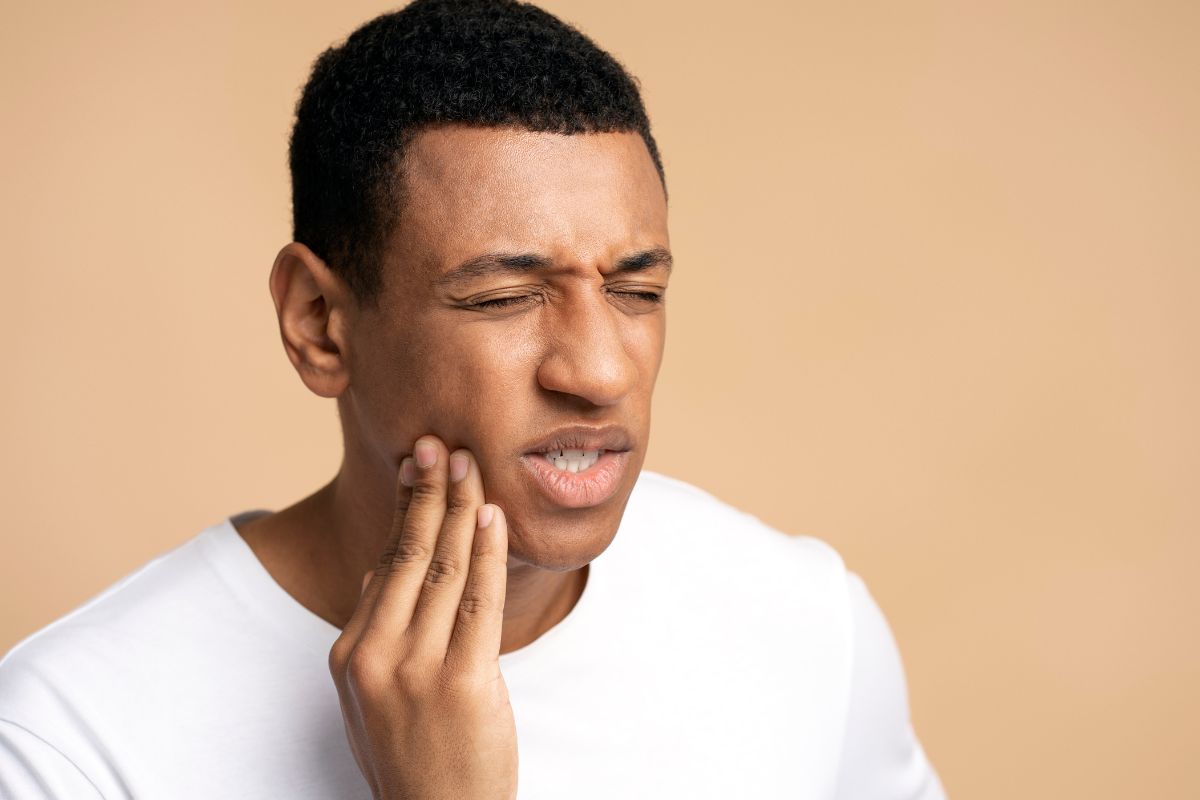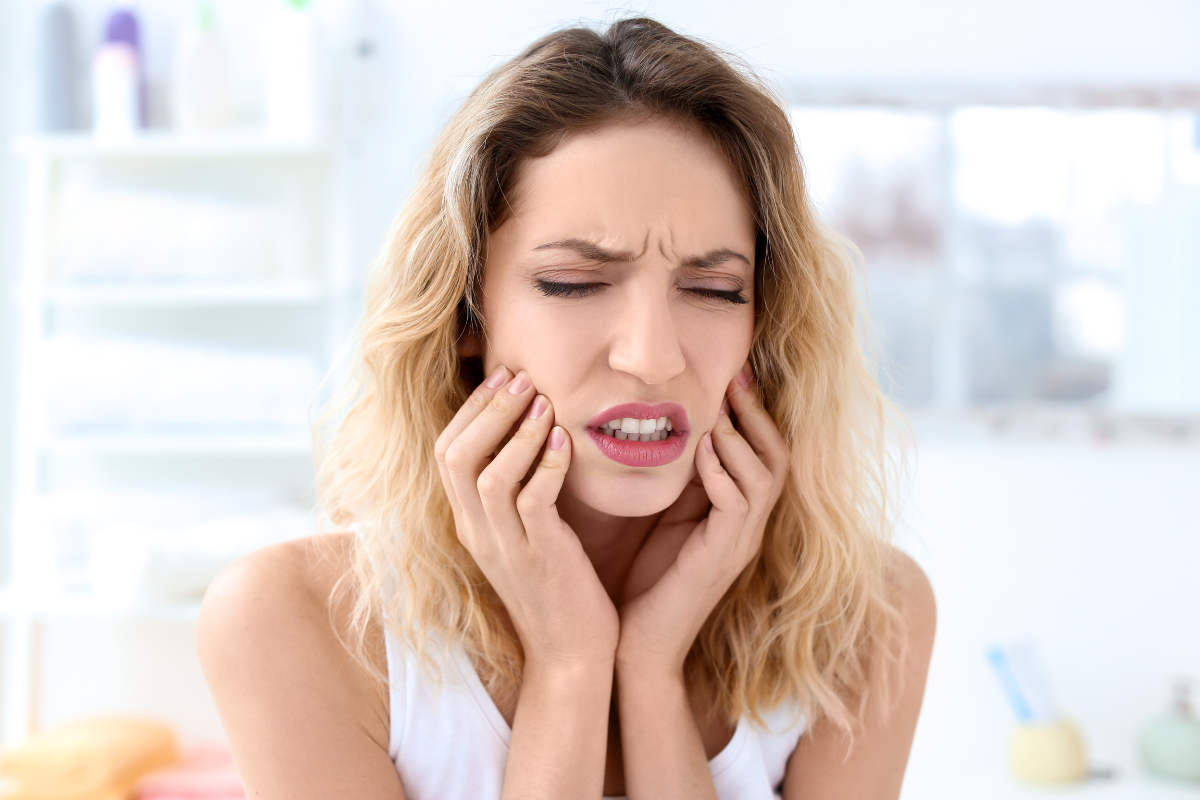
If you’ve been dealing with jaw pain, clicking sounds when you eat, or headaches that never seem to go away, you’re not alone. TMJ disorder (temporomandibular joint disorder) affects millions of Americans, and women are diagnosed with it far more often than men. In fact, studies show that women make up roughly 80% of TMJ patients who seek care.
At Schuessler Orthodontics, we see patients in Stillwater, Enid, and Ponca City, Oklahoma who come in with a wide range of jaw-related concerns. Many of them are women who have been struggling for months, sometimes years, before getting the help they need. If you are looking into tmj treatment in stillwater or nearby areas, understanding why women are more vulnerable is the first step toward lasting relief.
What Exactly Is TMJ Disorder?
The temporomandibular joint connects your jawbone to your skull. Think of it like a hinge that also allows your jaw to slide forward and side to side. When something goes wrong with this joint or the muscles around it, it causes TMJ disorder.
Common signs include:
• Jaw pain or tenderness
• A clicking or popping sound when you open or close your mouth
• Difficulty chewing or biting
• A feeling that your jaw is locked or stuck
• Headaches, especially in the morning
• Ear pain or ringing in the ears
• Neck or shoulder tension
These symptoms can range from mildly annoying to completely disabling. For many women, the pain affects their daily life in a real way.
Why Are Women More Affected Than Men?
This is one of the most common questions patients ask when they come in. The answer involves several factors working together.
Hormones Play a Big Role
Research points to estrogen as a key factor. The TMJ has estrogen receptors, which means hormonal changes can directly affect how the joint works. Women experience major hormonal shifts throughout their lives, including during puberty, pregnancy, and menopause. These shifts can make the joint more sensitive and prone to inflammation.
Some women notice that their TMJ symptoms get worse around their menstrual cycle. Others find that pregnancy or menopause triggers new jaw pain they’ve never had before. This connection to hormones helps explain why TMJ disorder is so much more common in women of childbearing age.
Joint Structure and Anatomy
Women tend to have a different joint structure compared to men. The disc inside the TMJ is smaller and more loosely connected in women, which makes it more likely to shift out of place. The surrounding ligaments are also more flexible due to hormonal influences, which can reduce the joint’s overall stability.
Stress, Anxiety, and Jaw Tension
Women are more frequently diagnosed with anxiety and stress-related conditions. Stress causes clenching and grinding of the teeth, known as bruxism. This constant strain on the jaw muscles and joint is one of the leading causes of TMJ disorder. Many patients who come in for tmj treatment stillwater area have no idea they grind their teeth at night until a dentist or orthodontist points it out.
Women Seek Help More Often
It is also worth noting that women are more likely to visit a healthcare provider when they have pain. This means the data may partly reflect that men with TMJ disorder go undiagnosed. Still, the biological and hormonal factors above are well-supported by research.
What We See at Our Oklahoma Locations
At our Stillwater office, patients frequently come in with serious TMJ concerns. It is one of the most talked-about dental health issues we hear at all three of our Oklahoma locations. Women in particular often describe waiting months before seeking care, hoping the pain would go away on its own.
Many patients tell us they were first told their pain was tension headaches or even sinus issues. After trying other treatments without success, they finally came in to explore tmj treatment in stillwater and nearby communities. Getting a proper evaluation made all the difference for them.
We also see patients who work long hours at desks or who carry significant daily stress. These lifestyle patterns, combined with the biological factors mentioned above, create the perfect conditions for TMJ disorder to develop.
Meet Our Doctor
Schuessler Orthodontics is led by Dr. Scott Schuessler. He began his orthodontics practice in Stillwater in 2005. He specialize in orthodontics with a focus on bite alignment and jaw function. They evaluate each patient individually, identify what is driving the problem, and build a care plan around that. If TMJ disorder is connected to how your bite fits together, they will find it and walk you through the options.
He works across our Stillwater, Enid, and Ponca City locations, making it convenient for patients across the area to access quality care close to home.
TMJ Treatment Options Worth Knowing About
There is no single fix for TMJ disorder. Treatment depends on the cause and how serious the symptoms are. Here are some of the most effective approaches:
• Oral splints or night guards: Custom-fitted devices that protect the teeth and reduce pressure on the joint during sleep.
• Orthodontic correction: If a misaligned bite is contributing to jaw strain, correcting it can bring long-term relief.
• Physical therapy: Stretching and strengthening exercises for the jaw muscles.
• Lifestyle changes: Managing stress, reducing hard or chewy foods, and improving posture can all reduce symptoms.
• Medication: Anti-inflammatories or muscle relaxants can help in the short term.
• Injections or surgery: Reserved for severe cases that do not respond to other treatments.
The good news is that most people see improvement with non-surgical options. Starting with a proper evaluation is always the right first move.
Simple Self-Care Tips for Jaw Pain
While professional care is important, a few everyday habits can help reduce flare-ups:
• Avoid chewing gum or eating very hard foods
• Apply warm compresses to your jaw for 10 to 20 minutes
• Try to keep your teeth slightly apart when your mouth is at rest
• Practice relaxation techniques to reduce stress-related clenching
• Sleep on your back rather than your side to reduce pressure on the jaw
Frequently Asked Questions
1. Can TMJ disorder go away on its own?
Mild cases sometimes improve with rest and self-care. However, if your symptoms last more than a few weeks or are getting worse, it is best to get a professional evaluation. Leaving it untreated can lead to joint damage over time.
2. Is TMJ disorder a permanent condition?
Not necessarily. Many patients see significant improvement with the right treatment plan. Some cases require ongoing management, while others resolve completely.
3. How does hormonal change affect TMJ disorder during pregnancy?
During pregnancy, rising hormone levels can increase joint laxity throughout the body, including the jaw joint. This can make the TMJ more vulnerable to strain. Symptoms sometimes ease after delivery as hormone levels stabilize.
4. Can poor posture cause or worsen TMJ disorder?
Yes. Forward head posture, which is common among people who spend long hours at a desk or on their phone, puts extra pressure on the neck and jaw muscles. This can contribute to TMJ pain over time.
5. Is a night guard the only treatment option?
No. Night guards are helpful for many patients, but treatment depends on the underlying cause. Some patients need bite correction through orthodontics, physical therapy, or a combination of approaches.
6. At what age does TMJ disorder most often appear in women?
TMJ disorder most commonly shows up in women between the ages of 20 and 40, which aligns with peak reproductive years when estrogen levels are highest and most variable.
7. Can orthodontic treatment help with TMJ disorder?
In cases where a misaligned bite is contributing to jaw strain, orthodontic treatment can be a meaningful part of the solution. An evaluation will help determine whether bite correction plays a role in your specific situation.
8. How long does TMJ treatment typically take?
It varies by individual. Some patients notice improvement within a few weeks of starting treatment. Others with more complex cases may need several months. Your care team will give you a realistic timeline based on your diagnosis.
Conclusion
Living with jaw pain is not something you have to accept. Whether your symptoms are mild or have been building for years, getting a proper evaluation is the smartest first move you can make. Women dealing with TMJ disorder deserve care that takes their unique biology and health history into account.
Schuessler Orthodontics offers personalized care across our Stillwater, Enid, and Ponca City locations. Our team, led by Dr. Scott Schuessler, works closely with each patient to find a treatment approach that actually fits their needs. If you are exploring tmj treatment in stillwater options and want to talk with someone who will listen, we are here.
Schedule a consultation with Schuessler Orthodontics today and let us help you understand what is going on with your jaw and what can be done about it. You can also contact our Schuessler Orthodontics Enid office directly to ask questions, check availability, or learn more about what to expect at your first visit. Relief is possible, and it starts with one conversation.