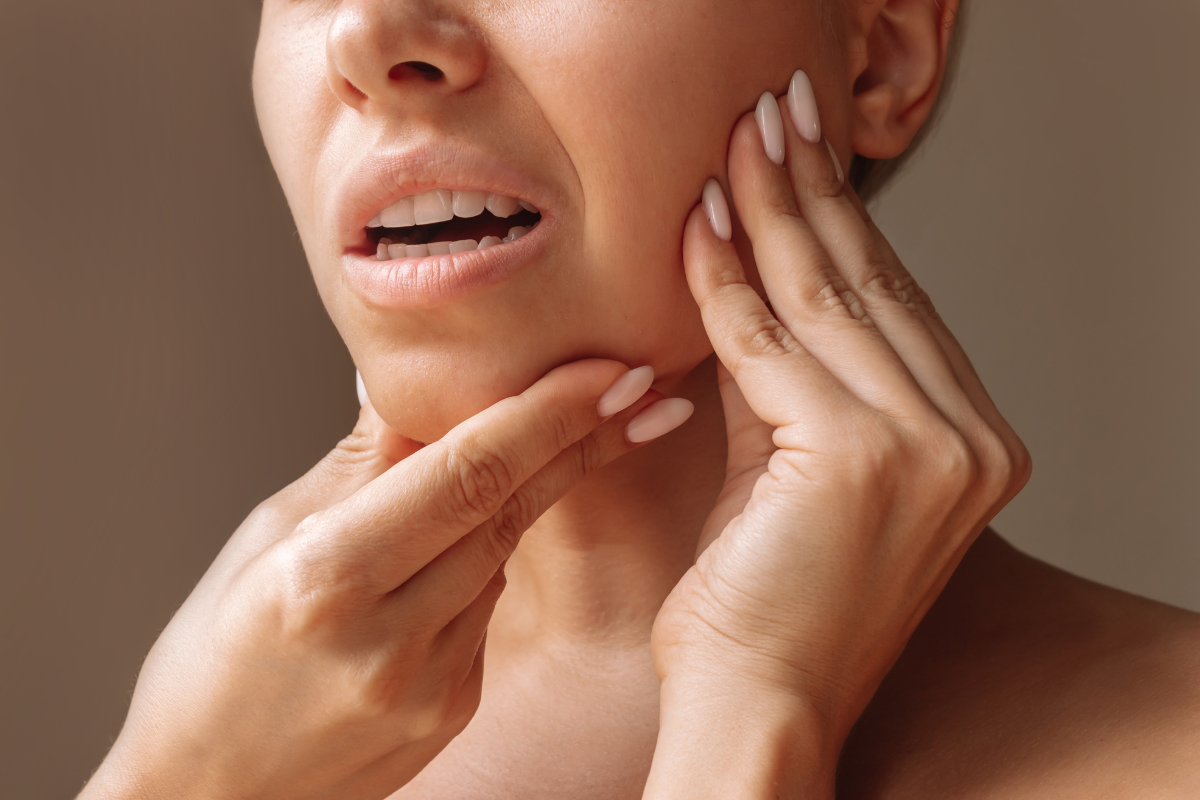
Picture a quiet breakfast. You bite into toast and your jaw clicks, then aches. By noon a dull pain sits near your ear. By night your temples throb.
Many people in Oklahoma live with this pain and wait it out. Some cases fade on their own. When the pain keeps coming back, a jaw joint problem may be behind it, and tmj treatment in ponca city can begin with one simple exam that finds the cause. This guide covers the signs, the causes, and the steps that help.
What Is the TMJ and Why Does It Hurt?
The temporomandibular joint (TMJ) connects your lower jaw to your skull. You have one on each side, just in front of your ears. These joints let you chew, talk, yawn, and swallow.
When a joint or the muscles around it get strained, the problem is called a temporomandibular disorder (TMD). Many people still say “TMJ” for the whole condition, so you will see both terms.
Quick answer: TMD causes pain in the jaw joint or the chewing muscles. It often shows up as jaw tension, facial pain, clicking, and headaches. Mild cases often improve with simple care, and a dental exam helps find the cause.
Quick Self-Check: Does This Sound Like You?
Count how many of these fit you:
- ☐ My jaw clicks or pops when I chew
- ☐ My face or jaw feels sore when I wake up
- ☐ I get headaches near my temples
- ☐ My jaw feels stiff or tired after a meal
- ☐ I clench my teeth when I drive, work, or focus
- ☐ It hurts to yawn or open wide
- ☐ My teeth look worn or flat
1 to 2 checks: Try the home steps below and watch for changes.
3 or more checks: Book an exam. Pain that keeps returning is worth a closer look.
Jaw locks at any time: Get checked soon.
Where Jaw Pain Shows Up in Daily Life
TMD rarely stays in one place. It follows you through the day.
- Eating: Tough foods, crunchy snacks, and big sandwiches become a chore.
- Talking: Long phone calls or meetings leave your face tired.
- Sleeping: Night grinding leads to sore mornings and poor rest.
- Work and school: Screen time, deadlines, and exams make you clench without noticing.
- Driving: Stress behind the wheel tightens the jaw, especially in heavy traffic.
What Causes Jaw Tension and Facial Pain
Doctors often cannot point to one single cause. These are the common ones:
- Teeth grinding or clenching: This overworks the joint and the muscles.
- Ongoing stress: Stress makes people tighten their jaw without knowing it.
- An uneven bite: Teeth that do not meet evenly can make some muscles work harder.
- Injury: A blow to the face or jaw can harm the joint.
- Arthritis: Joint wear can cause pain and stiffness.
- Poor posture: A forward head position strains the neck and face.
- Loose joints: Some people have very flexible joints, which can add to the strain.
Experts still debate how much a bite problem alone causes TMD. That is why a good exam looks at habits, stress, and sleep as well as teeth. Guidance from the National Institute of Dental and Craniofacial Research (NIDCR) and the American Dental Association points to gentle, reversible care first.
Simple Steps to Try at Home
These steps are safe for most people and cost little:
- Eat soft foods for a week. Think eggs, soup, yogurt, and pasta.
- Skip gum, ice chewing, and nail biting.
- Use a warm, damp cloth on the sore side for 10 minutes.
- Practice the “rest position.” Lips together, teeth apart, tongue resting on the roof of your mouth.
- Raise your screen to eye level to ease neck and jaw strain.
- Keep a short log. Note when pain peaks, what you ate, and how you slept.
Over-the-counter pain relievers help some people for a short time. Follow the label and ask your doctor if you take other medicines.
Treatment Options at a Glance
No single fix works for everyone. This chart shows how common options compare.
| Option | What It Does | Best For | Keep in Mind |
| Home care | Eases strain on the joint | New or mild pain | Slow if grinding or bite is the cause |
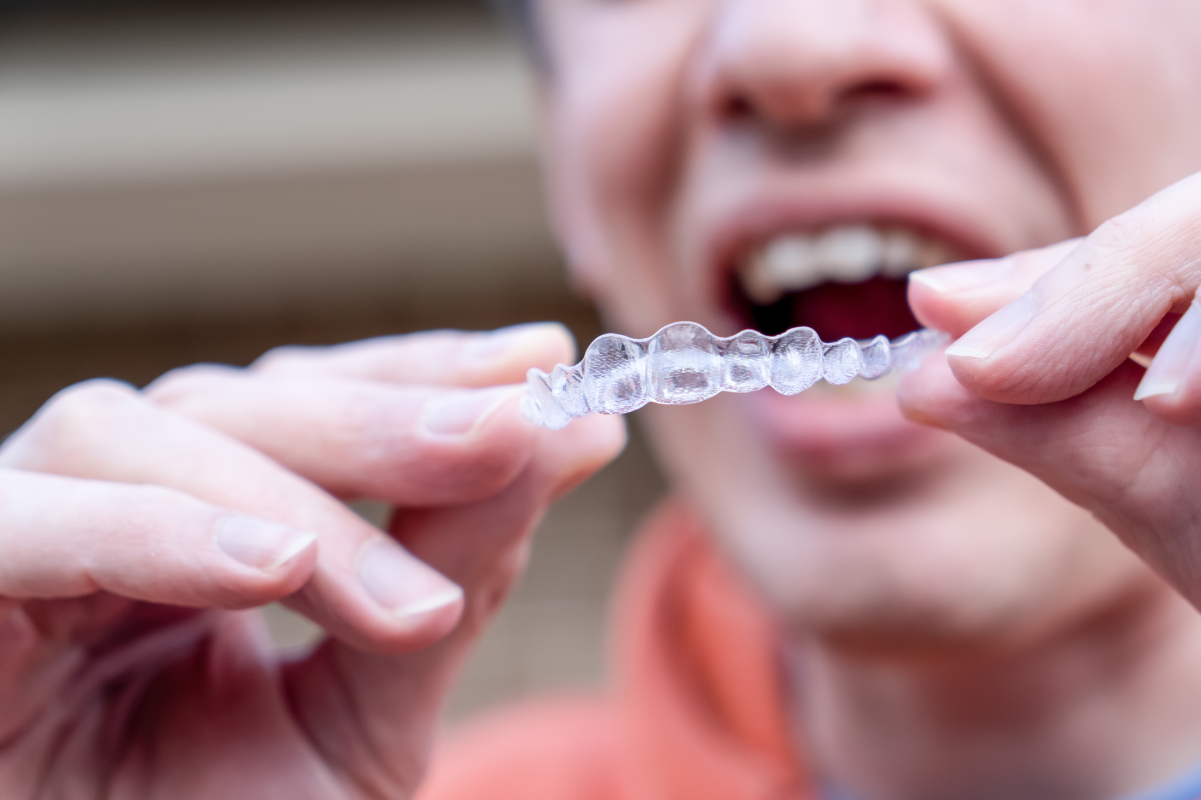
| Night guard or splint | Cushions teeth and relaxes the jaw at night | Grinding, sore mornings | Needs a custom fit and nightly use |
| Jaw exercises or physical therapy | Loosens and strengthens muscles | Stiffness, limited opening | Takes several weeks of effort |
| Medication | Calms pain or muscle tightness | Flare-ups | Does not fix the cause |
| Bite-focused orthodontic care | Improves how teeth and jaws fit | Crowding, crossbite, uneven bite | Plan depends on a full exam |
| Injections or surgery | Targets trigger points or joint damage | Cases that fail other steps | Rare, so weigh the risks carefully |
How an Orthodontist Fits In
Your teeth and jaws work as one system. If your bite is uneven, some muscles work harder than others, and that adds strain. An orthodontist studies how teeth, jaws, and bite fit together, so the exam looks beyond the sore spot.
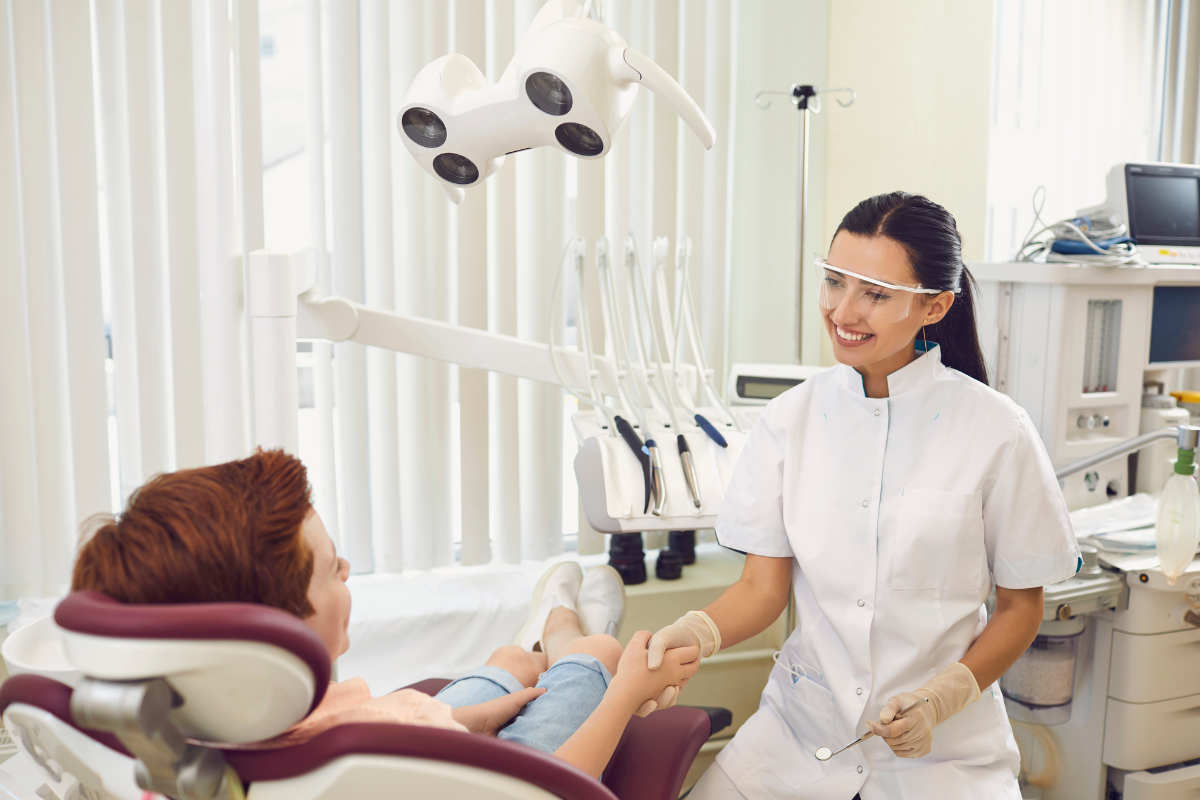
At Schuessler Orthodontics, a jaw visit starts with questions about your pain and habits. The team checks how your jaw moves, listens for clicking, and looks at your bite and tooth wear. A plan for TMJ treatment in Ponca City may include a night guard or jaw relaxation steps. If your case needs another provider, we say so and help you find one.
Not every case calls for orthodontics. If the cause is arthritis, an injury, or a sleep problem, you may need a physician or physical therapist. We tell you that up front.
When to Get Checked
See a dental or medical provider if you notice any of these:
- Pain that lasts more than two weeks
- A jaw that locks open or closed
- Trouble opening wide enough to eat
- Swelling near the joint
- Ear ringing or dizziness along with jaw pain
- A bite that suddenly feels different
Go to urgent care or an emergency room if pain follows a hit to the face, or if you cannot close your mouth.
Care Close to Home: Ponca City, Stillwater, and Enid
Our Ponca City office is at 2412 N 14th St, near Princeton Avenue. Hours are Monday to Thursday, 8 a.m. to 5 p.m., with a lunch closing from 12 to 1. On Fridays we are open 8 a.m. to noon.
Families often ask for one team that handles braces, clear aligners, and jaw concerns. That is why many people searching for an orthodontist in Ponca City choose to start with a jaw exam too. Patients in Stillwater and Enid have an office close by as well, so you can pick the location that fits your commute.
Jaw pain gets in the way of work, school, and sleep. A nearby office makes it easier to act early. If you have been putting off TMJ treatment in Ponca City, a first visit is an exam and a conversation, followed by a clear plan. Coverage for jaw care varies by plan, so we review benefits and costs with you before you decide.
Frequently Asked Questions
1. What are the first signs of TMD?
Jaw soreness, clicking, or stiffness after chewing are common early signs. Headaches near the temples and an aching face on waking can follow.
2. Can jaw pain go away on its own?
Mild cases often settle within a few weeks with rest, soft foods, and less clenching. Pain that keeps returning should be checked.
3. Does stress cause jaw pain?
Stress does not damage the joint directly, but it makes many people clench or grind. That extra pressure strains the muscles and the joint.
4. Is jaw clicking always a problem?
No. Painless clicking is common. See a provider if clicking comes with pain, locking, or trouble opening your mouth.
5. Can a night guard help?
Many people who grind at night find relief from a custom night guard. Store-bought guards often fit poorly, so a fitted one is usually the better choice.
6. Do braces or aligners cause or fix TMD?
Research does not show that braces cause TMD. Correcting an uneven bite may ease strain for some people, but it is not a cure for every case.
7. Can TMD cause headaches or ear pain?
Yes. The joint sits right next to the ear, so pain can spread to the ear and temples. Your provider will rule out other causes too.
8. What happens at a first visit?
You answer questions about your pain and habits. The doctor checks jaw movement, bite, and tooth wear, and may take images. You then get a plan and a clear cost estimate.
Take the Next Step Toward a Relaxed Jaw
Jaw tension and facial pain should not run your day. Simple habits ease many mild cases, and a proper exam finds the cause when they do not. If your pain has lasted more than two weeks, TMJ treatment in Ponca City is a short visit away at our office. Catching a problem early usually keeps the plan simpler.
Ready to find out what is behind your pain? A visit with an orthodontist in ponca city who checks your bite, habits, and goals gives you a clear plan instead of guesswork. We explain every option, including what you may not need, before you decide anything.
Schedule a consultation at Schuessler Orthodontics and choose the Ponca City office that fits your week.