Straightening your teeth no longer means spending years with a mouthful of metal braces. Thanks to modern advancements in orthodontics, there’s now a discreet and comfortable option for achieving the smile you’ve always dreamed of: Invisalign. This revolutionary treatment has gained popularity among both teens and adults, offering an alternative to traditional braces that is virtually invisible and incredibly effective. But is Invisalign right for you? Let’s dive into the details and explore whether this orthodontic solution could be your ideal choice. Say goodbye to self-consciousness and hello to confidence – it’s time to unlock your perfect smile!
What is Invisalign?
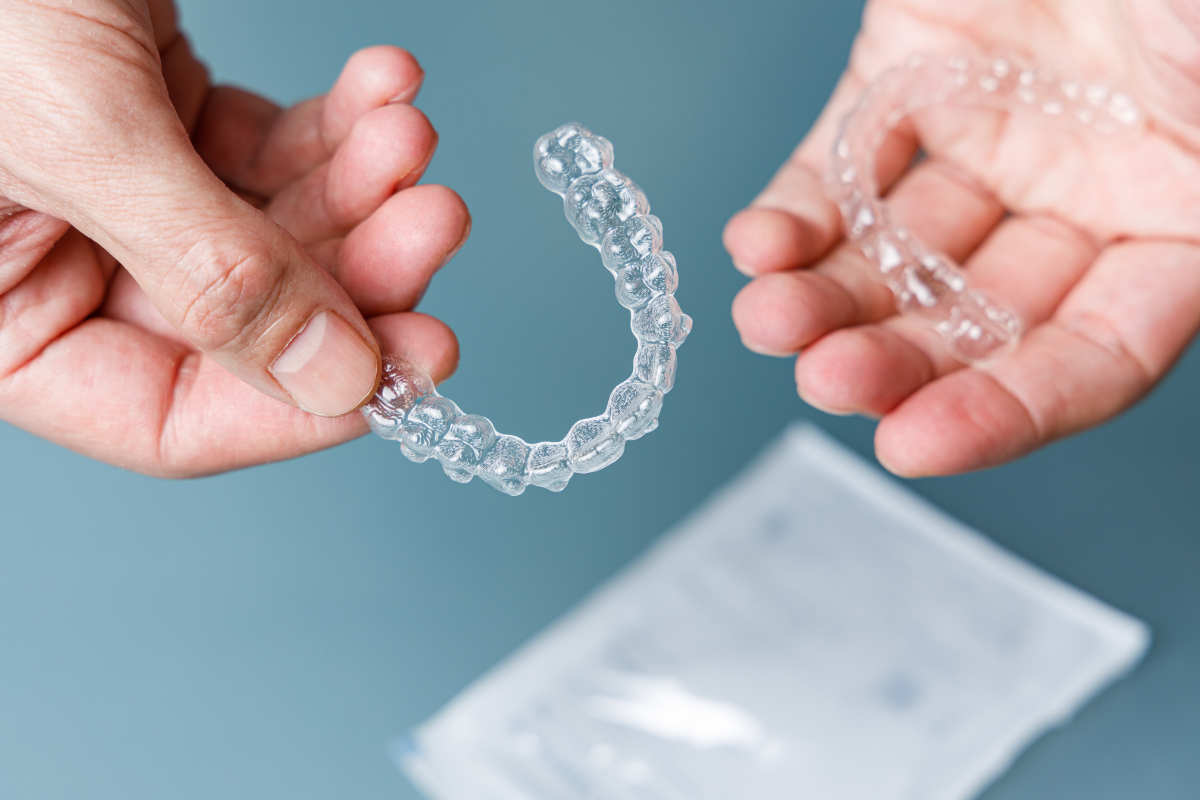
What is Invisalign? It’s a modern orthodontic treatment that uses clear aligners to straighten teeth. Unlike traditional braces that rely on metal brackets and wires, Invisalign offers a discreet and comfortable alternative. The aligners are custom-made using advanced 3D imaging technology to fit your mouth perfectly.
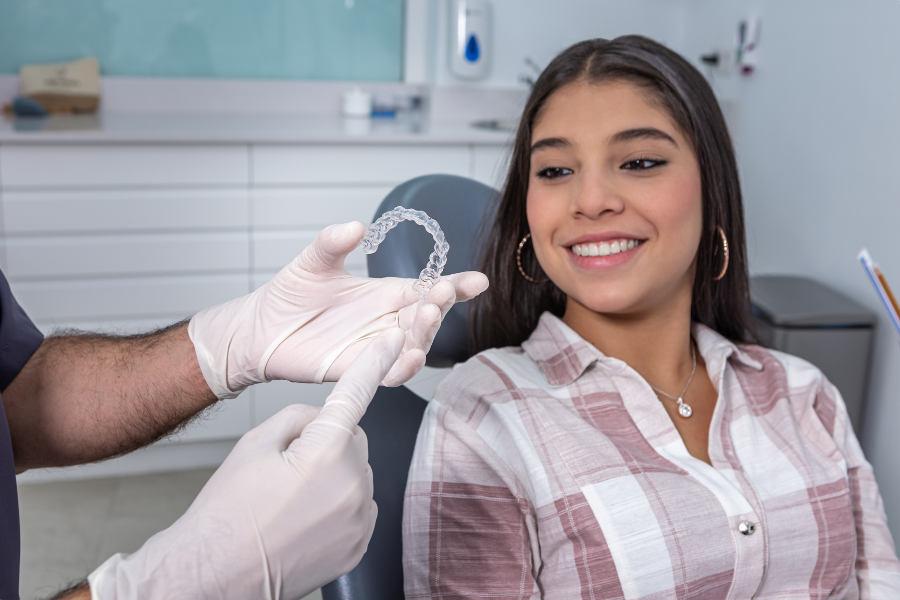
How does it work? Well, the process begins with a consultation with an experienced orthodontist who will assess your teeth and determine if you’re a good candidate for Invisalign. If so, they’ll create a personalized treatment plan just for you.
Once your aligners are ready, you’ll wear them for about 20-22 hours per day, removing them only when eating or drinking (water is fine!). Every few weeks, you’ll switch to a new set of aligners as your teeth gradually shift into their desired positions.
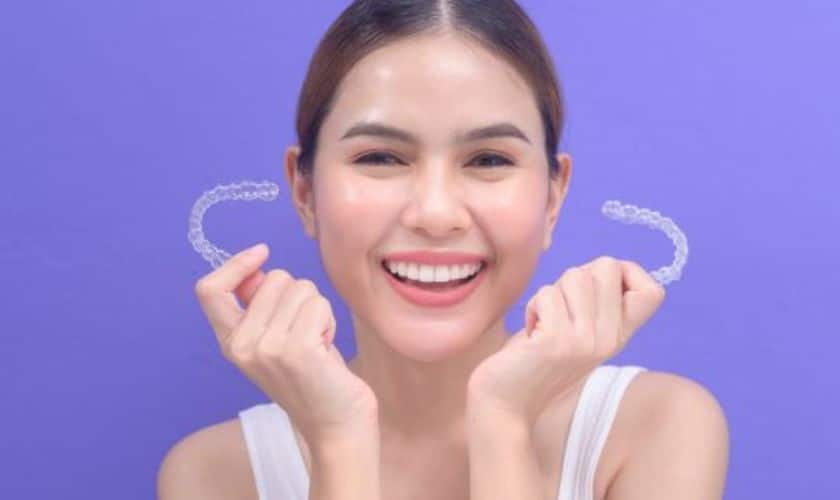
One of the biggest advantages of Invisalign is its virtually invisible appearance. Most people won’t even notice you’re wearing them! Plus, since they’re removable, maintaining proper oral hygiene becomes much easier compared to braces.
In addition to being discreet and convenient, Invisalign also boasts greater comfort than traditional braces. The smooth plastic material reduces irritation and eliminates the need for periodic adjustments at the orthodontist’s office.
Invisalign offers an innovative solution for achieving straighter teeth without sacrificing aesthetics or convenience. Now that we’ve explored what it is and how it works let’s compare it to traditional braces in our next section!
How Invisalign Works?
One of the most popular options for orthodontic treatment is Invisalign. But how does it actually work? Let’s take a closer look at the process.
Invisalign uses a series of clear, custom-made aligners that are worn over your teeth to gradually shift them into their desired positions. These aligners are made from a smooth and comfortable plastic material that won’t irritate your mouth like traditional braces might.
The first step in getting Invisalign is to visit an orthodontist who will create a digital 3D image of your teeth. This image will be used to design a personalized treatment plan, showing you exactly how your teeth will move during each stage of the process.
Once your aligners are ready, you’ll wear each set for about two weeks before moving on to the next set in the series. Each new set of aligners will apply gentle pressure on specific areas of your teeth, gradually guiding them into alignment.
Throughout the treatment period, you’ll need regular check-ups with your orthodontist to ensure everything is progressing as planned. Depending on individual cases, Invisalign can take anywhere from several months to over a year to complete.
One key advantage of Invisalign is its removability. Unlike traditional braces which are fixed onto your teeth until they’re removed by an orthodontist, Invisalign allows you to easily remove them when eating or brushing your teeth. However, it’s important not to neglect wearing them as instructed by your dentist since consistent use leads to optimal results.
In addition, because Invisalign aligners are practically invisible when worn correctly, they offer a more discreet option compared to metal braces. This makes them particularly appealing for individuals who may feel self-conscious about having visible braces.
While every case is unique and should be assessed by an experienced professional prior making any decisions about orthodontic treatments such as Invisalign versus traditional braces or other alternatives, it’s important to understand how Invisalign works and its potential benefits.
Invisalign vs Traditional Braces
When it comes to correcting misaligned teeth and achieving a confident smile, you have options. Two popular orthodontic solutions are Invisalign and traditional braces. Let’s explore the differences between these two methods.
Invisalign is a revolutionary system that uses clear aligners to gradually straighten your teeth. These custom-made aligners are virtually invisible, making them a discrete choice for those who are conscious about their appearance. Unlike traditional braces, Invisalign aligners can be easily removed when eating or brushing your teeth.
On the other hand, traditional braces consist of metal brackets and wires that are fixed onto your teeth. While they may not be as aesthetically pleasing as Invisalign, they can effectively address more complex dental issues such as severe crowding or bite problems.
One advantage of Invisalign is its comfortability compared to traditional braces. The smooth plastic aligners cause less irritation on the gums and cheeks than metal components do with braces.
However, it’s worth noting that traditional braces might be more suitable for patients with specific dental conditions since they offer more control over tooth movement.
The right choice depends on various factors including your specific dental needs, personal preferences, lifestyle considerations, and budget constraints. Consulting with an experienced orthodontist will help you determine which option is best suited for you.
Remember that both Invisalign and traditional braces have been proven effective in achieving beautiful smiles – it’s just a matter of finding what suits you best!
The Pros and Cons of Invisalign
When it comes to orthodontic treatment, Invisalign has gained popularity as a discreet and convenient option. Like any other dental procedure, Invisalign also comes with its own set of pros and cons that you should consider before making a decision.
One of the main advantages of Invisalign is its nearly invisible appearance. Unlike traditional metal braces, which are easily noticeable, Invisalign aligners are made from clear plastic material that blends in with your teeth. This makes them an ideal choice for those who want to straighten their teeth without drawing attention to their smile.
Another benefit of Invisalign is the convenience it offers. The aligners can be easily removed when eating or brushing your teeth, allowing for better oral hygiene compared to traditional braces. They also tend to be more comfortable since they don’t have any brackets or wires that can cause irritation.
On the flip side, one potential downside of Invisalign is the discipline required. The success of this treatment relies on wearing the aligners for at least 22 hours a day. If you’re someone who tends to forget or neglect instructions, traditional braces may be a better option as they stay fixed in place.
In some cases, complex orthodontic issues may not be suitable for Invisalign treatment alone. Traditional braces might provide more control over tooth movement and allow for adjustments that are not possible with removable aligners.
Whether you choose Invisalign or traditional braces depends on various factors such as your specific dental needs and personal preferences. Consulting with an experienced orthodontist will help determine which option is best suited for achieving your desired results.
Remember: It’s essential to weigh both the benefits and drawbacks before making a decision about your orthodontic treatment plan!
How to Choose the Right Orthodontic Solution for You?
When it comes to choosing the right orthodontic solution for you, there are a few factors to consider. First and foremost, it’s important to consult with an experienced orthodontist who can assess your specific needs and provide personalized recommendations.
One key factor to consider is the severity of your dental issues. Invisalign may be more suitable for minor or moderate misalignment, while traditional braces might be necessary for more complex cases. Your orthodontist will be able to determine which option is best suited for your particular situation.
Another aspect to take into account is lifestyle compatibility. Invisalign offers the advantage of being virtually invisible and removable, allowing you to eat and drink without restrictions. On the other hand, braces require more care in terms of oral hygiene and dietary adjustments.
Cost is also an important consideration when choosing an orthodontic solution. In general, traditional braces tend to be less expensive than Invisalign treatment. However, many dental insurance plans now offer coverage for both options, so it’s worth exploring your insurance benefits before making a decision.
The choice between Invisalign and traditional braces should be based on a thorough evaluation by your orthodontist as well as considerations such as severity of issues, lifestyle preferences, and cost constraints. By taking these factors into account and discussing them openly with your dentist or orthodontist team , you can make an informed decision that aligns with both your dental goals and personal circumstances.
The Bottom Line
When it comes to finding the ideal orthodontic solution for straightening your teeth, Invisalign is certainly an option worth considering. With its discreet appearance and comfortable fit, it offers a convenient alternative to traditional braces. However, it’s important to weigh the pros and cons before making a decision.
Invisalign provides numerous benefits such as being removable, allowing easier maintenance of oral hygiene, and causing less discomfort during treatment. It also offers greater flexibility in terms of food choices and prevents any dietary restrictions that come with traditional braces.
However, there are some drawbacks to keep in mind as well. Invisalign may not be suitable for complex dental issues or severe misalignment cases. The aligners require strict adherence to wearing them for optimal results which means they can easily be lost or misplaced if proper care isn’t taken.