If you’ve ever wondered about those shiny braces or aligners that people wear, and how they can transform a smile, then you’re in for a treat. Orthodontics is not just about aesthetics; it plays a crucial part in ensuring a healthy mouth, jaw, and bite alignment.
So buckle up as we take you on a fascinating journey into the world of orthodontics. We’ll delve into common orthodontic issues, explore the benefits of treatment, discuss various types of treatments available, and provide tips for maintaining good oral hygiene throughout the process. By the end of this article, you’ll have all the knowledge you need to make informed decisions regarding your own dental health.
Let’s get started!
Common Orthodontic Issues and Their Impact on Oral Health
Orthodontic issues can have a significant impact on our overall oral health. These common problems can affect not only the appearance of our smile but also the functionality and long-term health of our teeth and gums.
One of the most prevalent orthodontic issues is malocclusion, which refers to misalignment or improper positioning of the teeth when biting down. This condition can lead to difficulties in chewing and speaking properly, as well as an increased risk of tooth decay and gum disease. Malocclusion can also cause excessive wear on certain teeth, leading to premature aging and potential loss of those teeth in the future.
Crooked or crowded teeth are another common problem that orthodontics can address. When teeth are overcrowded or positioned unevenly, it becomes challenging to clean them effectively during regular brushing and flossing routines. As a result, plaque buildup increases, creating a breeding ground for bacteria that may eventually lead to cavities, gum inflammation, and even tooth loss if left untreated.
Additionally, open bites and crossbites are orthodontic issues that impact both aesthetics and function. An open bite occurs when there is a gap between the upper front teeth and lower front teeth when biting down. This condition can make it difficult to chew food properly while causing speech impediments as well.
On the other hand, a crossbite happens when some upper teeth sit inside or outside their corresponding lower ones instead of aligning correctly with them. Besides affecting dental aesthetics significantly, crossbites may result in jaw pain or temporomandibular joint disorders (TMJ).
Benefits of Orthodontic Treatment for Overall Oral Health
Orthodontic treatment goes beyond just straightening teeth and creating a beautiful smile. It plays a crucial role in improving overall oral health. By addressing common orthodontic issues, such as misaligned bites and crowded teeth, orthodontics can have numerous benefits for your oral health.
One of the primary benefits of orthodontic treatment is improved bite function. When your teeth are properly aligned, it allows for better chewing and biting efficiency. This not only aids digestion but also reduces the risk of dental problems like tooth decay and gum disease.
Another advantage is that straighter teeth are easier to clean. Misaligned or crowded teeth can make brushing and flossing more difficult, leading to plaque buildup and an increased likelihood of cavities. Orthodontic treatment helps create spaces between the teeth, making it easier to maintain good oral hygiene habits.
Orthodontics can also alleviate strain on jaw joints and muscles by correcting bite issues like overbites or underbites. This can reduce the risk of temporomandibular joint (TMJ) disorders, which often cause pain in the jaw joint area.
Furthermore, having a properly aligned smile improves self-confidence and social interactions. When you feel good about your smile, you’re more likely to take care of your oral health overall.
Orthodontic treatment offers multiple benefits for both aesthetic purposes as well as overall oral health improvement. By addressing common orthodontic concerns such as misalignment or overcrowding, it enhances bite function, facilitates better cleaning practices, reduces strain on jaw joints, muscles – all while boosting self-esteem!
Types of Orthodontic Treatments Available
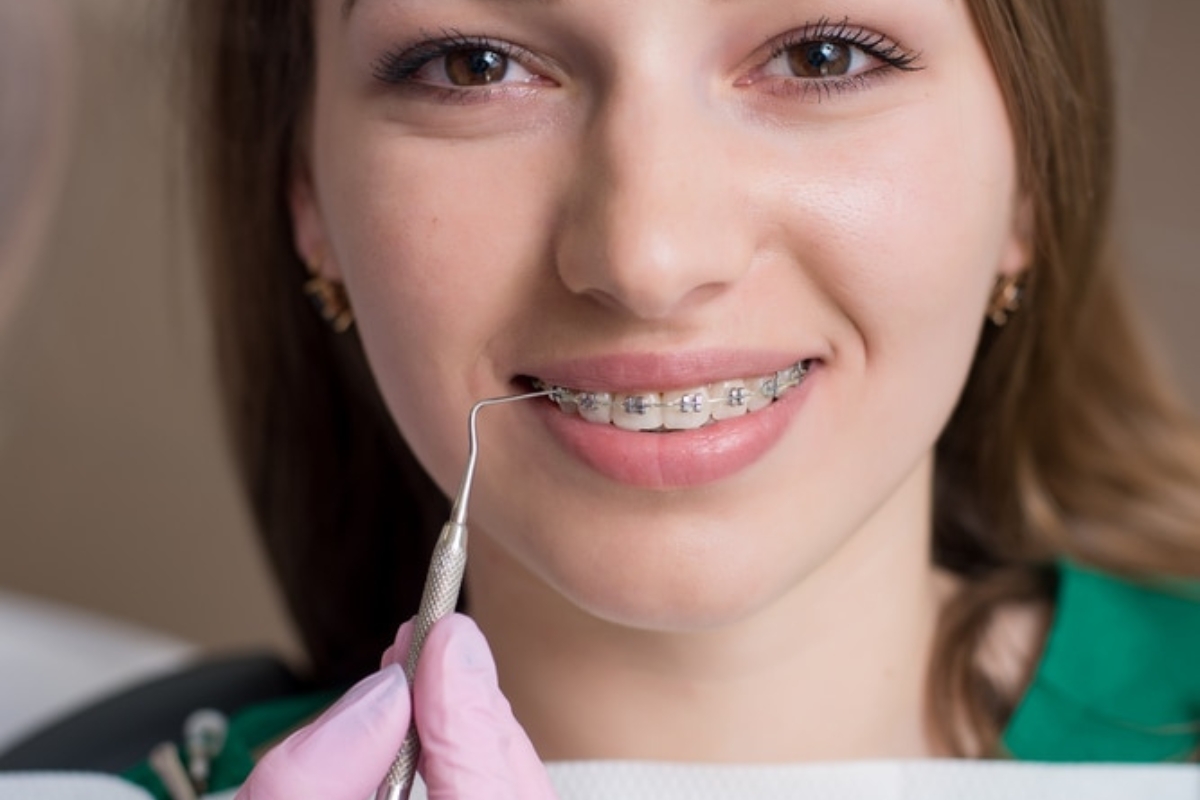
When it comes to orthodontic treatments, there are a variety of options available to meet different needs and preferences. One common treatment is traditional braces, which consist of metal brackets and wires that gradually shift the teeth into alignment over time. These braces are highly effective in correcting even severe misalignments.
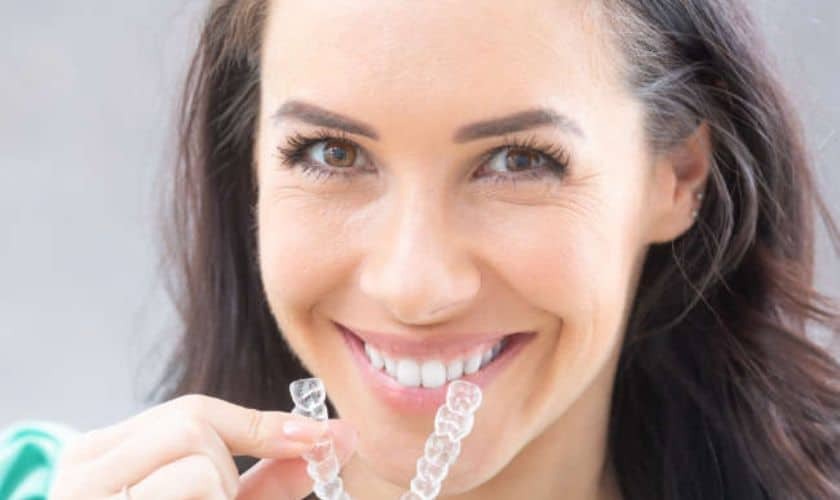
For those who prefer a more discreet option, clear aligners such as Invisalign have gained popularity. Invisalign uses a series of custom-made transparent trays that fit over the teeth, gently pushing them into place without drawing attention. This makes them ideal for adults or teenagers who may feel self-conscious about wearing visible braces.
Another alternative is lingual braces, which are attached to the back surface of the teeth instead of the front. Lingual braces offer similar benefits as traditional braces but with a less noticeable appearance.
In some cases where only minor corrections are needed, removable appliances like retainers or space maintainers may be used. These devices can help maintain proper tooth alignment after completing orthodontic treatment or prevent dental problems from occurring in children.
It’s important to consult with an experienced orthodontist to determine which type of treatment would best suit your individual needs and goals for oral health improvement. They will assess your specific situation and recommend the most suitable option based on factors such as severity of misalignment, age, lifestyle considerations, and personal preferences.
Remember that every person’s smile is unique; therefore, customized approaches can yield optimal results when it comes to orthodontic care!
Maintaining Good Oral Hygiene During and After Orthodontic Treatment
Taking care of your oral hygiene is important at all times, but it becomes even more crucial during orthodontic treatment. The wires and brackets used in braces can create additional spaces for food particles to get trapped, leading to an increased risk of plaque buildup and tooth decay. Here are some tips for maintaining good oral hygiene during and after orthodontic treatment.
It’s essential to brush your teeth regularly using a soft-bristle toothbrush. Be sure to clean both the outer surfaces as well as the inner surfaces of your teeth. Pay extra attention to brushing around the brackets and wires, making small circular motions to remove any food debris that may be stuck.
In addition to regular brushing, flossing should also be a part of your daily routine. Using floss threaders or special orthodontic floss can help you navigate around the wires easily. Don’t forget about interdental brushes or water flossers which can aid in cleaning hard-to-reach areas.
Another aspect of maintaining good oral hygiene during orthodontic treatment is watching what you eat. Avoid sticky or hard foods that may cause damage to your braces or get lodged between them. Opt for softer alternatives like cooked vegetables, lean proteins, and dairy products.
Visiting your dentist regularly is equally important throughout this process. They will not only monitor the progress of your treatment but also perform professional cleanings that reach areas you might miss at home.
Once your orthodontic treatment is complete, don’t neglect your dental care routine! Continue following these practices diligently as you transition into wearing retainers or other post-treatment appliances prescribed by your dentist.
By taking proper care of your teeth during and after orthodontic treatment, you can ensure optimal oral health outcomes while enjoying a beautiful smile!
The Bottom Line
Orthodontics plays a vital role in improving overall oral health. By addressing common orthodontic issues, such as misaligned teeth or malocclusion, orthodontic treatment not only enhances the appearance of your smile but also has numerous benefits for your oral health.
Through various types of orthodontic treatments like braces or clear aligners, individuals can achieve proper alignment and positioning of their teeth. This helps in preventing dental problems such as tooth decay, gum disease, and even jaw disorders.
Moreover, orthodontic treatment can improve bite function and speech clarity by correcting issues like overbite, underbite, crossbite or open bite. It also reduces excessive stress on certain teeth that may be bearing the brunt due to misalignment. By distributing biting forces evenly across all teeth, orthodontics ensures healthy functioning of the entire mouth.