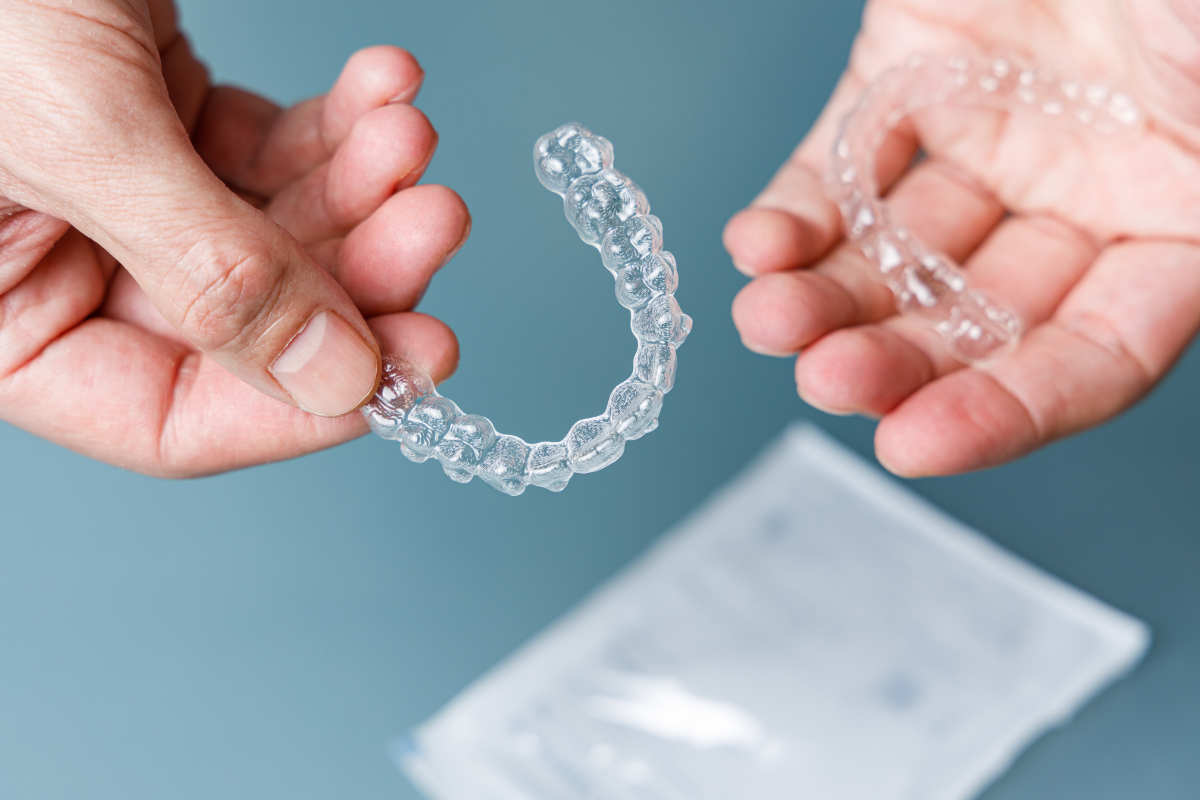
Invisalign offers a discreet and convenient way to straighten teeth; many patients are thrilled with their results. However, some may notice brown spots on their teeth after completing their Invisalign treatment. This can cause concern, especially after investing time and effort into achieving a perfect smile.
Why Do I Have Brown Spots on My Teeth After Invisalign?
It’s important to understand that Invisalign itself doesn’t cause brown spots. Instead, these spots are usually due to pre-existing conditions, issues that arose during treatment, or other factors unrelated to the aligners themselves. Invisalign, in a way, acts as a revealing tool, making existing issues more noticeable. Here are some common reasons for brown spots appearing after Invisalign:
- Pre-existing Stains or Decalcification: The brown spots were often present before starting Invisalign but were less visible. The aligners, by covering the teeth, might have masked these spots. Once the aligners are removed, the spots become more apparent. These pre-existing issues can stem from:
- Dietary Habits: Frequent dark-colored beverages (coffee, tea, red wine, cola) or foods with intense pigments (berries, turmeric) can stain teeth over time.
- Oral Hygiene Practices: Inadequate brushing and flossing allow plaque and bacteria to accumulate, leading to tooth decay and staining.
- Tobacco Use: Smoking or chewing tobacco significantly discolors teeth.
- Certain Medications: Some medications, like certain antibiotics or iron supplements, can cause tooth discoloration.
- Fluorosis: Excessive fluoride intake during tooth development can lead to fluorosis, which manifests as white or brown spots.
- Enamel Hypoplasia: This developmental condition results in thinner enamel, making teeth more susceptible to staining.
- Decalcification During Treatment: While less common with diligent oral hygiene, decalcification (the loss of minerals from the enamel) can sometimes occur during orthodontic treatment, including Invisalign. This often appears as white spots initially, which can then turn brown. Decalcification is typically caused by poor oral hygiene, especially around attachments or in areas where the aligners don’t create a perfect seal. Plaque buildup in these areas produces acids that erode the enamel.
- Tartar Buildup: Tartar, or calculus, is hardened plaque. It can appear as yellow or brown deposits, often along the gum line. While Invisalign covers most of the tooth surface, tartar can still accumulate in areas not fully covered or where cleaning is difficult.
- Staining from Attachments: Invisalign often uses attachments – small, tooth-colored buttons bonded to the teeth. While the attachments don’t usually stain, the adhesive can sometimes discolor over time, appearing as a yellowish or brownish tinge. Additionally, poor oral hygiene can lead to plaque and staining around the edges of the attachments.
- Underlying Dental Issues: Sometimes, brown spots indicate underlying dental problems, such as cavities or tooth decay. These issues may have been present before Invisalign but became more apparent after treatment.
What Can You Do About Brown Spots After Invisalign?
The treatment for brown spots depends on the underlying cause. Here are some options:
- Professional Cleaning: A thorough cleaning by your dentist or hygienist can remove surface stains and tartar buildup.
- Tooth Whitening: Professional teeth whitening might be an option if the brown spots are due to surface stains. However, consult your dentist or orthodontist to determine if whitening is appropriate for your specific situation, as some stains don’t respond well to whitening.
- Microabrasion: This technique removes a thin layer of enamel to reduce the appearance of superficial stains or imperfections.
- Dental Bonding: Dental bonding can cover the affected area with a tooth-colored composite resin for more significant staining or discoloration.
- Veneers: In some cases, porcelain veneers might be recommended for severe staining or other cosmetic imperfections.
- Treatment of Underlying Dental Issues: If the brown spots are caused by cavities or tooth decay, your dentist must address these issues before any cosmetic procedures.
Maintaining Oral Hygiene During Invisalign Treatment
Preventing brown spots is crucial, and maintaining excellent oral hygiene during your Invisalign treatment is essential. Here are some tips:
- Brush and Floss Regularly: Brush thoroughly after every meal using a soft-bristled toothbrush and fluoride toothpaste. Floss daily to remove plaque and food particles between your teeth and the gum line.
- Clean Your Aligners Thoroughly: Clean your Invisalign aligners daily using a soft-bristled toothbrush, mild soap, or specialized aligner cleaner.
- Rinse Your Mouth and Aligners: Rinse your mouth and aligners after every meal to remove any food debris or plaque.
- Limit Staining Foods and Drinks: While it’s best to remove your aligners before eating or drinking anything other than water, limit your intake of staining substances, even when your aligners are out.
- Maintain Regular Checkups: Keep your scheduled appointments with your orthodontist. We will monitor your progress and provide personalized guidance on maintaining your oral health during treatment.
Conclusion
Schuessler Orthodontics is not just a provider of orthodontic care but a dedicated partner in your journey to a healthy and beautiful smile. We understand you may have concerns about brown spots or other issues during or after your Invisalign treatment. Don’t hesitate to contact us if you have any questions or want to schedule a consultation. We are here to help you achieve the healthy and beautiful smile you deserve.