Orthodontic care is crucial for achieving a confident smile. Many residents turn to a Stillwater orthodontist to address a variety of dental issues. Whether it’s a misaligned bite or crowded teeth, these treatments, like braces and Invisalign, offer solutions that transform smiles. For many in Stillwater, grabbing a cup of coffee at The Red Cup or Esca is part of the daily routine. While sipping your favorite brew, consider how professional care, like braces or Invisalign, can help improve your smile while enjoying these local gems. In this blog, we’ll explore some of the most common orthodontic problems people face and how they are effectively treated.
What Are the Most Common Orthodontic Issues
Whether at the Boomer Blast festival or Boone Pickens Stadium, a straight, healthy smile boosts confidence for those moments. Here are the problems:
1. Crowded Teeth
One of the most common issues orthodontists encounter is crowded teeth, where there isn’t enough space in the mouth for the teeth to grow in properly. This often results in overlapping or crooked teeth, which can affect both aesthetics and function. The good news is that crowded teeth can be easily corrected with braces or clear aligners like Invisalign. These treatments gradually shift the teeth into their proper positions, improving both appearance and bite function.
2. Overbite and Underbite
An overbite occurs when the upper teeth significantly overlap the lower teeth, while an underbite happens when the lower teeth extend beyond the upper teeth. Both conditions can cause difficulty with chewing and speaking, and in some cases, can lead to jaw pain. Braces are often used to reposition the teeth, and in severe cases, orthodontic surgery may be recommended.
Many people with overbites or underbites turn to an orthodontist Stillwater who offers personalized treatment plans. These treatments often involve a combination of braces and, occasionally, retainers, to ensure long-term results.
3. Crossbite
A crossbite occurs when one or more of the upper teeth bite on the inside of the lower teeth, either at the front or the back of the mouth. This condition can cause teeth to wear down unevenly, leading to tooth decay and gum disease. Crossbites are typically corrected with braces or clear aligners. In some cases, a palate expander may also be used to widen the upper jaw and create enough space for the teeth to align properly.
4. Gaps Between Teeth
Some individuals may have large gaps between their teeth, known as diastema. While gaps between teeth are often purely cosmetic, they can sometimes affect speech and cause discomfort. Treatment for gaps typically involves the use of braces or clear aligners. In some cases, additional dental procedures, such as dental bonding or veneers, may be recommended for a more permanent solution.
5. Teeth Misalignment
Misalignment of the teeth can occur in various forms, from crooked teeth to an uneven bite. Whether it’s caused by genetics or habits like thumb-sucking, misaligned teeth can impact oral health and self-esteem. An orthodontist Stillwater offers various solutions, including traditional metal braces and clear aligners like Invisalign, to help straighten teeth and improve bite functionality. These treatments gradually move the teeth into their optimal positions, giving you a more confident smile.
6. Open Bite
An open bite occurs when the upper and lower teeth do not meet when the mouth is closed, leaving an open space. This problem can make chewing and speaking difficult and may even cause jaw pain. An open bite is often treated with braces, which can gradually shift the teeth and jaw into alignment. In severe cases, surgery may be required to correct the issue.
How Orthodontic Treatments Work?
These treatments, like braces and Invisalign, work by applying gentle pressure to the teeth and jaw over time, shifting them into more desirable positions. Traditional braces consist of metal brackets, wires, and elastic bands that help move the teeth gradually. Braces are particularly effective for more complex issues.
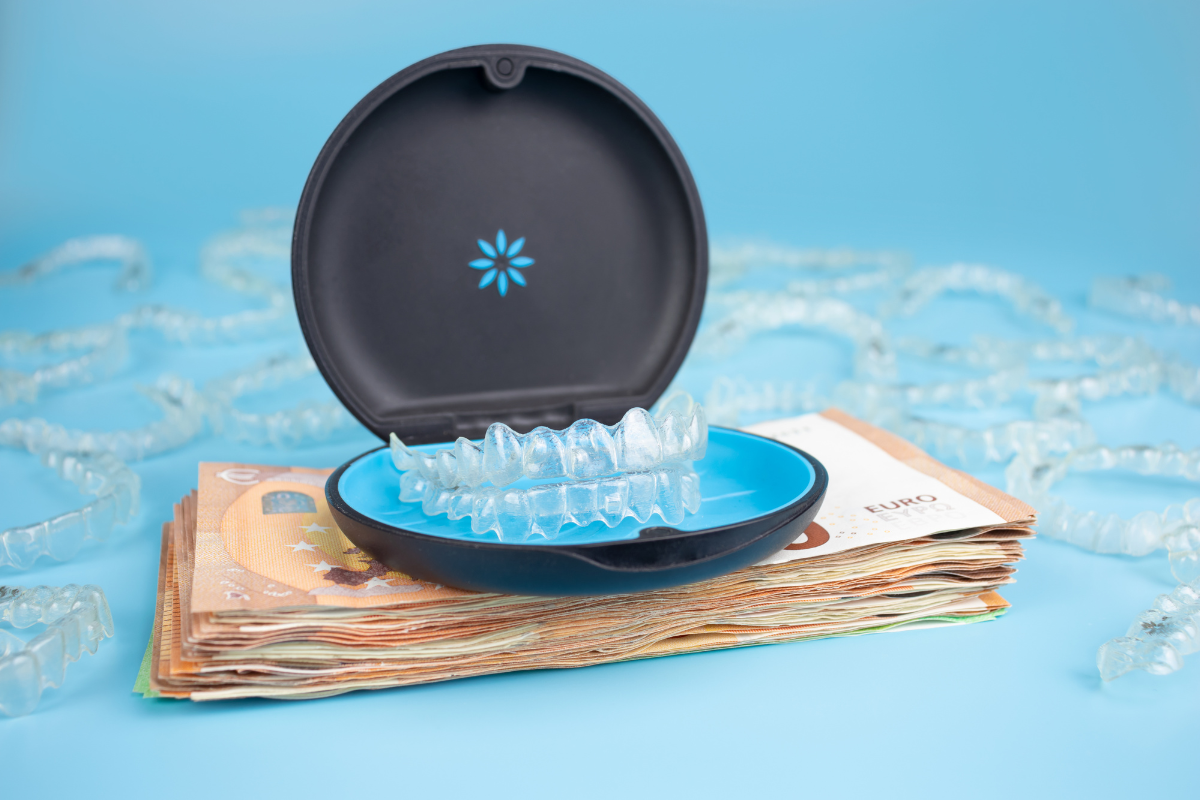
In contrast, Invisalign offers a discreet and comfortable alternative. The treatment uses a series of clear plastic aligners that are custom-made to fit your teeth and gradually shift them into alignment. Both treatments are highly effective, and your orthodontist can help determine which option is best for your needs.
Choosing the Right Orthodontic Treatment
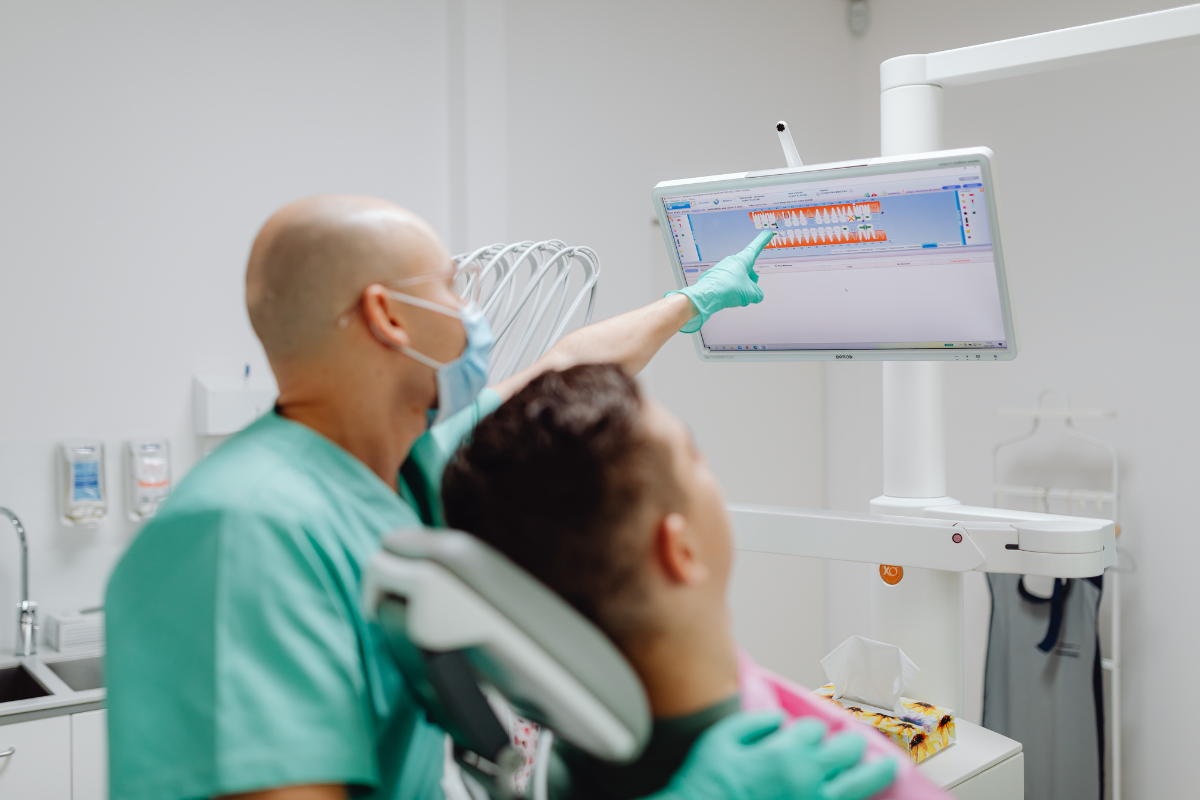
When considering professional care, it’s important to consult with a Stillwater orthodontist who can assess your unique needs. Whether you have crowded teeth, an overbite, or other issues, your orthodontist will help select the best treatment.
In addition to traditional braces and Invisalign, many professionals also offer early intervention treatments for children. It will help to address dental issues before they become more severe. Early treatment can help prevent future complications and make it easier to correct problems when they arise.
Get Straighter Teeth With Professional Treatment
Orthodontic issues are common, but they are highly treatable with the right care and attention. Whether you’re struggling with crowded teeth, an overbite, or other concerns, treatments like braces and Invisalign can help you achieve a healthier, more confident smile.
If you’re ready to address your concerns, schedule a consultation with a Stillwater orthodontist today. Our team is dedicated to providing personalized care tailored to your needs. Don’t wait to improve your smile. Contact a local dental office today and take the first step toward better oral health and a more confident smile!
Common FAQs: Common Orthodontic Problems
1. How long does it take for braces to straighten teeth?
The length of time for braces treatment can differ, but most often it lasts somewhere between 18 and 24 months. Of course, the exact duration depends on how complex the issue is that we’re working to fix.
2. Can Invisalign fix crowded teeth?
Yes, Invisalign is a great option for effectively treating crowded teeth. It works by gently shifting the teeth into proper alignment with clear, custom-made aligners, making the process comfortable and virtually invisible.
3. What is the best age for orthodontic treatment?
Starting the treatment is usually best between the ages of 7 and 14. However, it’s great to know that adults can also enjoy the benefits of braces or Invisalign whenever they choose.
4. Are there alternatives to traditional braces?
Yes, clear aligners such as Invisalign provide a more discreet and aesthetically pleasing alternative to traditional metal braces. It makes them a popular choice for individuals seeking effective orthodontic treatment with less visible hardware.
5. Do braces hurt?
Although braces may occasionally cause minor discomfort or soreness after adjustments, it will be worth it. It’s important to remember that this sensation is usually mild and tends to be short-lived, often subsiding within a few days.
6. How often should I visit the orthodontist?
Many patients find it really helpful to visit their orthodontist every 4-6 weeks for adjustments. This regular check-in helps keep their treatment on the right track and makes the process smoother.