Orthognathic surgery, often referred to as jaw surgery, can be a life-changing procedure for individuals with severe bite issues or facial imbalances. While it’s a significant surgical intervention, many patients wonder about the level of pain involved. This blog post will address common concerns about pain related to orthognathic surgery, providing insights to help you make informed decisions.
Understanding Orthognathic Surgery
Before we delve into the pain aspect, let’s briefly understand orthognathic surgery. This complex procedure is performed by oral and maxillofacial surgeons to correct jaw misalignments. It’s often combined with orthodontic treatment to achieve optimal results.
The Pain Factor: Myth vs. Reality
A common misconception is that orthognathic surgery is excruciatingly painful. While it’s true that any surgery involves some discomfort, the reality is often less severe than many people anticipate. Here’s why:
- Anesthesia: The surgery is performed under general anesthesia, meaning you’ll be asleep and feel no pain.
- Post-Operative Pain: Once the anesthesia wears off, you’ll likely experience some discomfort, similar to other surgical procedures. However, modern pain management techniques and medications are highly effective in controlling this pain.
- Swelling and Stiffness: Swelling and stiffness in the jaw area are joint after surgery, but they usually subside within a few days. While uncomfortable, these symptoms are typically manageable with prescribed medication.
Managing Post-Operative Discomfort
Your orthodontist in Enid, Ponca City, or Stillwater will provide detailed instructions on managing post-operative discomfort. Here are some common pain management strategies:
- Prescription Pain Medication: Your surgeon will prescribe pain relievers to help alleviate discomfort.
- Ice Packs: Applying ice packs to the face can help reduce swelling and numb the area.
- Soft Diet: Consuming soft foods can minimize discomfort when chewing.
- Rest: Adequate rest is essential for healing and pain management.
The Role of Orthodontics
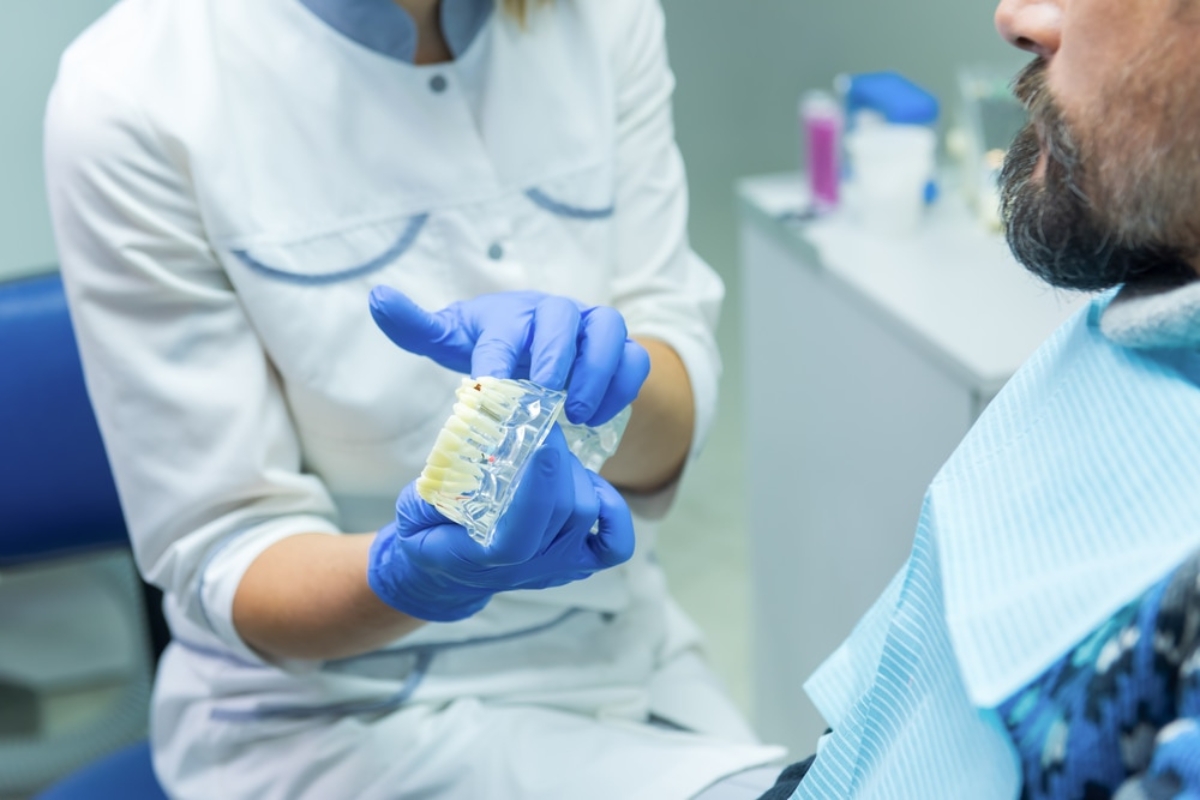
While orthognathic surgery is performed by an oral surgeon, your orthodontist plays a crucial role in the overall treatment plan. They work closely with the surgeon to achieve optimal results and provide post-surgical orthodontic care to refine the bite and ensure long-term stability. This collaborative approach ensures you’re in good hands throughout the process.
When to Seek Professional Help
It’s important to contact your orthodontist if you experience severe pain, excessive bleeding, or any other unusual symptoms after surgery. Remember, we’re here for you and prompt attention can prevent complications, so don’t hesitate to reach out.
The Benefits Outweigh the Discomfort
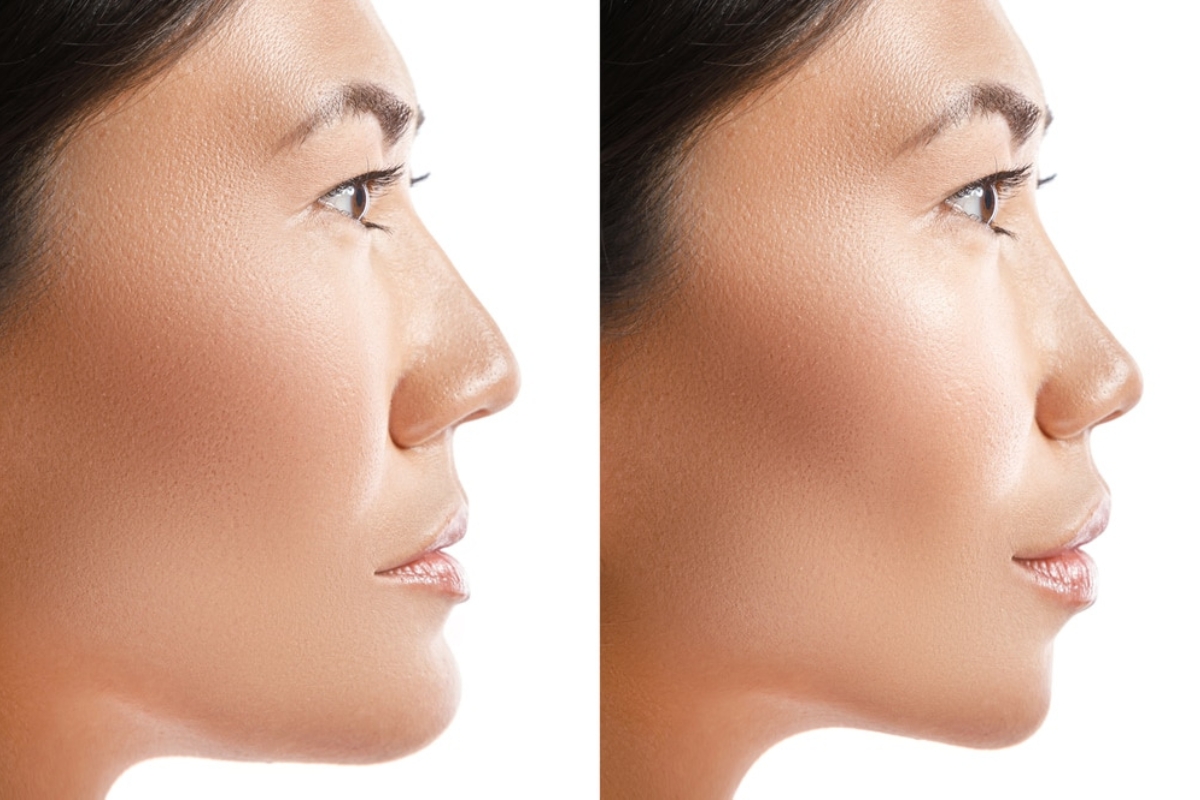
While the idea of surgery may be daunting, the potential benefits of orthognathic surgery often outweigh the temporary discomfort. Many patients report improved facial aesthetics, better bite function, and increased self-confidence after the procedure. So, keep in mind the positive changes that await you.
Schuessler Orthodontics: Your Partner in Oral Health
At Schuessler Orthodontics, we understand your concerns and questions about orthognathic surgery. Our team is committed to providing comprehensive orthodontic care, including working closely with oral surgeons to achieve optimal outcomes.
If you’re considering orthognathic surgery, we encourage you to schedule a consultation with our orthodontic experts in Enid, Ponca City, or Stillwater. We’ll assess your needs and develop a personalized treatment plan to help you achieve a beautiful and healthy smile.