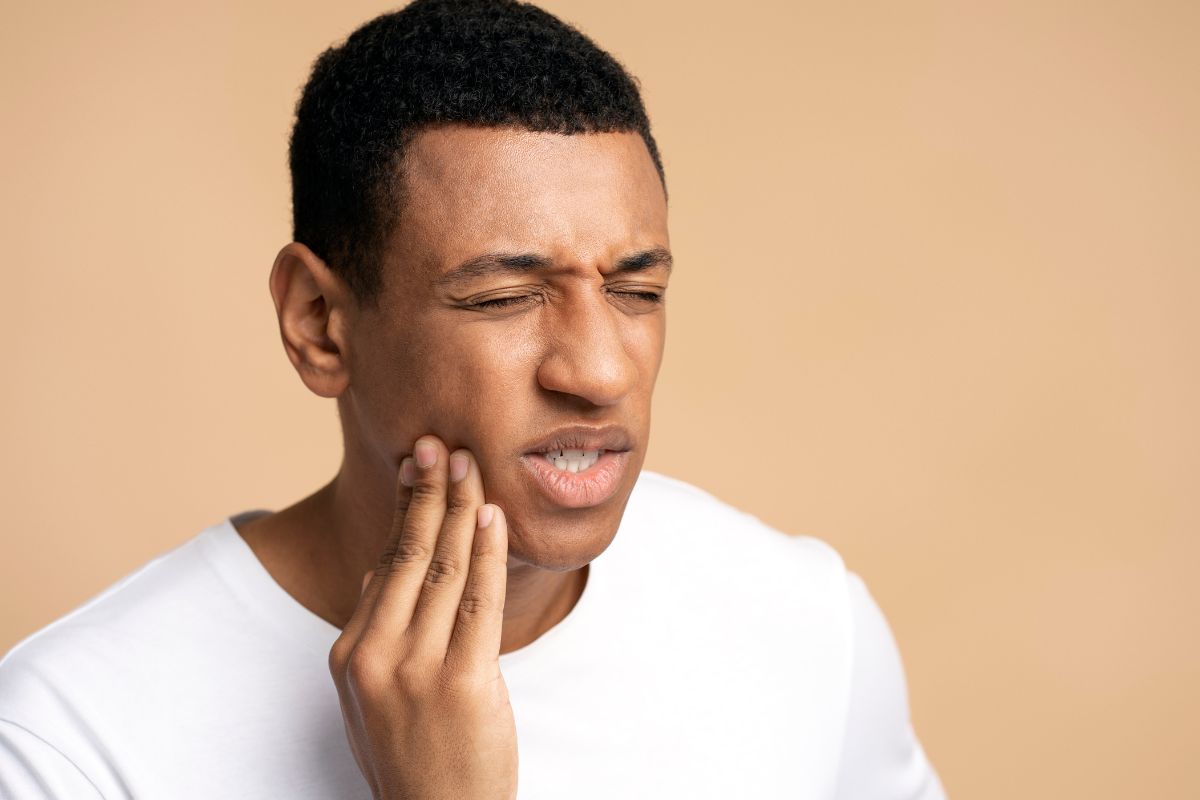
Ear pain can be a real nuisance. It can disrupt your daily life and make you feel generally unwell. While ear infections are often the first thing that comes to mind, did you know that your jaw joint could be the culprit? Temporomandibular joint disorder (TMJ), usually referred to as TMD, can manifest in surprising ways, including ear pain.
TMJ and TMD
The temporomandibular joint (TMJ) is a hinge that connects your jawbone to your skull. You have two TMJs, one on each side of your jaw. These joints allow you to talk, chew, and yawn. Temporomandibular joint disorders (TMD) encompass a range of conditions affecting the TMJ, jaw muscles, and surrounding tissues. TMD can cause various symptoms, sometimes far from the jaw itself.
Can TMJ Cause Ear Pain?
The connection between TMJ and ear pain might seem unclear at first, but several factors contribute to this surprising link:
- Shared Nerves: The TMJ and the ear share some of the same nerves. This means pain originating in the TMJ can be perceived in the ear. It’s like a crossed wire – the signal gets mixed up, and the brain interprets the pain as coming from the ear.
- Muscle Tension: The muscles that control jaw movement are located near the ear. When these muscles are tense or inflamed due to TMJ problems, they can cause pain that radiates to the ear. Think of it as referred pain, similar to how a heart attack can sometimes cause pain in the left arm.
- Inflammation: Inflammation in the TMJ can spread to nearby areas, including the ear. This inflammation can irritate the nerves and tissues in the ear, leading to pain, pressure, and even tinnitus (ringing in the ears).
- Proximity: The TMJ is located very close to the ear. Because of this proximity, problems with the joint can easily affect the ear. For example, swelling in the TMJ can put pressure on the ear canal or the eustachian tube, leading to ear pain or other ear symptoms.
Common TMJ Symptoms Beyond Ear Pain
Ear pain is just one of the many symptoms associated with TMJ disorders. Other common symptoms include:
- Jaw pain or tenderness: This is often the most prominent symptom.
- Clicking or popping sounds in the jaw joint: These sounds may or may not be accompanied by pain.
- Difficulty chewing or opening the mouth wide can make eating and talking difficult.
- Headaches: TMJ-related headaches are often described as tension headaches.
- Facial pain can extend to the cheeks, temples, and forehead.
- Neck and shoulder pain: Muscle tension associated with TMJ can also affect the neck and shoulders.
- Tinnitus (ringing in the ears) can be a particularly bothersome symptom.
- Dizziness or vertigo: Some patients experience dizziness or a sensation of spinning.
When to an Orthodontist?
If you’re experiencing persistent ear pain, especially if other TMJ symptoms accompany it, it’s essential to seek professional help. Start by consulting your primary care physician or an ear, nose, and throat (ENT) specialist to rule out any other potential causes of ear pain, such as ear infections or sinus problems.
If your doctor suspects that your ear pain might be related to TMJ, they may refer you to a dentist or orthodontist with expertise in TMJ disorders.
Diagnosis and Treatment
Your orthodontist will thoroughly examine your TMJ muscle’s function and identify contributing factors. This may include:
- Evaluating your jaw movement: Check how well your jaw opens and closes and look for any restrictions or clicking/popping sounds.
- Palpating your jaw muscles: Feel your jaw muscles to check for tenderness or tension.
- Assessing your bite: Examine how your teeth come together to identify any bite problems contributing to your TMJ issues.
- Reviewing your medical history: Discuss your symptoms, previous injuries, and other relevant medical information.
Treatment options for TMJ disorders can vary depending on the severity of your condition and may include:
- Self-care strategies may include applying heat or ice to the jaw, eating soft foods, and avoiding chewing gum or hard candies.
- Medications: Over-the-counter pain relievers or muscle relaxants may be recommended to manage pain and muscle tension.
- Oral appliances: A custom-made night guard or splint can help stabilize the jaw joint and reduce teeth grinding or clenching.
- Physical therapy: Exercises and stretches can help to improve jaw mobility and reduce muscle tension.
- Orthodontic treatment: In some cases, correcting bite problems through orthodontic treatment may be necessary to alleviate TMJ symptoms.
- Surgery: Surgery is rarely needed for TMJ disorders and is usually only considered as a last resort.
Don’t Suffer in Silence
Ear pain can significantly impact your quality of life. If you suspect that your ear pain might be related to TMJ, don’t hesitate to seek professional help. At Schuessler Orthodontics, we’re dedicated to helping you find relief from TMJ-related symptoms and improve your overall oral health. Contact us today to schedule a consultation and take the first step towards a pain-free life.