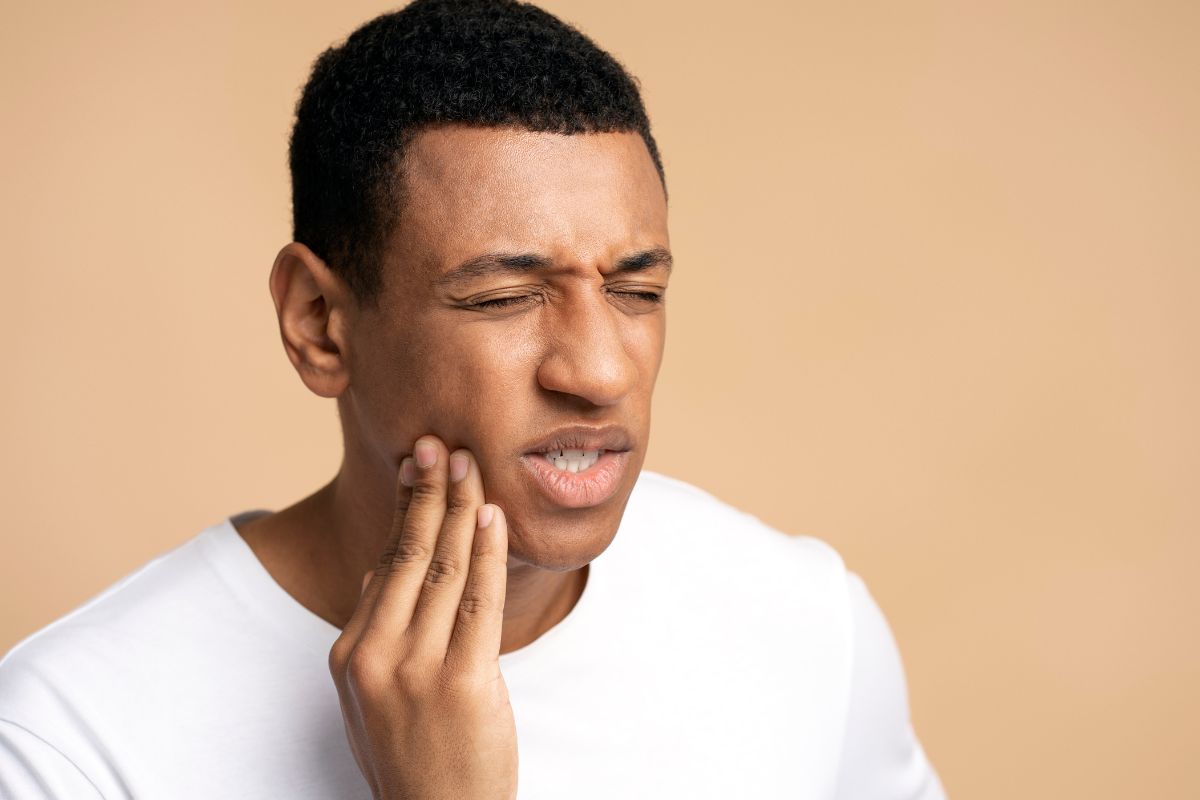
Are you experiencing pain or discomfort in your jaw? Does it click or pop when you eat or speak? If so, you may be suffering from TMJ, a common condition that affects millions of people worldwide. But fear not! In this blog post, we will explore the various treatment options available to help alleviate the symptoms and bring you much-needed relief. So sit back, relax, and let’s dive into the world of effective TMJ treatments in Enid!
What is TMJ?
TMJ, or temporomandibular joint disorder, refers to a condition that affects the joints and muscles of the jaw. It can cause pain, discomfort, and limited movement in the jaw area. The temporomandibular joint acts like a hinge that connects your jawbone to your skull, allowing you to open and close your mouth smoothly.
There are three main types of TMJ: myofascial pain syndrome, internal derangement of the joint, and degenerative joint disease. Myofascial pain syndrome is characterized by muscle pain and tenderness in the jaw area. Internal derangement of the joint occurs when there is an issue with how the joint works or moves. Degenerative joint disease involves wear-and-tear damage to the cartilage in the joints.
The exact causes of TMJ are often unclear but can be attributed to various factors such as injury or trauma to the jaw area, teeth grinding or clenching (bruxism), misalignment of teeth or jaws (malocclusion), stress-induced facial tension, arthritis affecting the TMJ joints, or even hormonal imbalances.
If you suspect you have TMJ symptoms, it’s essential to seek professional help for an accurate diagnosis. A healthcare provider experienced in treating TMJ can develop an individualized treatment plan tailored specifically for your needs. So don’t suffer in silence – relief from TMJ is within reach!
The Three Types of TMJ
TMJ, or temporomandibular joint disorder, is a condition that affects the jaw joints and muscles. It can cause pain and discomfort in the jaw area, as well as difficulty with chewing and speaking. There are three types of TMJ: Myofascial pain syndrome (MPS), internal derangement of the joint, and degenerative joint disease.
Myofascial pain syndrome is the most common type of TMJ. It involves muscle pain and tension in the jaw area. This can be caused by clenching or grinding teeth, stress, or trauma to the jaw muscles.
Internal derangement refers to any abnormality within the temporomandibular joint itself. This could include a displaced disc or damage to the ligaments surrounding the joint. Symptoms may include popping or clicking sounds when opening or closing your mouth.
Degenerative joint disease occurs when there is deterioration of the cartilage within the TMJ. This can happen due to aging, arthritis, or previous injuries to the joint.
Each type of TMJ requires different treatment approaches depending on its underlying cause. Treatment options may include physical therapy exercises for strengthening and stretching muscles; medications such as nonsteroidal anti-inflammatory drugs (NSAIDs) for pain relief; splints or oral appliances to help align your bite; counseling for stress management techniques; and surgical intervention in severe cases.
It’s important to consult with a healthcare professional who specializes in TMJ disorders to determine which treatment option is best suited for you based on your specific symptoms and diagnosis.
The Causes of TMJ
TMJ, or temporomandibular joint disorder, is a condition that affects the jaw joint and muscles. While the exact cause of TMJ is not always clear, there are several factors that can contribute to its development.
One potential cause of TMJ is teeth grinding or clenching, also known as bruxism. This repetitive motion places excessive strain on the jaw joint and surrounding muscles, leading to pain and discomfort. Stress and anxiety often play a role in teeth grinding, making it important to address these underlying issues as part of treatment.
Another possible cause of TMJ is arthritis in the jaw joint. This can occur due to wear-and-tear over time or as a result of an injury. Arthritis causes inflammation within the joint, leading to pain and restricted movement.
Structural abnormalities in the jaw or bite alignment can also contribute to TMJ symptoms. If the upper and lower jaws do not fit together properly, it can place undue stress on the joint when chewing or speaking.
Other potential causes include trauma to the jaw area, such as from a car accident or sports injury, hormonal imbalances that affect muscle function, and even poor posture.
Understanding what may be causing your TMJ symptoms is crucial for finding effective treatment options. By addressing these underlying causes through targeted therapies like physical therapy exercises, stress management techniques,and dental adjustments,the hope for relief becomes more attainable.
The Different Types of TMJ Treatment
When it comes to treating TMJ, there are various options available depending on the severity and cause of your condition. It’s important to consult with a healthcare professional who specializes in TMJ disorders to determine the most effective treatment plan for you.
One common type of treatment is lifestyle changes. This may involve avoiding certain foods that can trigger symptoms or practicing stress-reducing techniques such as meditation or yoga. Physical therapy exercises can also help strengthen jaw muscles and improve overall jaw function.
In some cases, medications may be prescribed to help alleviate pain and reduce inflammation. These can include over-the-counter pain relievers, muscle relaxants, or even injections of corticosteroids directly into the affected joint.
For more severe cases of TMJ, dental treatments may be recommended. This can include orthodontic work to correct bite misalignment or the use of oral appliances such as splints or mouthguards to provide support and relieve pressure on the jaw joint.
In rare instances where conservative treatments have been unsuccessful, surgical intervention may be considered as a last resort. Procedures such as arthrocentesis (joint flushing), arthroscopy (joint repair), or open-joint surgery may be performed by an oral surgeon.
Remember, every individual is unique, so what works for one person might not work for another when it comes to treating TMJ. It’s essential to work closely with your healthcare provider to find a personalized treatment plan that addresses your specific needs and helps bring relief from TMJ symptoms.
How to Treat TMJ?
When it comes to treating TMJ, there are several options available that can provide relief and improve your quality of life. One common approach is using medications to manage the symptoms associated with TMJ. This may include pain relievers, muscle relaxants, or anti-inflammatory drugs.
Physical therapy exercises can also be helpful in reducing pain and improving jaw function. These exercises focus on stretching and strengthening the muscles surrounding the temporomandibular joint. A physical therapist can guide you through these exercises and help customize a treatment plan for your specific needs.
In some cases, wearing a splint or night guard may be recommended by your dentist or orthodontist. These devices help align your bite and reduce stress on the jaw joint, providing relief from TMJ symptoms.
For more severe cases of TMJ, dental procedures such as dental crowns or orthodontic treatment may be necessary to correct underlying issues that contribute to TMJ dysfunction.
It’s important to note that every case of TMJ is unique, so what works for one person may not work for another. It’s crucial to consult with a healthcare professional who specializes in treating TMJ disorders to determine which treatment option is best suited for you.
Remember, finding effective treatment for TMJ takes time and patience. Don’t hesitate to explore different approaches until you find what works best for you!
The Bottom Line
Treating TMJ can be a complex and multifaceted process. With the right approach, however, relief is possible. By understanding the causes of TMJ and recognizing the symptoms, you can take proactive steps towards finding effective treatment options.
Remember, there are three types of TMJ: myofascial pain syndrome, internal derangement of the joint, and degenerative joint disease. Each type requires a different approach to treatment.
Some common causes of TMJ include stress, teeth grinding (bruxism), jaw misalignment, arthritis, or injury to the jaw joint. Identifying these underlying causes can help in determining an appropriate course of action.
Fortunately for those suffering from TMJ disorder in Enid and surrounding areas, there are various treatment options available. These may include lifestyle changes like stress reduction techniques or dietary modifications to avoid trigger foods such as hard or chewy items. Physical therapy exercises targeted at strengthening jaw muscles and improving flexibility may also be beneficial.