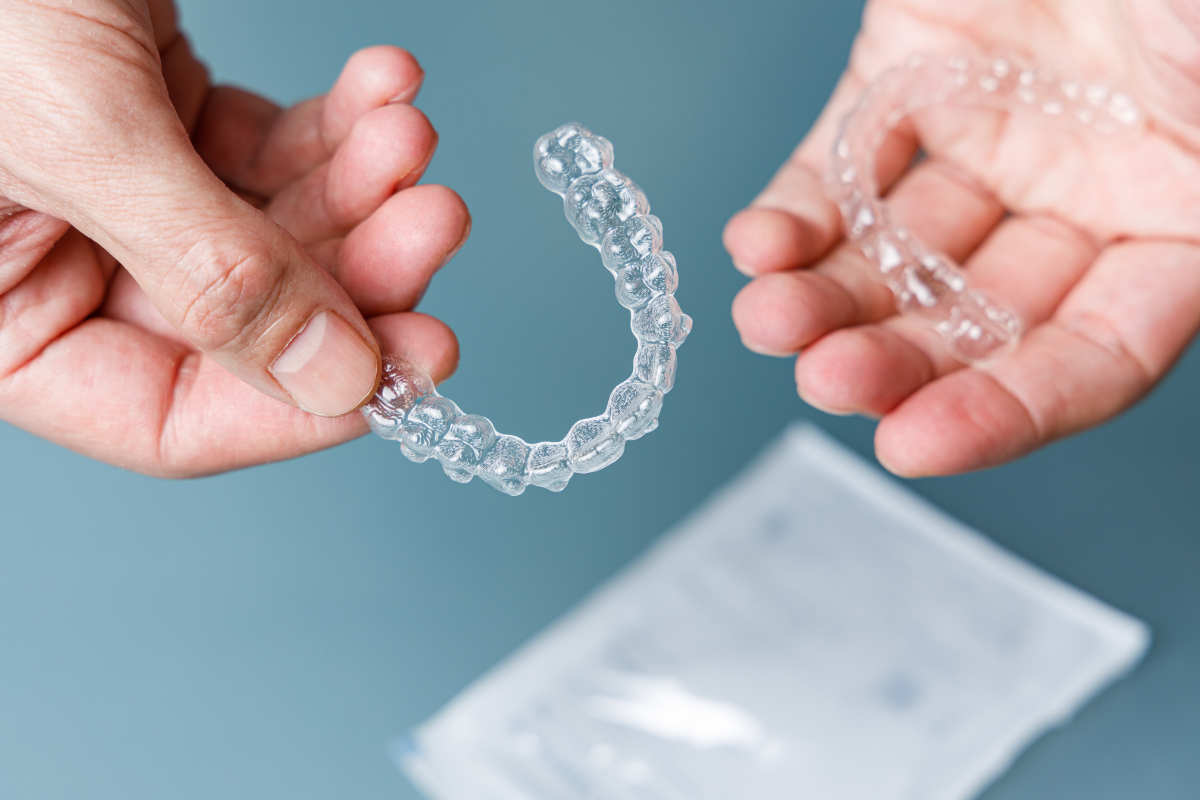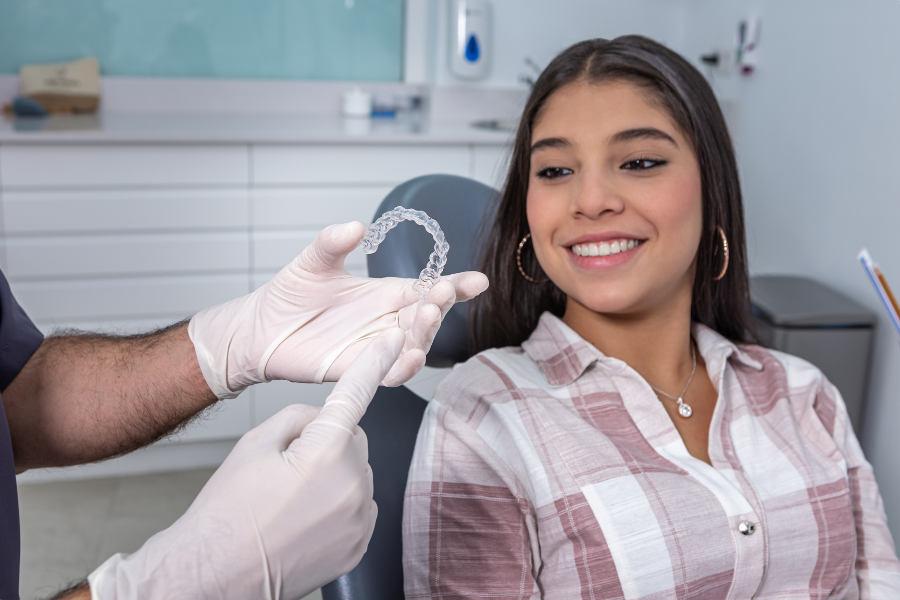
If you have been thinking about straighter teeth without metal braces, you are not alone. Many people in Enid and across the country are asking about clear aligner options. Invisalign Enid patients often wonder one thing first: “Am I even a good candidate?” That is a fair question, and the answer depends on more than just how your teeth look. Orthodontists follow a clear and structured process to figure out if Invisalign is the right path for you. This post walks you through exactly what that process looks like, so you can walk into your first visit feeling informed.
What Is the Evaluation Process?
Before any treatment plan is made, an orthodontist looks at your full dental picture. This is not a quick glance. It is a careful review that includes X-rays, photos, and sometimes digital scans of your teeth and jaw.
The goal is simple: find out if clear aligners can move your teeth safely and effectively. Some cases are easy fits. Others need more complex work that aligners alone cannot do well. Knowing which category you fall into saves time and money down the road.
The Key Factors Orthodontists Look At
1. The Type and Severity of Your Bite Issue
Orthodontists look at what kind of problem needs fixing. The most common issues include crowding, spacing, overbite, underbite, crossbite, and open bite. Invisalign works well for mild to moderate versions of these problems.
Severe cases, especially those involving the jaw bone itself, may need other treatments like surgery or traditional braces before or alongside clear aligners. Your orthodontist will tell you clearly which camp you fall into.
2. Your Bone and Gum Health
Healthy gums and bone are the foundation of any orthodontic treatment. If there is active gum disease or bone loss, those problems must be treated first. Moving teeth through unhealthy tissue can make existing problems worse.
If you have been putting off seeing an orthodontist near me because of gum concerns, know that these issues can usually be addressed before starting treatment. Your orthodontist will work with your general dentist to make sure your mouth is ready.
3. Your Age and Stage of Dental Development
Invisalign works for both teens and adults. However, children whose teeth and jaw are still growing may not be ready yet. Orthodontists look at whether all or most permanent teeth have come in, and whether the jaw has reached a stable point in its growth.
Teens have a specific version of the product designed with their needs in mind. Adults typically have more predictable results because jaw growth is complete.
4. The Position of Your Teeth
Not every tooth moves the same way with clear aligners. Teeth that need to be rotated or moved up and down vertically can be harder to treat with aligners than with traditional braces. Your orthodontist will assess whether the specific movements needed for your case fall within what Invisalign can reliably do.
5. Your Commitment Level
This one matters more than people expect. Aligners must be worn 20 to 22 hours a day to work properly. They are removable, which is a benefit, but it also puts more responsibility on the patient.
If a person is not likely to keep the aligners in consistently, the results will not be what was planned. Orthodontists often ask about lifestyle and daily habits to get a sense of how well someone will stick to the routine.
How Technology Helps the Decision
Modern orthodontic offices use digital tools to plan treatment before it starts. 3D scans of your teeth allow the orthodontist to map out every tooth movement step by step. This gives both you and the doctor a visual of what the end result should look like.
In some offices in Enid and surrounding areas, this technology also lets you see a preview of your projected smile before you commit. It is a practical way to set realistic expectations from the start.
When Invisalign Is Not the Best Fit
Being honest about limitations is part of good care. There are cases where Invisalign is simply not the most effective tool.
Very complex bite problems, large gaps, or severe crowding often respond better to traditional braces. Some patients also have dental restorations like crowns or bridges that can make aligner treatment harder to plan accurately. In those cases, your orthodontist will explain your options clearly and help you pick the path that gives you the best long-term outcome.
What to Expect at a Consultation
When you search for an orthodontist near me and book a visit, here is what a typical first appointment looks like:
The orthodontist will take a full medical and dental history. Next comes a physical exam of your teeth, gums, and jaw. X-rays or a digital scan may be taken during the same visit. The doctor will then review everything and give you a recommendation, along with a treatment plan and cost estimate if Invisalign is a good match.
It is a conversation, not a sales pitch. Good orthodontists explain the reasoning behind their recommendation, not just the bottom line.
Local Context: Why This Matters in Enid, Oklahoma
Enid is a mid-sized city in northwest Oklahoma with a growing awareness of health and wellness. Residents here have access to quality dental care, and more families are exploring orthodontic options for themselves and their children. For anyone looking into Invisalign Enid services, it helps to know that local orthodontists are using the same digital planning tools and clinical standards found in larger metropolitan areas.
Whether you live near the downtown square, out in the surrounding rural areas, or somewhere in between, access to a qualified orthodontist is within reach. The process described in this article applies to any practice, local or not, that follows current orthodontic standards.
Frequently Asked Questions
Q: Can Invisalign fix a severe overbite?
A: It depends on how severe the overbite is. Mild to moderate overbites can often be corrected with clear aligners. More severe cases may require braces or additional dental work first.
Q: Is there an age limit for Invisalign?
A: There is no upper age limit. Adults of any age can use Invisalign as long as their teeth and gums are healthy. Younger teens may qualify depending on how far their dental development has progressed.
Q: How long does Invisalign treatment take?
A: Most cases run between 12 and 18 months. Simple cases can finish sooner. More involved cases may take longer. Your orthodontist will give you a more specific timeline after the evaluation.
Q: Will my insurance cover Invisalign?
A: Many dental insurance plans cover Invisalign the same way they cover traditional braces. It is worth calling your insurance company before your appointment to find out what your plan includes.
Q: What happens if I do not wear my aligners enough?
A: The teeth will not move as planned. This can extend treatment time or lead to less accurate results. Wearing aligners 20 to 22 hours a day is not optional; it is how the treatment works.
Q: Can I get Invisalign if I have had braces before?
A: Yes. Many adults who had braces as teens and have since experienced some shifting use Invisalign as a correction. This is one of the most common situations orthodontists see.
Q: How do I find a qualified orthodontist in Enid?
A: Look for a provider who is a certified Invisalign provider with active orthodontic training. Checking for board certification and reading patient reviews are both good starting points.
Q: Does the consultation cost anything?
A: Many orthodontic offices offer a free initial consultation. It is worth calling ahead to confirm what is included and whether any records like X-rays or scans are covered.
Conclusion
Figuring out if Invisalign is right for you is not guesswork. Orthodontists look at your bite, bone health, tooth positions, age, and personal habits to make a well-informed call. The process is straightforward, and most people walk away from their first visit with a clear answer one way or the other.
If you have been curious about Invisalign Enid options or have been typing “orthodontist near me” into your phone hoping to find real answers, the next best step is to get a professional opinion. Not an estimate based on photos or online quizzes, but an actual evaluation by someone trained to read the full picture.Schedule a consultation with a local orthodontist and find out where you stand. One appointment can answer the questions you have been sitting on. You do not need to wonder anymore; you just need to show up.