You wore braces as a teenager. Your teeth looked perfect when they came off. Fast forward ten years, and you notice something troubling in the mirror. Your front teeth are crowding again. That gap is slowly reopening. Sound familiar?
You’re not alone. Many adults face teeth shifting long after their original orthodontic work. The good news is that orthodontists can fix this problem, often more quickly and discreetly than you might think.
Why Do Teeth Shift After Braces?
Teeth aren’t stuck in place like fence posts. They sit in living bone that constantly changes throughout your life. Several factors can cause your teeth to move:
Retainer neglect tops the list. If you stopped wearing your retainer years ago, your teeth likely started their slow journey back to their original positions. Even skipping a few months can lead to noticeable changes.
Age-related changes affect everyone. As you get older, your jawbone density changes. The ligaments holding your teeth in place loosen slightly. This natural process can shift your bite over time.
Wisdom teeth can push other teeth forward as they try to erupt, even if they never fully break through the gums. Many people in their twenties and thirties see crowding start because of this pressure.
Teeth grinding (bruxism) wears down tooth surfaces and can shift teeth out of alignment. If you wake up with jaw pain or your partner mentions you grind at night, this could be affecting your smile.
Gum disease weakens the support structure around your teeth. When the bone and tissue deteriorate, teeth can drift and become loose.
How an Orthodontist Addresses Adult Relapse
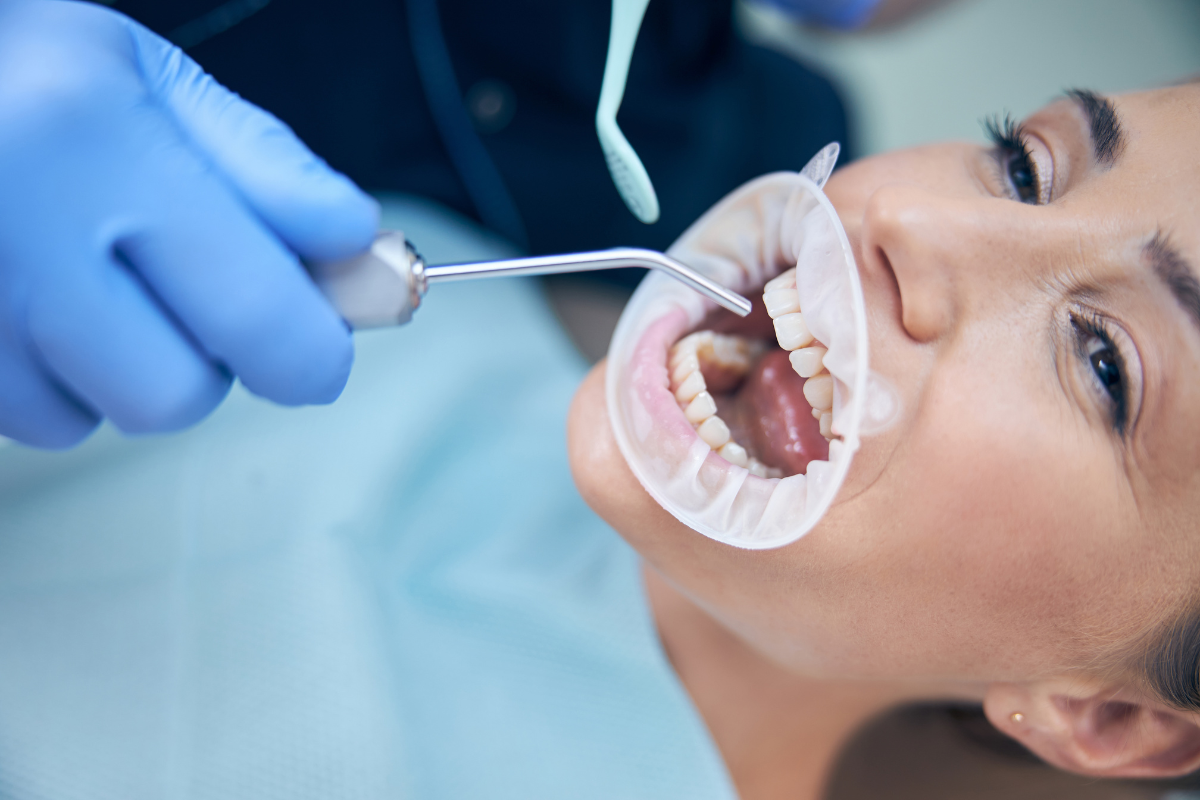
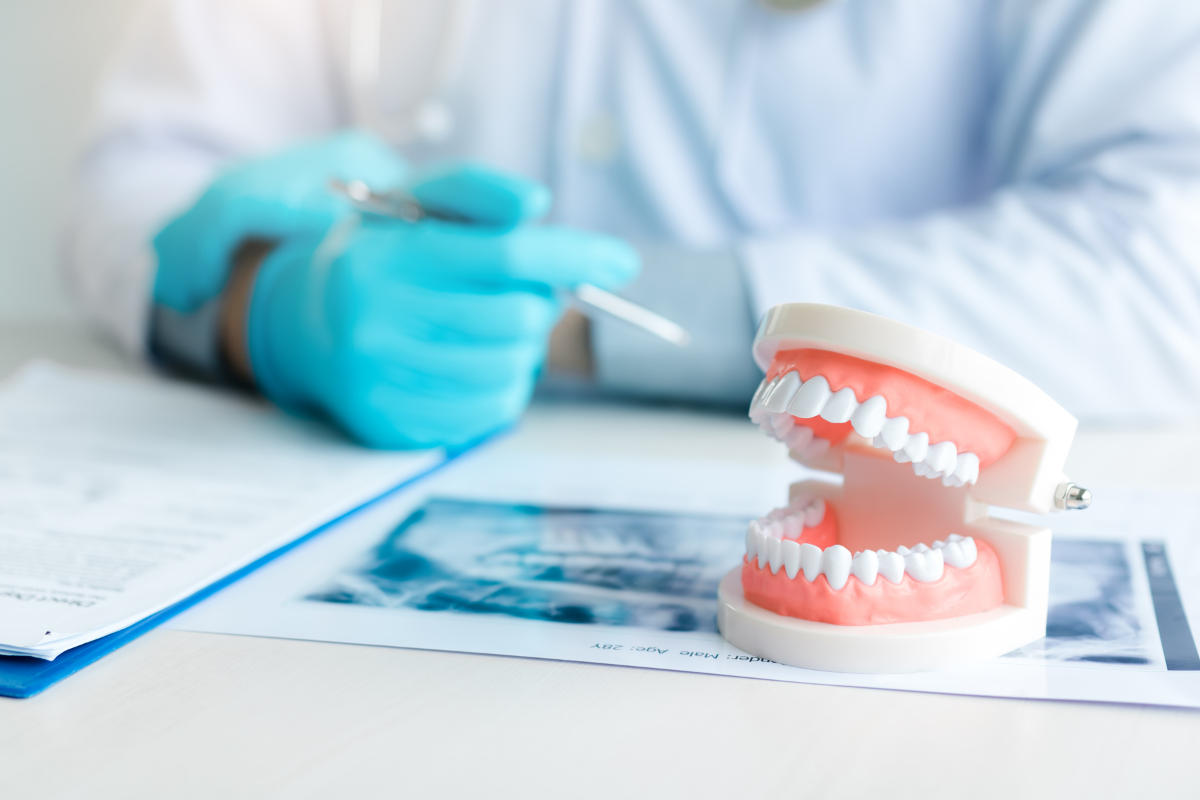
When you visit an orthodontist near me for a consultation about shifting teeth, they’ll start with a full evaluation. This typically includes X-rays, photos, and often a 3D scan of your mouth. They need to understand what caused the shift and how severe it is.
Based on this assessment, your orthodontist will recommend the best treatment approach. Here’s what modern orthodontic care offers for adults dealing with relapse:
Clear Aligners
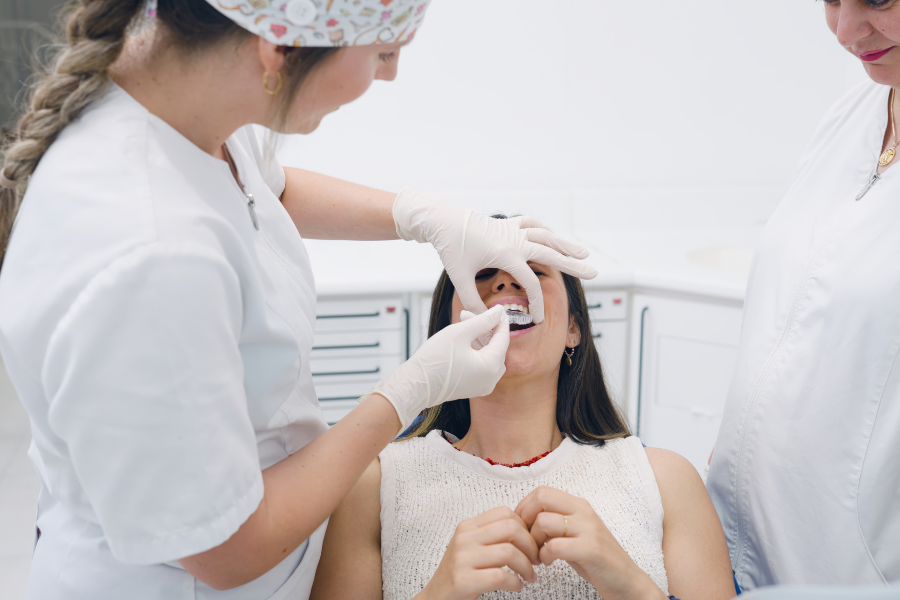
Clear aligners have become the go-to choice for many adults. These removable trays straighten your teeth without the metal brackets and wires. You wear each set for about two weeks before switching to the next one in the series.
The treatment time for relapse cases is often shorter than the original orthodontic work. Many adults finish in six to twelve months. Since the aligners are nearly invisible, most people won’t even notice you’re wearing them.
Traditional or Ceramic Braces
Some cases need the precision that braces provide. Modern braces are smaller and less noticeable than the ones you might remember from your teenage years. Ceramic braces use tooth-colored brackets that blend with your natural teeth.
Your orthodontist might suggest braces if you have significant bite issues or complex movements that aligners can’t handle as effectively.
Retainers Only
In minor cases where teeth have shifted just slightly, a new retainer might be all you need. Some patients wear a retainer full-time for a few months to guide teeth back into position. This works best when you catch the problem early.
Permanent Retainers
After correcting the relapse, your orthodontist will likely recommend a permanent retainer. This thin wire bonds to the back of your front teeth. You can’t see it when you smile, but it keeps your teeth from shifting again.
The Treatment Process
Once you choose a treatment plan, regular check-ins keep everything on track. With clear aligners, you might visit your orthodontist every six to eight weeks. With braces, appointments typically happen every four to six weeks.
During these visits, the orthodontist checks your progress and makes adjustments as needed. They’ll also answer questions and address any concerns you have about your treatment.
Benefits of Fixing Shifted Teeth
Straight teeth aren’t just about looks. When your bite is properly aligned, you reduce wear on your tooth enamel. You also decrease your risk of jaw pain, headaches, and TMJ disorders.
Crowded or crooked teeth are harder to clean thoroughly. This increases your chances of cavities and gum disease. Fixing alignment issues makes daily brushing and flossing more effective.
And yes, there’s the confidence factor. Most adults report feeling better about their smile after treatment. That confidence shows up in photos, job interviews, and daily interactions.
Cost and Insurance Considerations
Adult orthodontic treatment costs vary based on the complexity of your case and the treatment method. Many orthodontic offices offer payment plans that spread the cost over your treatment period.
Some dental insurance plans cover a portion of adult orthodontic work, especially if there’s a functional need beyond appearance. Check with your insurance provider to understand your benefits.
Health Savings Accounts (HSAs) and Flexible Spending Accounts (FSAs) can be used for orthodontic treatment, helping you manage the cost with pre-tax dollars.
Finding the Right Orthodontist
Look for an orthodontist with experience treating adult patients. Adult cases often involve different challenges than treating teenagers. You want someone who understands your lifestyle, concerns, and goals.
Check reviews from other adult patients. Ask about before-and-after photos of cases similar to yours. A consultation lets you ask questions and get a feel for the practice. Many orthodontists offer free consultations. Use this time to discuss your options, understand the timeline, and get cost estimates.
Frequently Asked Questions
1. How long does treatment take for relapsed teeth?
Most adult relapse cases take between six and eighteen months, depending on how far your teeth have shifted. Minor movements might need only a few months of treatment.
2. Is it harder to move teeth as an adult?
Adult teeth do move more slowly than children’s teeth because bone density is higher. However, modern orthodontic techniques work effectively at any age.
3. Can I fix relapse without braces or aligners?
Very minor shifts might respond to retainer wear alone, but most cases need active treatment with braces or aligners to achieve lasting results.
4. Will my teeth shift again after treatment?
Teeth can shift again without proper retainer use. Following your orthodontist’s retainer instructions is critical for maintaining your results long-term.
5. Does insurance cover treatment for relapsed teeth?
Coverage varies by plan. Some policies include orthodontic benefits for adults, particularly when there’s a medical need. Always verify your specific coverage before starting treatment.
6. How much does it cost to fix shifted teeth?
Costs typically range from $2,000 to $7,000, depending on treatment complexity and method. Clear aligners and braces fall within different price ranges based on your needs.
7. Can I straighten my teeth if I have dental work like crowns?
Yes, orthodontists regularly treat patients with crowns, bridges, and implants. They’ll design a treatment plan that works around your existing dental work.
8. What happens if I ignore shifting teeth?
Ignoring the problem usually leads to more shifting over time. This can affect your bite, cause uneven tooth wear, and make future treatment more complex and expensive.
Take Action for Your Smile
Your smile doesn’t have to stay stuck with shifted or relapsed teeth. Modern orthodontic solutions make treatment comfortable, relatively quick, and often quite discreet.
If you’ve noticed your teeth moving or your old retainer no longer fits, don’t wait. The sooner you address the issue, the simpler the solution typically is. Search for an “orthodontist near me” to find qualified professionals in your area who can evaluate your specific situation.
Ready to restore your smile? Schedule a consultation with a local orthodontist today. Most offices offer free initial visits where you can explore your options, understand the timeline, and plan your path to a confident, healthy smile once again.