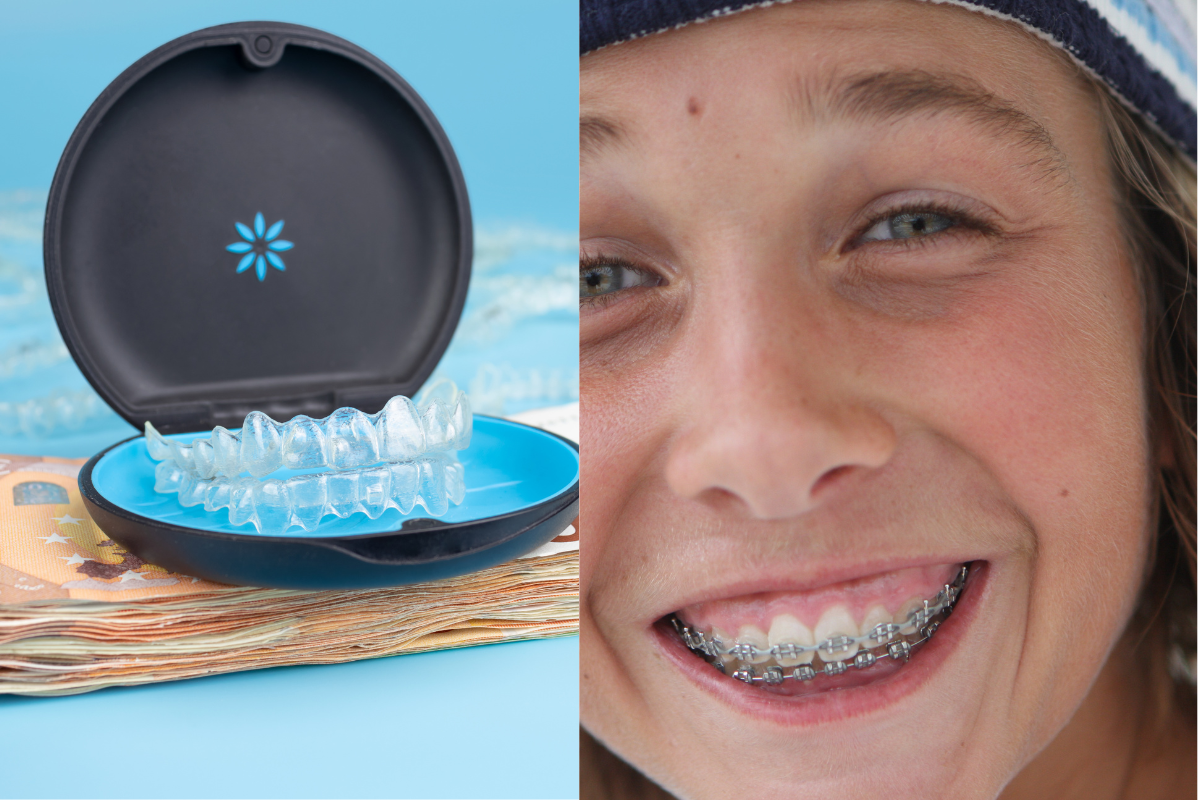
Every parent wants their child to have a healthy smile. When teeth are crowded, spaced too far apart, or not lining up correctly, orthodontic treatment can help. The challenge for many families is deciding between clear aligners and traditional braces.
If you are exploring treatment options, you may have searched for an orthodontist near me and noticed that both Invisalign and braces are common choices. Each option has benefits, and the right one depends on your child’s needs, lifestyle, and treatment goals.
This guide will help you understand the differences so you can make a confident decision for your child.
Why Early Orthodontic Care Matters
Children’s teeth and jaws continue to grow throughout their younger years. Addressing alignment issues early can help guide proper development and reduce the chance of more complex problems later.
Many families in the area visit orthodontic offices during routine dental checkups to learn whether treatment is needed. Early evaluations can identify issues such as:
- Crowded teeth
- Bite problems
- Gaps between teeth
- Jaw alignment concerns
- Difficulty cleaning teeth properly
A trusted orthodontic team can recommend the best treatment based on your child’s unique smile.
Understanding Invisalign
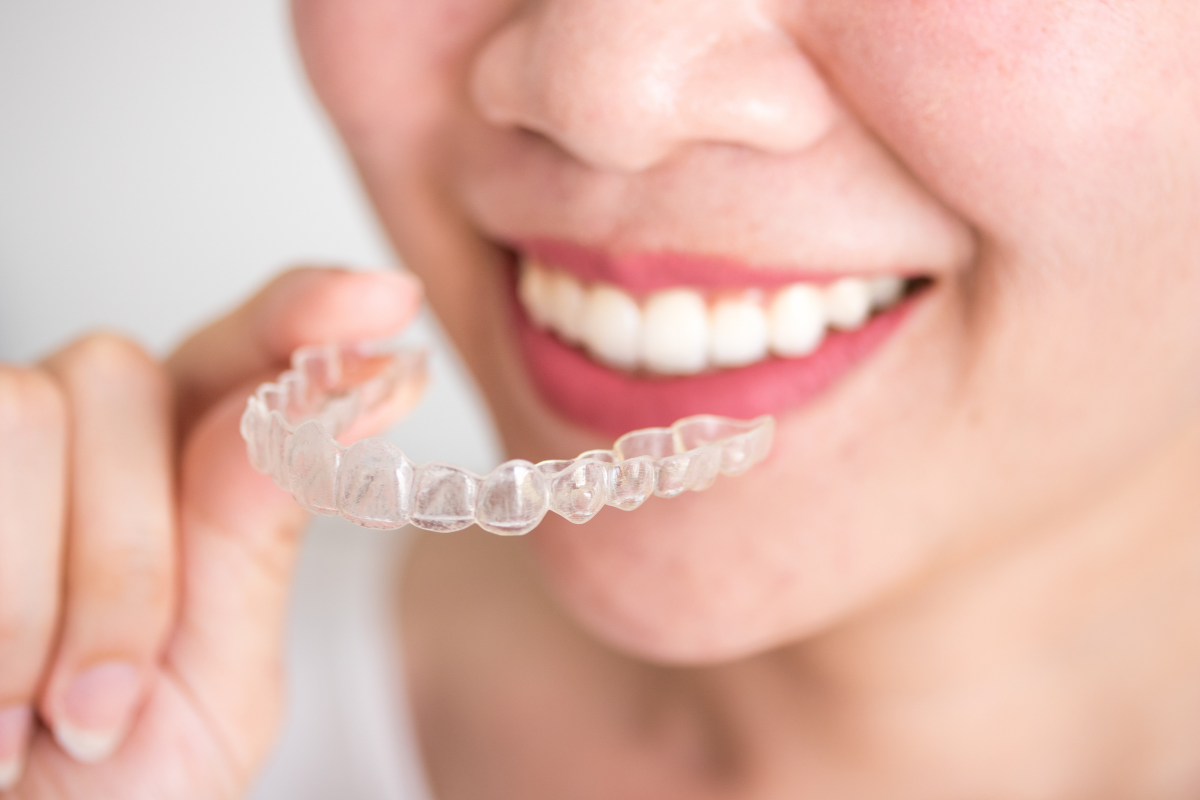
Invisalign uses a series of clear plastic aligners that gradually move teeth into place. The aligners are custom-made and replaced every few weeks as treatment progresses.
Many parents ask about invisalign in enid because clear aligners are less noticeable than metal braces and fit easily into daily life.
Benefits of Invisalign
- Nearly invisible appearance
- Removable for eating and brushing
- No metal brackets or wires
- Comfortable smooth plastic design
- Fewer emergency visits for broken appliances
Challenges of Invisalign
- Must be worn as instructed every day
- Can be misplaced or damaged
- Not ideal for every orthodontic case
- Requires responsibility from the child
Children who are organized and willing to follow instructions often do well with Invisalign treatment.
Understanding Traditional Braces
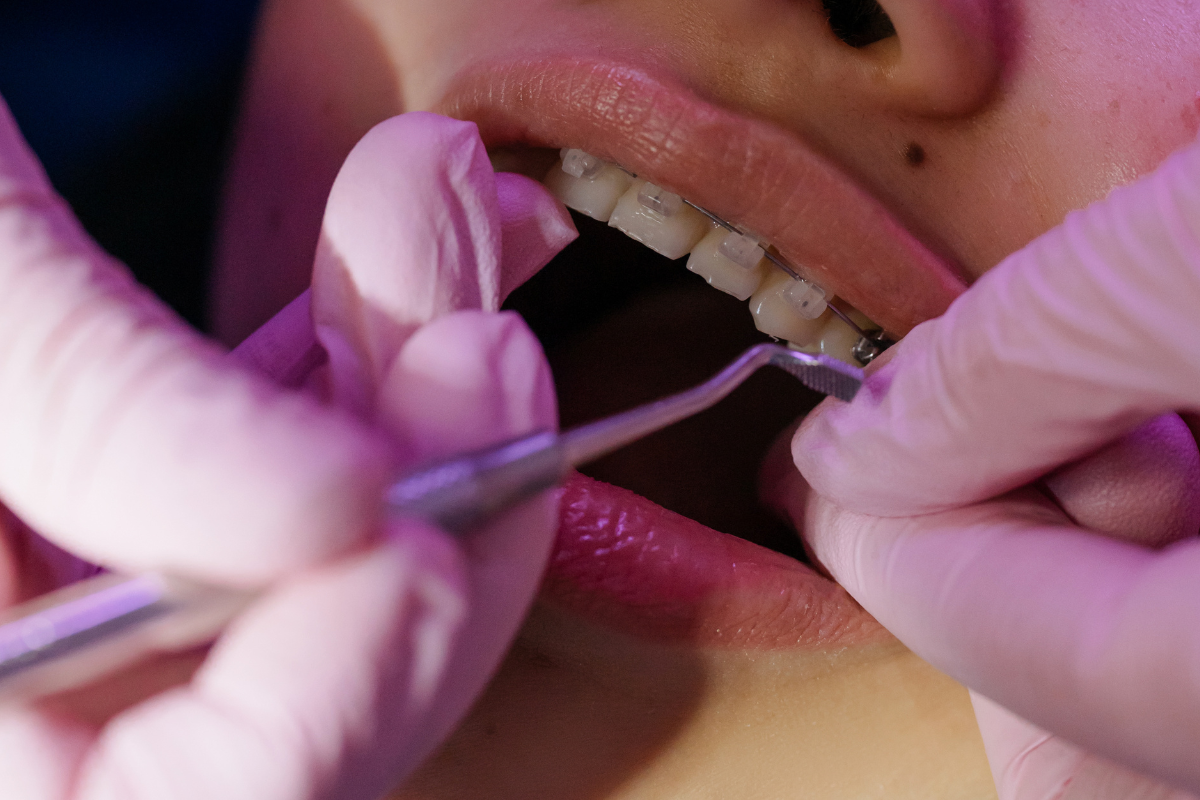
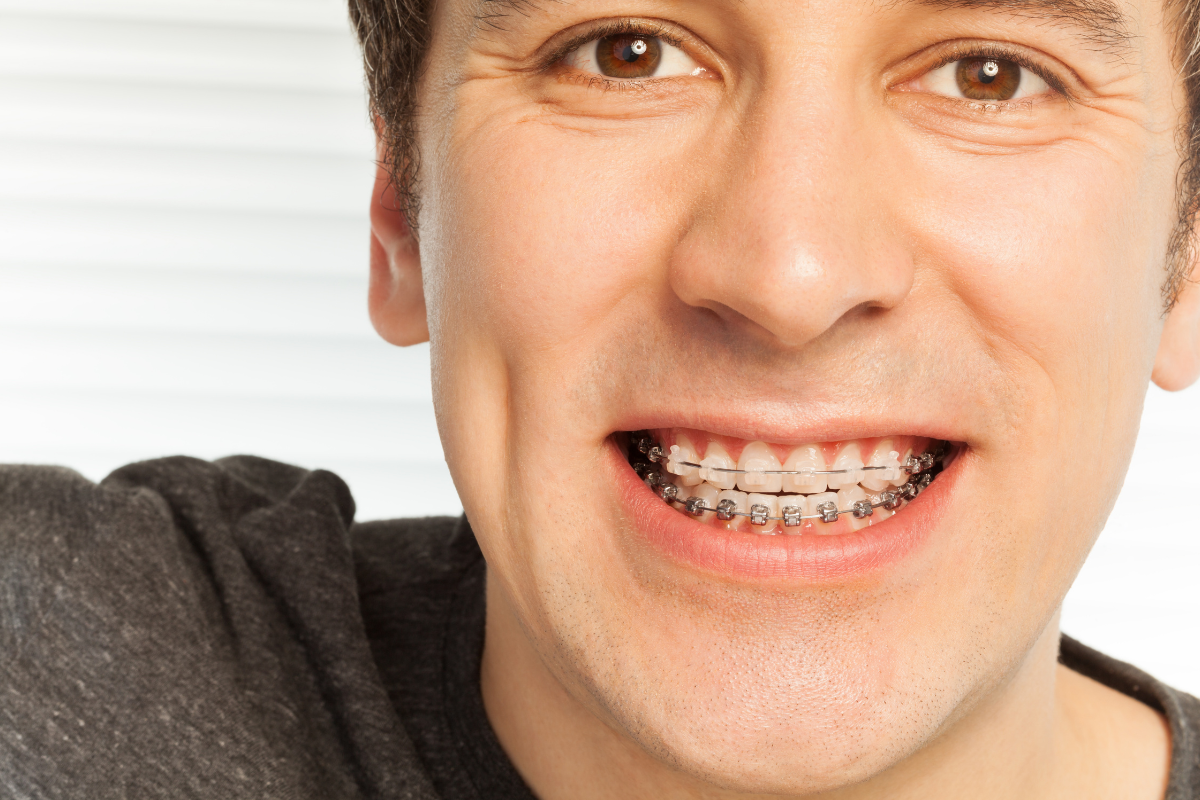
Braces use brackets and wires to move teeth into proper alignment. They have been used successfully for decades and remain one of the most reliable orthodontic treatments available.
Many local families continue to choose braces enid because braces can address a wide range of orthodontic concerns.
Benefits of Braces
- Effective for simple and complex cases
- Always working because they stay attached
- No risk of losing aligners
- Suitable for children who may forget to wear removable appliances
Challenges of Braces
- More visible than clear aligners
- Food restrictions may apply
- Extra care is needed during brushing and flossing
- Brackets or wires can occasionally need repair
Questions to Ask Before Choosing
The best choice often comes down to your child’s habits and orthodontic needs.
Consider these questions:
How Complex Is the Case?
Some alignment issues respond well to clear aligners, while others may benefit more from braces.
An experienced orthodontic provider can determine whether invisalign in enid or braces will produce the best long-term result.
Is Your Child Responsible?
Since aligners can be removed, children must remember to wear them consistently.
If your child tends to lose items or forget routines, traditional braces may be the better option.
What Are Your Child’s Preferences?
Many kids and teens prefer the appearance of clear aligners. Others do not mind braces and appreciate that they do not have to remember to put them back in after meals.
How Active Is Your Child?
Children involved in sports often appreciate the comfort of clear aligners. However, both treatment options can work well with proper protective equipment.
Comparing Daily Life With Each Option
Eating and Drinking
With Invisalign, aligners are removed before meals.
With braces, certain foods such as hard candies, popcorn, and sticky snacks should be avoided.
Oral Hygiene
Aligners make brushing and flossing easier because they are removable.
Braces require more attention around brackets and wires.
School and Social Activities
Many families considering invisalign in enid appreciate that aligners are difficult to notice in photos, school events, and social activities.
Braces remain a popular option and are often chosen because of their proven effectiveness.
What Local Families Often Consider
Parents in communities throughout the region have access to several orthodontic practices. While many clinics offer quality care, families often look for providers who combine experience, personalized treatment planning, and ongoing support throughout the process.
At Schuessler Orthodontics, which serves families in Stillwater, Ponca City, and Enid, treatment recommendations are based on the individual child rather than a one-size-fits-all approach.
Whether parents are considering braces enid or clear aligners, the focus should always remain on achieving healthy, lasting results.
Cost Considerations
Treatment costs vary depending on the complexity of the case and treatment length.
Many parents searching for an orthodontist near me ask whether Invisalign costs more than braces. In some situations, costs are similar. In others, there may be differences based on treatment needs.
Most orthodontic offices offer payment plans and work with insurance benefits when available.
Signs Your Child May Be Ready for Treatment
You may want to schedule an evaluation if your child has:
- Crooked teeth
- Bite issues
- Difficulty chewing
- Speech concerns related to alignment
- Teeth that appear overcrowded
- Large gaps between teeth
A professional assessment can help determine whether braces enid or Invisalign would be the better fit.
Making the Right Choice for Your Child
There is no universal answer when choosing between Invisalign and braces. The right treatment depends on your child’s smile, daily habits, and orthodontic goals.
Families researching orthodontist near me often discover that the most important factor is working with a team that takes time to explain all available options.
If your child is responsible and prefers a less noticeable treatment, invisalign in enid may be a great choice. If a case requires more control or your child may struggle with removable aligners, braces enid could be the better solution.
To learn which option is best for your child, schedule an consultation with Schuessler Orthodontics. A personalized evaluation can help you make an informed decision and create a treatment plan that supports a healthy smile for years to come.
Frequently Asked Questions
1. At what age should a child have an orthodontic evaluation?
Many children benefit from an orthodontic evaluation around age seven, although treatment may begin later depending on their needs.
2. Are clear aligners suitable for all children?
No. Some cases respond very well to aligners, while others may require traditional braces for better results.
3. How long does orthodontic treatment usually take?
Treatment time varies, but many patients wear braces or aligners for one to three years.
4. Do braces hurt?
Patients may experience mild soreness after adjustments, but the discomfort usually fades within a few days.
5. Can children play sports during treatment?
Yes. Children can continue sports activities and may be advised to wear a protective mouthguard.
6. How often are orthodontic appointments needed?
Most patients visit the orthodontist every few weeks to monitor progress and make necessary adjustments.
7. Is oral hygiene important during treatment?
Yes. Good brushing and flossing habits help prevent cavities and keep gums healthy throughout treatment.
8. Can orthodontic treatment improve confidence?
Many children feel more confident after treatment because they are happier with the appearance and function of their smile.