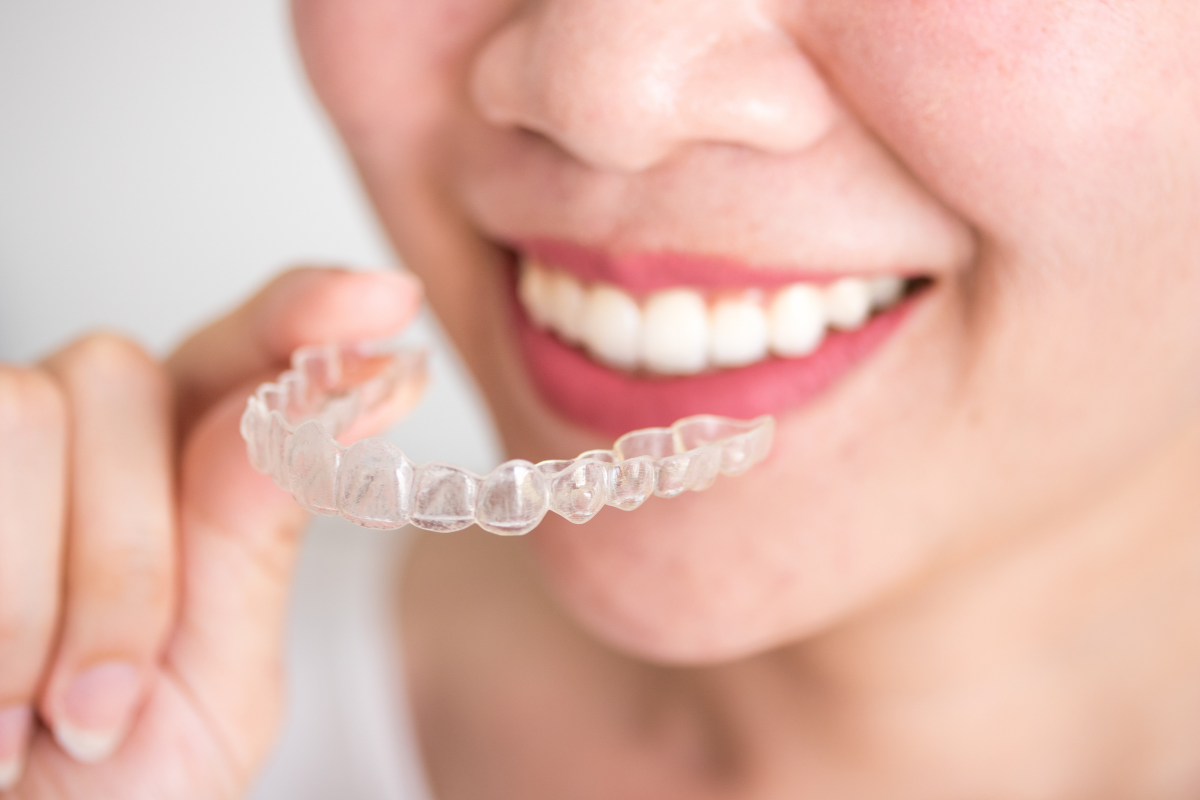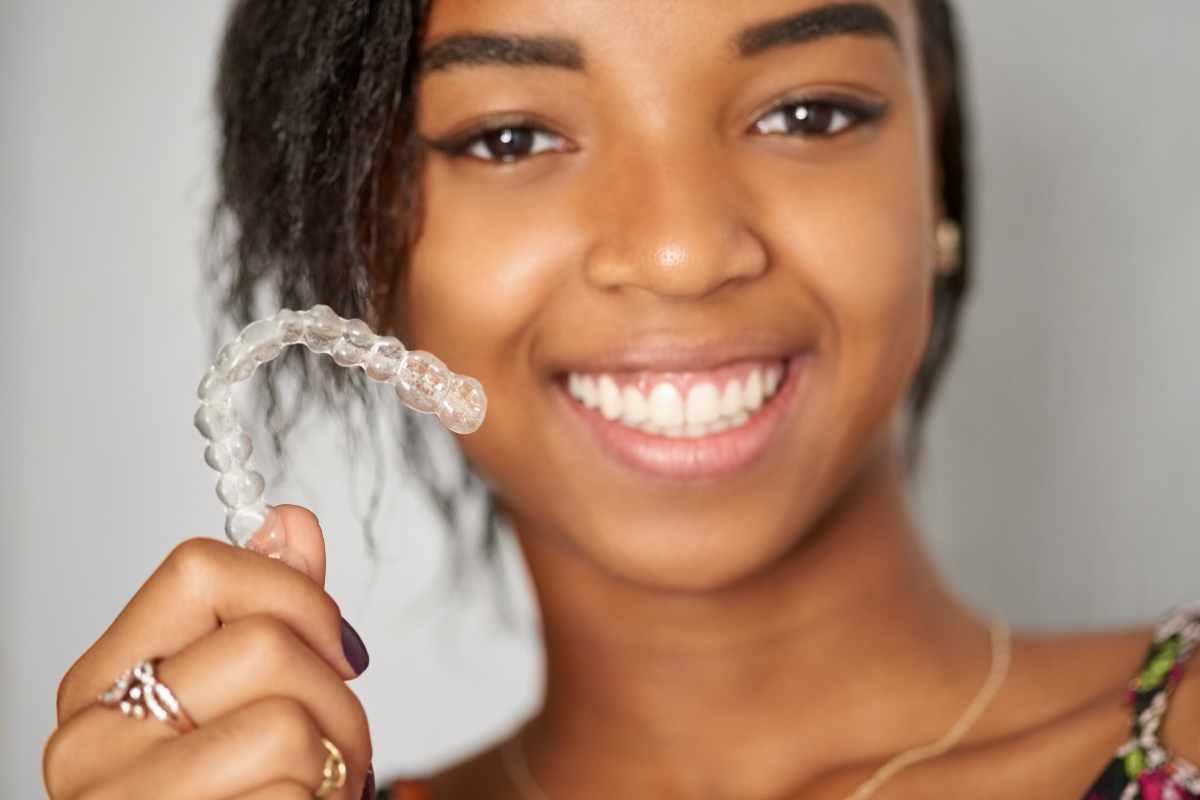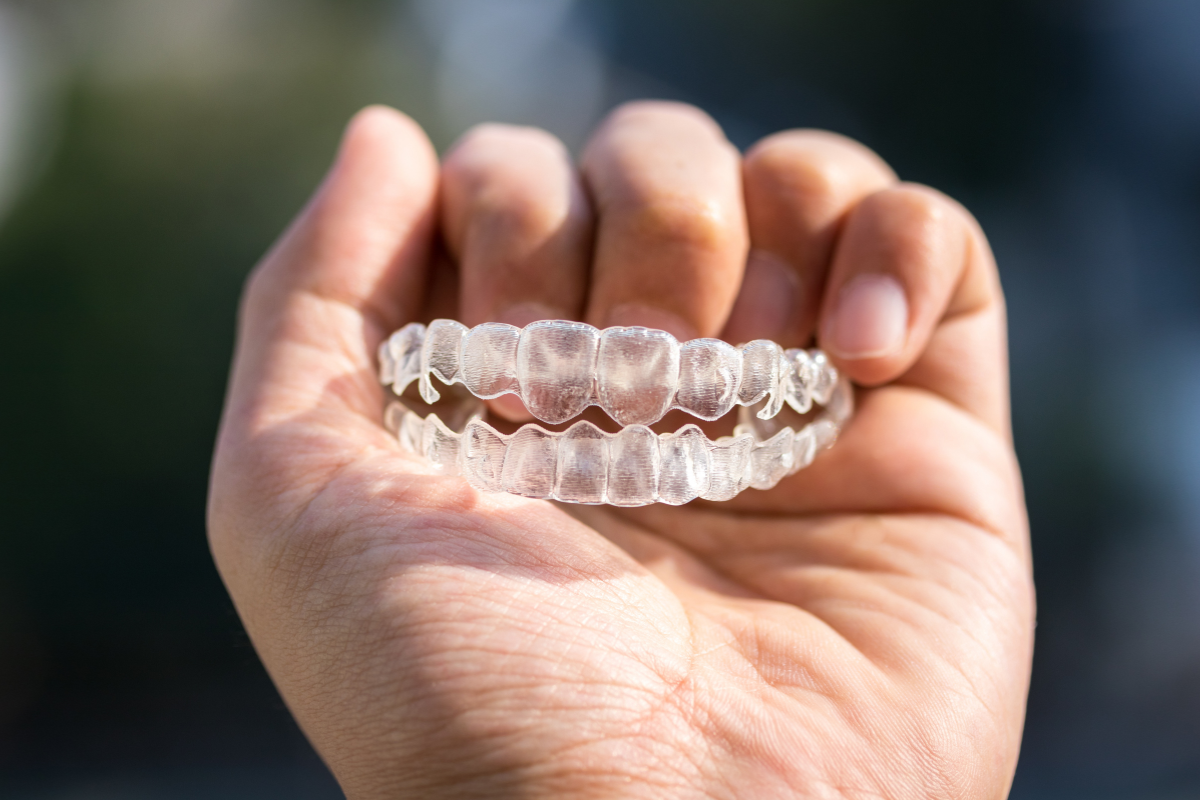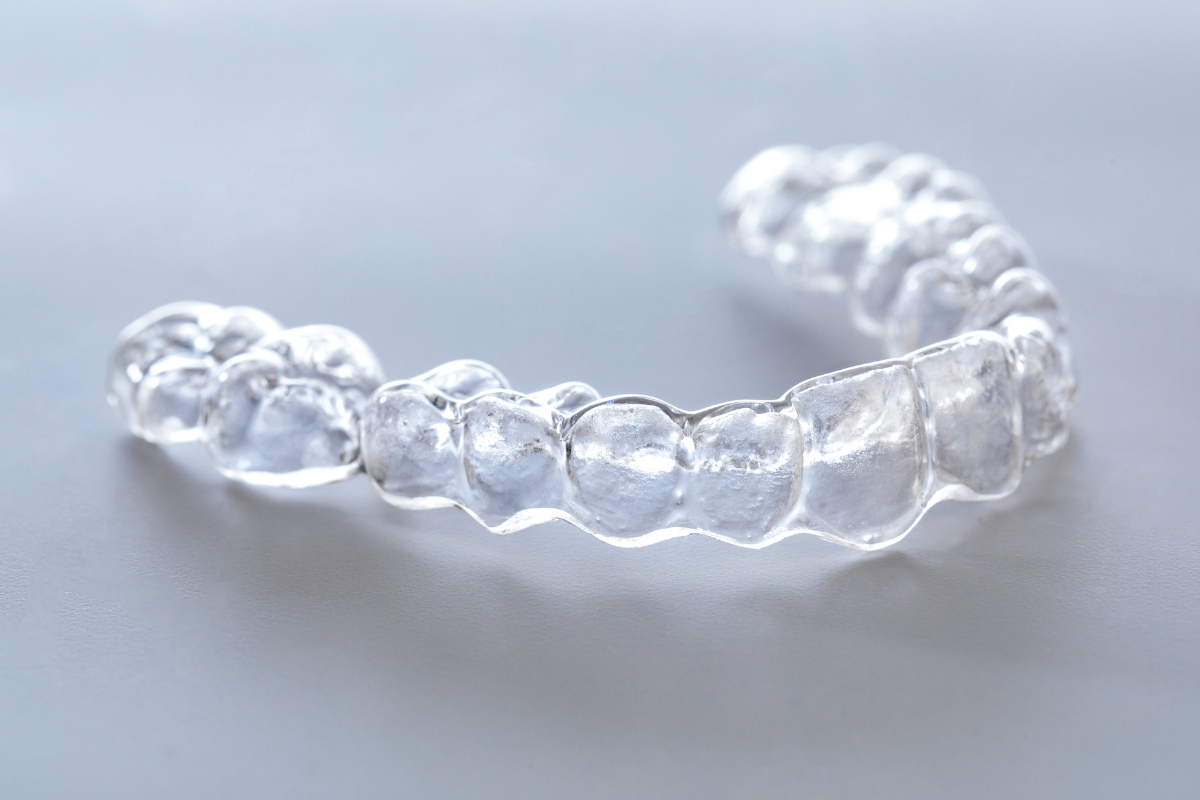
If you’ve recently started Invisalign treatment, or you’re thinking about it, you might have heard about rubber bands. Most people assume Invisalign is just about clear trays, nothing else. But that’s not always the case.
Rubber bands are a common part of orthodontic treatment, and yes, they can be used with Invisalign too. Understanding why and how they work will help you feel more confident about your smile journey.
Why Rubber Bands Are Used in Orthodontic Treatment
Rubber bands (also called elastics) apply extra force to move your teeth and jaw into the right position. While Invisalign aligners handle the movement of individual teeth, they can’t always fix bite problems on their own.
That’s where rubber bands come in. They connect the upper and lower trays, creating gentle pressure that guides your jaw alignment. This is especially useful for patients with overbites, underbites, or crossbites.
If you’ve been searching for an local orthodontist and wondering what modern treatment looks like, the answer often includes a combination of aligners and elastics working together.
How Rubber Bands Attach to Invisalign Trays
Unlike traditional braces where rubber bands hook onto metal brackets, Invisalign uses small attachments. These are tooth-colored bumps that your orthodontist bonds directly to certain teeth. The rubber bands hook onto these attachments, or in some cases onto small cuts (hooks) built into the aligner tray itself.
Your orthodontist will show you exactly how to place and remove them. It takes a little practice at first, but most patients get the hang of it within a few days.
Here’s what the process typically looks like:
- Your aligners are fitted with attachment points or hooks
- You receive a bag of elastics and a chart showing where they go
- You change them out at least once a day (or as directed)
- You wear them consistently, even while sleeping unless told otherwise
What to Expect When You Start Wearing Them
The first few days can feel a little strange. You might notice some extra pressure or mild soreness. That’s normal, it means the elastics are doing their job.
A few things to keep in mind:
They need to be worn consistently
Skipping hours or forgetting them often sets your progress back. Your treatment plan depends on regular, steady force.
You remove them when eating or drinking anything other than water
Put them back in right after.
Always carry extras
Elastics snap or get lost. Your orthodontist will give you a supply, but it’s smart to keep some in your bag or car.
Many patients at orthodontic practices across Oklahoma start noticing bite improvements within a few months of consistent wear. Results vary, but staying on track makes a real difference.
Common Bite Issues That Rubber Bands Help Fix
Not every Invisalign patient needs rubber bands. But if your orthodontist recommends them, it’s likely for one of the following reasons:
Overbite: Your upper front teeth close too far over the lower ones.
Underbite: Your lower jaw sits too far forward.
Crossbite: Some upper teeth sit inside the lower teeth when you bite down.
Open bite: Your upper and lower teeth don’t fully meet in the front.
These bite issues affect more than appearance. They can cause jaw pain, uneven wear on teeth, and trouble chewing. Rubber bands are one of the most effective tools for correcting them without surgery.
For those exploring invisalign in enid or other nearby areas, know that bite correction is absolutely achievable with the right plan from a qualified orthodontist.
What Happens If You Don’t Wear Them as Directed
This is a big one. Rubber bands only work when you wear them. If you skip them or take them out for long stretches, your teeth and jaw won’t shift the way they’re supposed to.
In some cases, inconsistent wear can actually cause your teeth to relapse. Meaning they move back to where they were before. That means longer treatment time and possibly additional trays.
Your orthodontist will check your progress at each visit. If things aren’t moving as expected, the first question they’ll ask is how consistently you’ve been wearing your elastics. Honesty here really helps everyone.
Invisalign with Rubber Bands vs. Traditional Braces
A common question is whether Invisalign with rubber bands is still better than traditional braces. For most patients, the answer is yes, for a few good reasons.
Invisalign trays are removable, making eating, brushing, and flossing much easier. The attachments and elastics are far less noticeable than metal brackets and wires. And the treatment process tends to be more comfortable overall.
That said, both options are effective. The right choice depends on your specific bite, your lifestyle, and what your orthodontist recommends.
If you’re looking for an orthodontist near me who can walk you through both options honestly, finding someone who offers both treatments is a smart move. It means they’ll recommend what actually works for you, not just what’s available.
Tips to Make the Process Easier
A few habits can help you stay on track with your rubber bands:
- Set a phone reminder to change your elastics every morning
- Keep a small bag of extras in your purse, backpack, or glove box
- Rinse your aligners and remove elastics before every meal
- Do a quick mirror check after putting your trays back in to make sure everything’s hooked properly
- Tell your orthodontist right away if elastics feel too tight, too loose, or are breaking often
Most patients find that after the first week or two, the routine becomes second nature.
Local Orthodontic Care Across Oklahoma
Oklahoma has a solid network of dental and orthodontic providers, especially in cities like Enid, Stillwater, and Ponca City. Families in these areas have access to general dentists, pediatric specialists, and orthodontists who handle everything from minor crowding to complex bite correction.
Still, the level of experience and range of services can vary a lot from one practice to another. Patients searching for invisalign in enid or general orthodontic care often find that choosing a dedicated orthodontic practice (rather than a general dentist offering Invisalign on the side) makes a meaningful difference in results.
Schuessler Orthodontics serves patients across Stillwater, Ponca City, and Enid with a focus on personalized treatment. Whether you need full Invisalign treatment, rubber band therapy, or just an honest evaluation of your bite, the team offers real, patient-centered care.
When you’re looking for an orthodontist near me with experience handling bite correction alongside clear aligner treatment, it’s worth choosing a practice where orthodontics is the only focus.
Frequently Asked Questions
1. Do all Invisalign patients need rubber bands?
No. Rubber bands are only added when there’s a bite issue that aligners alone can’t fix. Your orthodontist will let you know if you need them.
2. How long do I need to wear rubber bands each day?
Most orthodontists recommend 20 to 22 hours a day, removing them only to eat or clean your teeth.
3. Will rubber bands make my treatment take longer?
Not if you wear them consistently. In fact, they help treatment stay on track by correcting bite problems that would otherwise slow things down.
4. Do elastics hurt?
Some mild soreness is normal in the first few days. It usually fades quickly as your mouth adjusts.
5. Can I sleep with rubber bands in?
Yes, most orthodontists recommend wearing them while you sleep unless you’re told otherwise.
6. What if I run out of rubber bands?
Call your orthodontist’s office. They’ll provide more. Don’t skip wearing them while you wait.
7. How do I know if my rubber bands are in the right position?
Your orthodontist will give you a diagram or show you in person. If something feels off or different from usual, check in with the office.
8. Can I switch from braces to Invisalign with rubber bands mid-treatment?
In some cases, yes. This depends on how far along you are and what your bite looks like. Your orthodontist can assess this during a consultation.
Conclusion
Invisalign with rubber bands is a proven, comfortable way to correct both tooth alignment and bite issues. The key is consistency. Wearing your elastics as directed, keeping up with appointments, and staying honest with your orthodontist makes a real difference in how your treatment goes.
If you’ve been looking into invisalign in enid or exploring your options for a straighter smile and better bite, getting a professional evaluation is the right first step. Schedule a consultation with Schuessler Orthodontics to find out if Invisalign with rubber bands is the right fit for you. With locations in Stillwater, Ponca City, and Enid, getting the care you need is straightforward. The team will walk you through every part of your treatment, answer your questions, and build a plan that works for your life.