Orthodontics is not just about getting straight teeth; it also helps to improve your bite, alleviate jaw pain, and prevent future dental issues. In this blog post, we will discuss everything you need to know about orthodontic treatment, including when to see an orthodontist and what to expect during treatment. So sit back, relax and let’s dive into the world of orthodontics!
What Is Orthodontic Treatment?
Orthodontic treatment is a dental procedure that focuses on correcting misaligned teeth and jaws. The main goal of this treatment is to improve the patient’s bite, appearance, and overall oral health. Orthodontics addresses issues such as crooked or overcrowded teeth, overbites, underbites, and crossbites.
Orthodontic treatment usually begins in adolescence when all permanent teeth have grown in; however, it can also be done for adults who want to enhance their smile or alleviate jaw pain.
When To See An Orthodontist
Orthodontic treatment can be life-changing for individuals who suffer from jaw pain, crooked teeth, or other dental issues. If you’re considering orthodontic treatment, it’s important to know when to see an orthodontist.
First and foremost, if you experience any discomfort in your mouth or jaw area, it’s best to schedule a consultation with an orthodontist. Pain during eating or talking could indicate a more serious problem that needs addressing.
Additionally, if you have crowded or misaligned teeth that affect the appearance of your smile, seeking out an orthodontist is recommended. Your self-confidence may improve significantly after undergoing treatment.
Anyone who experiences discomfort in their mouth or has concerns about the appearance of their teeth should consider scheduling a visit with an experienced and reputable orthodontist.
What To Expect During Treatment
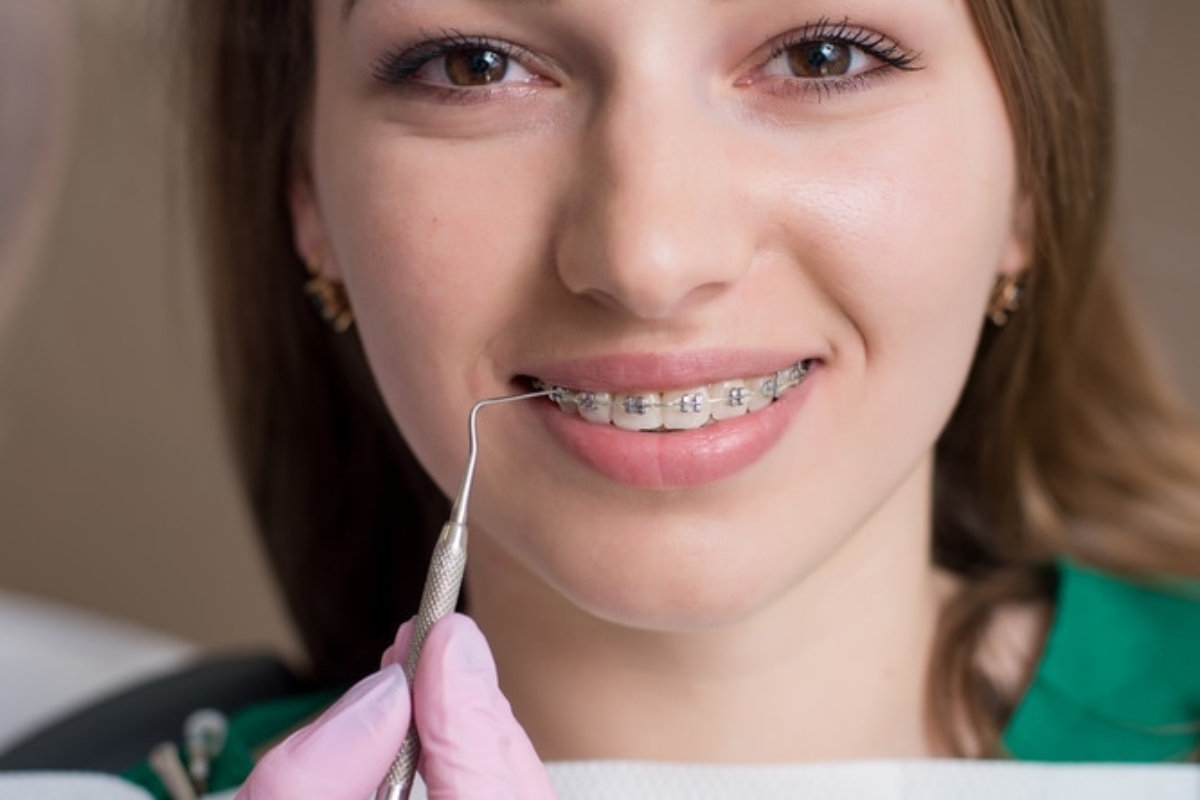
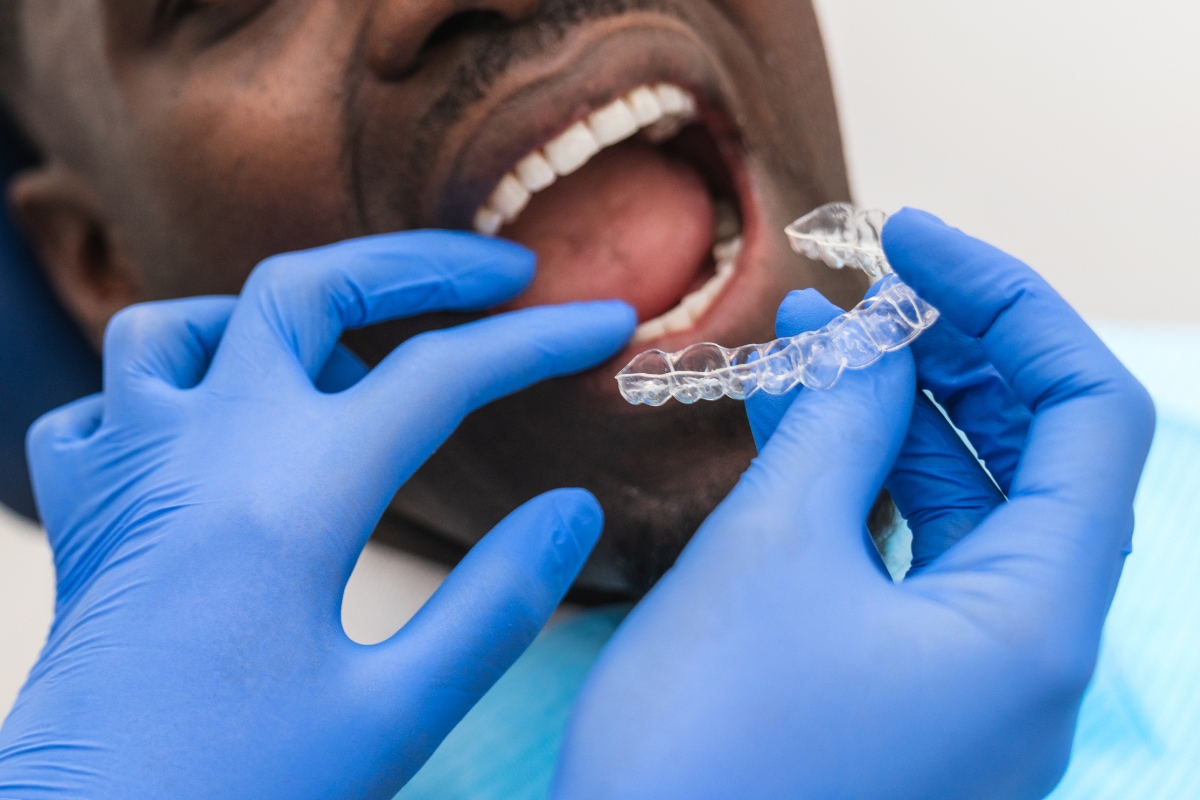
Orthodontic treatment is a process that involves the use of braces or aligners to correct misaligned teeth and jaws. The first step in this process is the initial consultation with an orthodontist, where they will assess your oral health and determine if you are a good candidate for treatment.
Once you have been approved for treatment, your orthodontist will create a customized treatment plan that outlines the specific steps involved in achieving your desired results. This may involve wearing braces or aligners for a certain period of time, as well as regular check-ups to ensure that everything is progressing according to plan.
During treatment, it’s important to maintain good oral hygiene practices such as brushing and flossing regularly, as well as avoiding sticky or hard foods that can damage your braces. You may also experience some discomfort during the adjustment phase when your braces are tightened or adjusted.
However, most patients find that any discomfort they experience during treatment is outweighed by the benefits of having straighter teeth and improved jaw alignment. With proper care and attention throughout the process, you can expect great results from orthodontic treatment!
After Treatment: Follow-Up Instructions
After completing orthodontic treatment, it’s important to follow-up with your orthodontist for proper maintenance and care. This helps to ensure that your teeth remain in the correct position and prevent any relapse.
Be sure to attend all scheduled follow-up appointments with your orthodontist. They will monitor your progress, check for any potential issues, and ensure that everything is progressing as it should be.
The Bottom Line
If you are experiencing jaw pain, an orthodontic treatment may be the solution. Not only can it alleviate discomfort and improve your bite, but it can also enhance your smile and overall oral health. However, it is crucial to seek professional help from a qualified orthodontist who will assess your individual needs and recommend the best course of action.Remember that orthodontic treatment requires commitment and patience, but the results are worth it. With proper care and maintenance after treatment, you can enjoy a healthy smile for years to come. Don’t let jaw pain control your life – take charge of your oral health today.