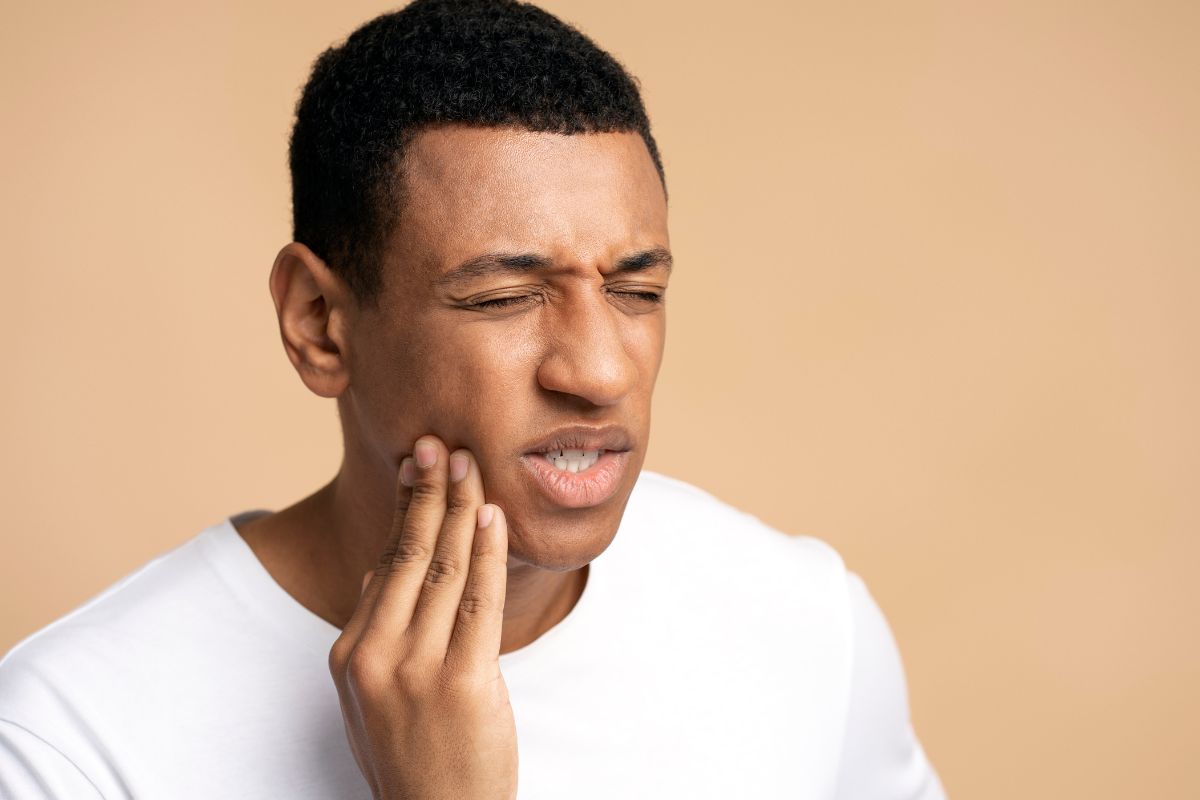
Do you ever wake up with a sore jaw or headache, wondering what could be causing your discomfort? The answer may lie in the connection between TMJ and bruxism. TMJ, short for temporomandibular joint disorder, is a condition that affects the joints connecting your jawbone to your skull. Bruxism, on the other hand, refers to teeth grinding or clenching of the jaw. While these two conditions are separate entities, they often go hand in hand.
What Is TMJ?
TMJ, stands for temporomandibular joint disorder and refers to a condition affecting the jaw joints. These joints connect your mandible (lower jaw) to your skull’s temporal bone. TMJ is quite common and affects millions of people worldwide.
The exact cause of TMJ is not always clear, but it can stem from multiple factors such as genetics, injury or damage to the jaw area, arthritis in the joint or muscle tension caused by stress.
Symptoms of TMJ include pain around the ears and temples that radiates down towards the neck, stiffness in your jaw muscles while chewing food or talking. You may also experience difficulty opening and closing your mouth fully.
If you notice any signs of TMJ symptoms like clicking sounds when you open/close your mouth or feel discomfort around the ear area regularly; it’s best to seek professional help immediately. A dentist will examine your oral cavity thoroughly and suggest treatments accordingly based on their diagnosis.
What Are The Causes Of TMJ?
TMJ, also known as temporomandibular joint disorder, can be caused by a variety of factors. One common cause is stress and tension in the jaw muscles, which can lead to clenching or grinding teeth (bruxism). This repetitive motion puts pressure on the TMJ, causing pain and discomfort.
Another cause of TMJ is injury or trauma to the jaw joint. This can occur from a sports injury, car accident or other physical impact that affects the alignment of the jaw bones. Poor posture and incorrect bite alignment are also potential causes of TMJ.
Arthritis and other degenerative joint diseases can contribute to TMJ symptoms as well. These conditions affect cartilage within joints leading to stiffness and inflammation around sensitive areas such as nerves.
Additionally, certain habits like biting nails or chewing gum excessively have been associated with increased risk for developing TMD over time due to long-term strain on your jaw muscles.
It’s important to identify what might be causing your TMJ symptoms in order to properly treat it. A dentist will evaluate various factors including medical history and exam results before working towards an individualized treatment plan tailored specifically for you.
What Are The Symptoms Of TMJ?
TMJ disorder can cause a variety of symptoms that can range from mild discomfort to severe pain. One of the most common symptoms is jaw pain, which may be felt in the joint itself or in nearby muscles and tissues. Some people with TMJ disorder also experience headaches or earaches, particularly on one side of the head.
Another symptom of TMJ disorder is clicking or popping sounds when opening or closing the mouth. This can occur because the disc inside the joint has moved out of its proper position. In some cases, it may even lock into place, making it difficult to open or close your mouth at all.
Other possible symptoms include facial swelling and difficulty chewing food properly. You might also notice that your bite feels off – for example, your upper and lower teeth may not fit together as well as they used to.
If you’re experiencing any of these symptoms, it’s important to see a dentist who specializes in treating TMJ disorders. With proper diagnosis and treatment, many people find relief from their symptoms and are able to get back to normal daily activities without discomfort.
How Does Bruxism Impact TMJ?
Bruxism, or teeth grinding and clenching, can have a significant impact on TMJ. When someone grinds their teeth, it puts pressure on the temporomandibular joint (TMJ) which connects the jawbone to the skull.
This constant pressure can cause inflammation in the joint and surrounding tissues leading to pain in the jaw area. If left untreated, bruxism can worsen TMJ symptoms and even lead to more serious problems such as misaligned bite or damaged teeth.
Additionally, bruxism can also cause muscle tension in the face and neck which further aggravates TMJ pain. Chronic grinding of teeth may result in worn-down enamel exposing sensitive areas of teeth that could be painful when eating or drinking.
Therefore, if you experience any signs of bruxism like soreness around your jaws or headaches accompanied by tooth sensitivity then it’s important to seek treatment from a dentist who specializes in treating both TMJ dysfunction and Bruxism.
What Can Be Done To Treat TMJ And Bruxism?
There are several treatment options available for TMJ and bruxism. The type of treatment recommended will depend on the severity of the condition and specific symptoms experienced by individuals.
One common approach is to use a splint or mouthguard that helps to protect teeth from further damage caused by grinding or clenching. These devices fit over your upper or lower teeth, keeping them apart while you sleep, reducing pressure on your jaw joints.
Physical therapy exercises can also be helpful in treating TMJ. These exercises help to strengthen muscles around the jaw area and improve joint mobility, which can ultimately reduce pain and discomfort in the long run.
In more severe cases where other treatments have failed, surgery may be required as a last resort. Surgery typically involves repairing damaged tissue around the jaw joint or realigning the jaw through orthodontic procedures.
It’s important to note that managing stress levels can also play a role in alleviating symptoms related to TMJ and bruxism. Relaxation techniques such as meditation or yoga may help control tension in muscles throughout the body including those associated with chewing.
It’s crucial to work closely with a healthcare professional when seeking treatment for TMJ and bruxism since each case may require an individualized approach based on specific needs.
The Bottom Line
TMJ and bruxism are two conditions that often go hand in hand. While the symptoms of both can be uncomfortable and even painful, there are treatment options available to alleviate the discomfort.
If you suspect that you may have TMJ or bruxism, it’s important to speak with your dentist or healthcare provider as soon as possible. They can help determine the underlying cause of your condition and recommend appropriate treatment methods.
By taking steps to manage these conditions early on, you can prevent further damage to your teeth and jaw while reducing pain and discomfort. With proper care and attention, you can get back to feeling comfortable and confident in no time.