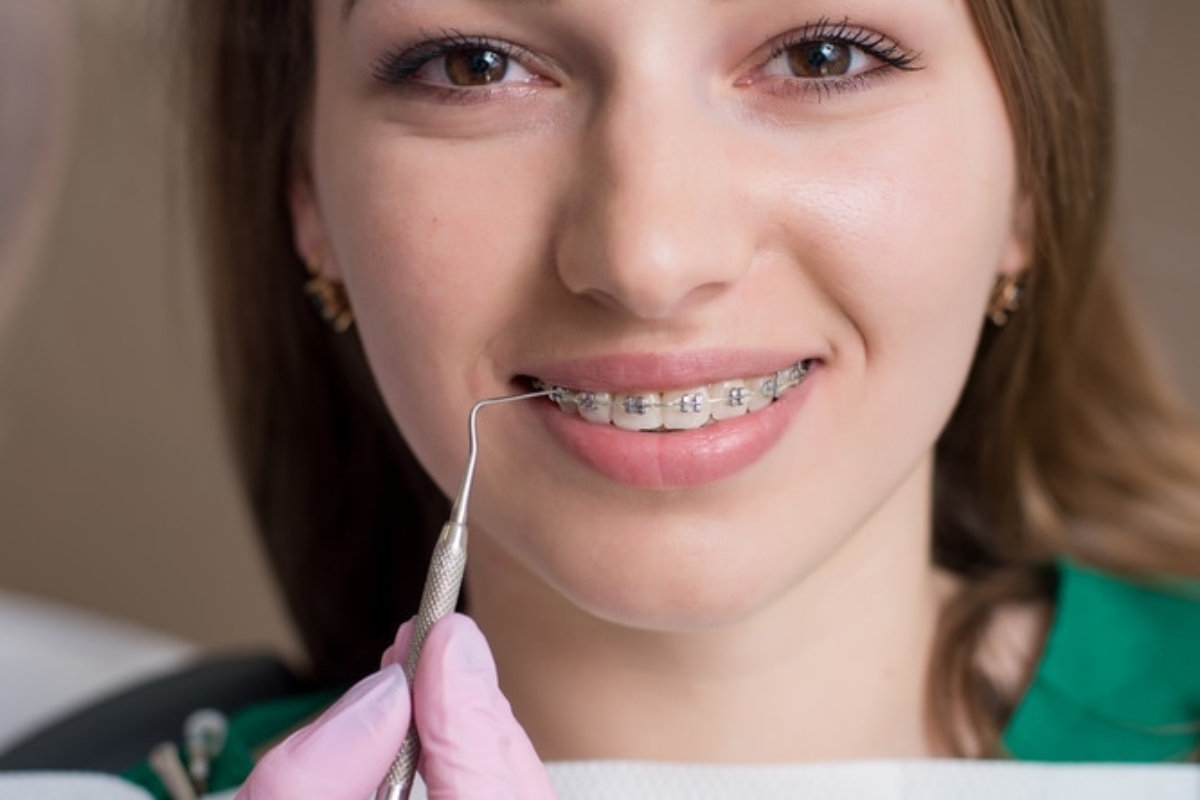
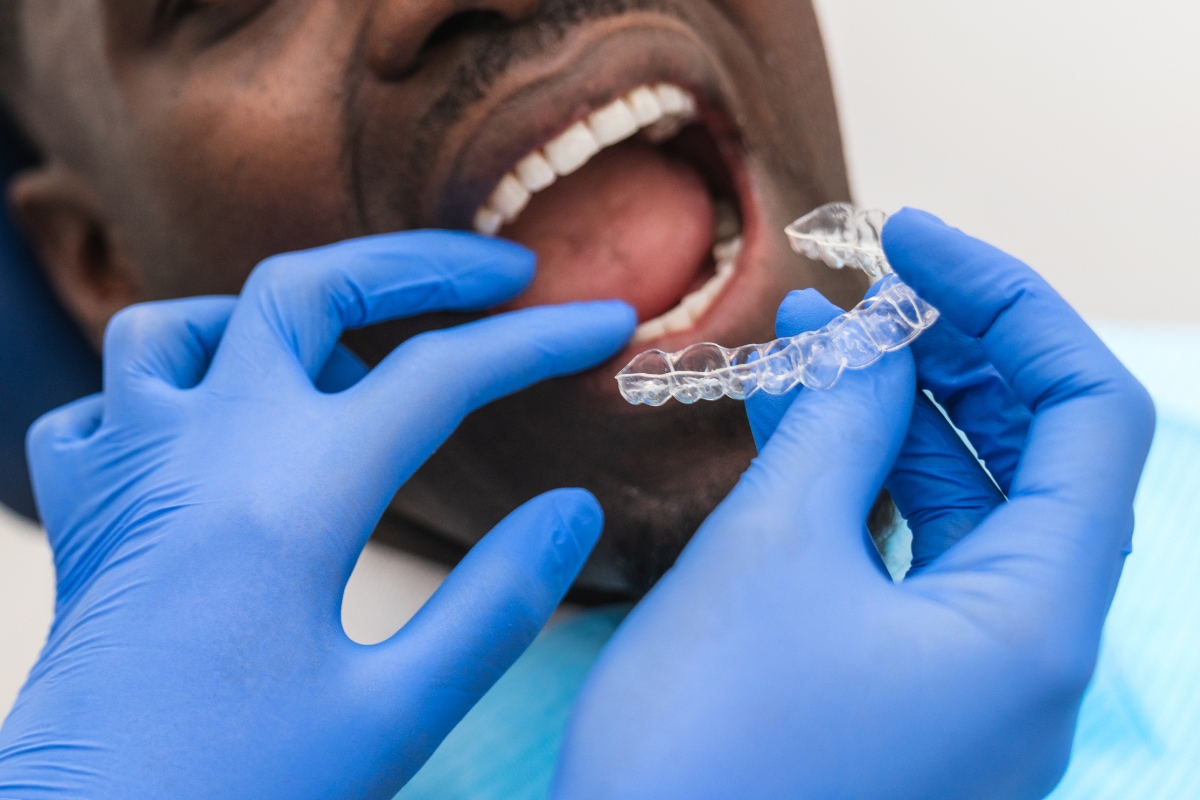
Alveolar bone is the dense, specialized bone surrounding and supporting your teeth. It acts as a strong foundation, anchoring your teeth firmly in place. Alveolar bone loss is the gradual destruction of the bone that supports your teeth, often caused by gum disease. This can significantly impact orthodontic treatment success, as it weakens the foundation for tooth movement, increases the risk of relapse, and may limit the ability to achieve desired results.
Causes of Alveolar Bone Loss:
The primary cause of alveolar bone loss is periodontitis, a chronic bacterial infection that affects the tissues surrounding the teeth. Periodontitis leads to untreated inflammation, destroying the bone that supports your teeth. Other factors that can contribute to bone loss include:
- Poor oral hygiene: Inadequate brushing and flossing allow plaque to build up, leading to gum inflammation and bone loss.
- Smoking: Smoking weakens the immune system and reduces blood flow to the gums, making it harder for the body to fight infection and repair damaged tissues.
- Certain medications: Some medications, such as steroids and immunosuppressants, can weaken the immune system and increase the risk of bone loss.
- Systemic diseases: Conditions like diabetes and osteoporosis can also contribute to bone loss.
- Trauma: Injuries to the teeth or jaw can also lead to bone loss.
How Does Alveolar Bone Loss Affect Orthodontic Treatment?
- Reduced Treatment Success: Healthy bone is essential for tooth movement during orthodontic treatment. When bone density is compromised, teeth may not move as predictably or efficiently. This can lead to longer treatment times, less predictable results, and an increased risk of relapse.
- Difficulty Achieving Desired Results: Severe bone loss can limit the extent to which teeth can be moved. This may prevent the orthodontist from achieving the desired aesthetic and functional outcomes.
- Increased Risk of Relapse: After orthodontic treatment, teeth return to their original positions. This tendency is amplified in cases of bone loss, as the weakened bone provides less support for the teeth in their new positions.
- Compromised Long-Term Stability: Even after successful orthodontic treatment, teeth supported by weakened bone are more susceptible to shifting and relapse. This can compromise the long-term stability of the orthodontic results.
Symptoms of Alveolar Bone Loss:
In the early stages, alveolar bone loss may not cause noticeable symptoms. However, as the condition progresses, you may experience:
- Receding gums: The gums appear to pull away from the teeth, exposing more of the tooth surface.
- Loose teeth: As the bone supporting the teeth weakens, the teeth may become loose or shift.
- Bad breath: Gum disease can cause bad breath, even after brushing.
- Pain or discomfort: Sometimes, you may experience pain or discomfort when chewing or biting.
- Swelling or tenderness of the gums: The gums may become swollen, tender, or red.
Consequences of Alveolar Bone Loss:
Alveolar bone loss can have serious consequences for your oral health and overall well-being:
- Tooth loss: As the bone supporting the teeth deteriorates, the teeth may become loose and eventually fall out.
- Difficulty chewing and speaking: Tooth loss can make chewing and speaking correctly tricky.
- Cosmetic concerns: Bone loss can change the appearance of your smile, making your teeth look longer or more spaced out.
- Increased risk of infection: Tooth loss and gum recession can increase the risk of infection and other oral health problems.
- Impact on overall health: Some studies suggest a link between gum disease and other health problems, such as heart disease, stroke, and diabetes.
Prevention and Treatment of Alveolar Bone Loss:
The best way to prevent alveolar bone loss is to maintain good oral hygiene practices:
- Brush your teeth twice a day with fluoride toothpaste.
- Floss daily to remove plaque between your teeth.
- Schedule regular dental checkups and cleanings.
- Quit smoking or using tobacco products.
- Control chronic conditions like diabetes.
If you have already experienced some bone loss, your dentist or periodontist may recommend the following treatments:
- Scaling and root planing: This procedure removes plaque and tartar from the teeth and root surfaces.
- Antibiotics: Antibiotics may be prescribed to treat bacterial infections.
- Surgery: In some cases, surgery may be necessary to reduce pockets of infection, regenerate bone tissue, or stabilize loose teeth.
Conclusion
Early detection and treatment of gum disease are crucial for preventing alveolar bone loss. Schuessler Orthodontics offers comprehensive dental care, including periodontal evaluations and treatment.
If you are concerned about your gum health or notice any signs of bone loss, please get in touch with us to schedule an appointment.