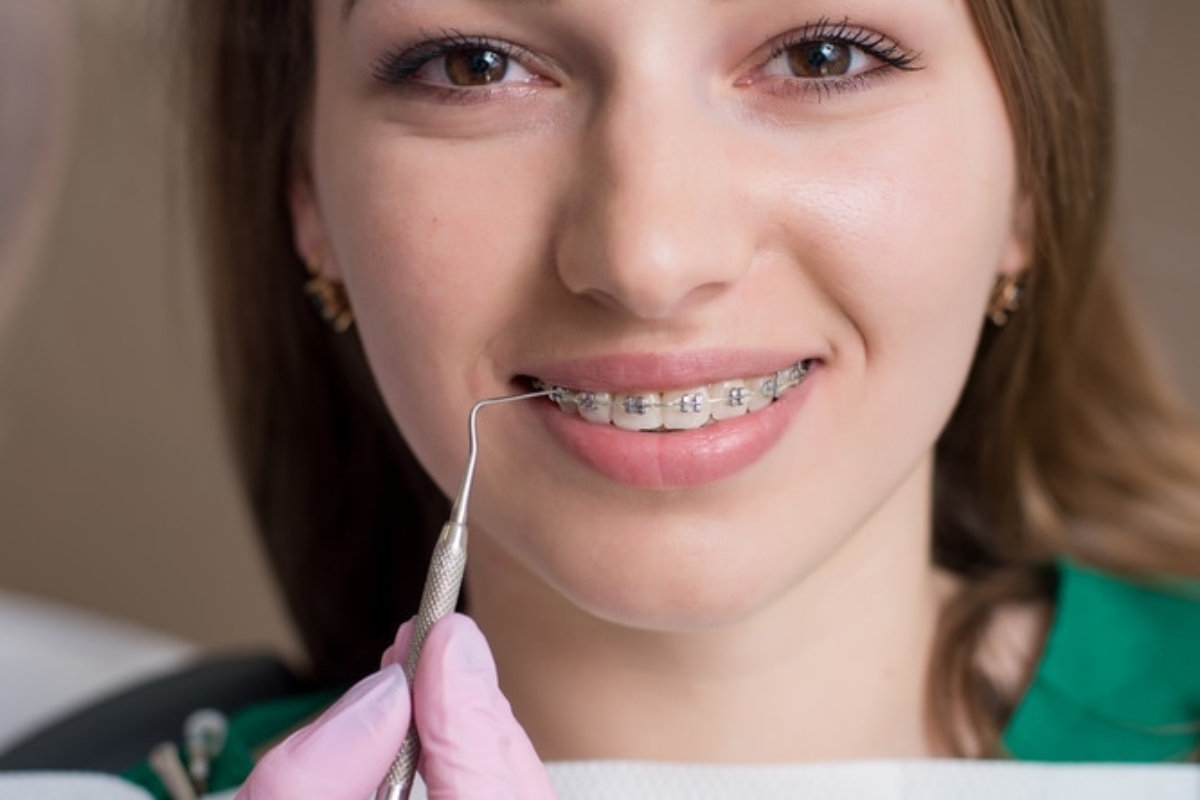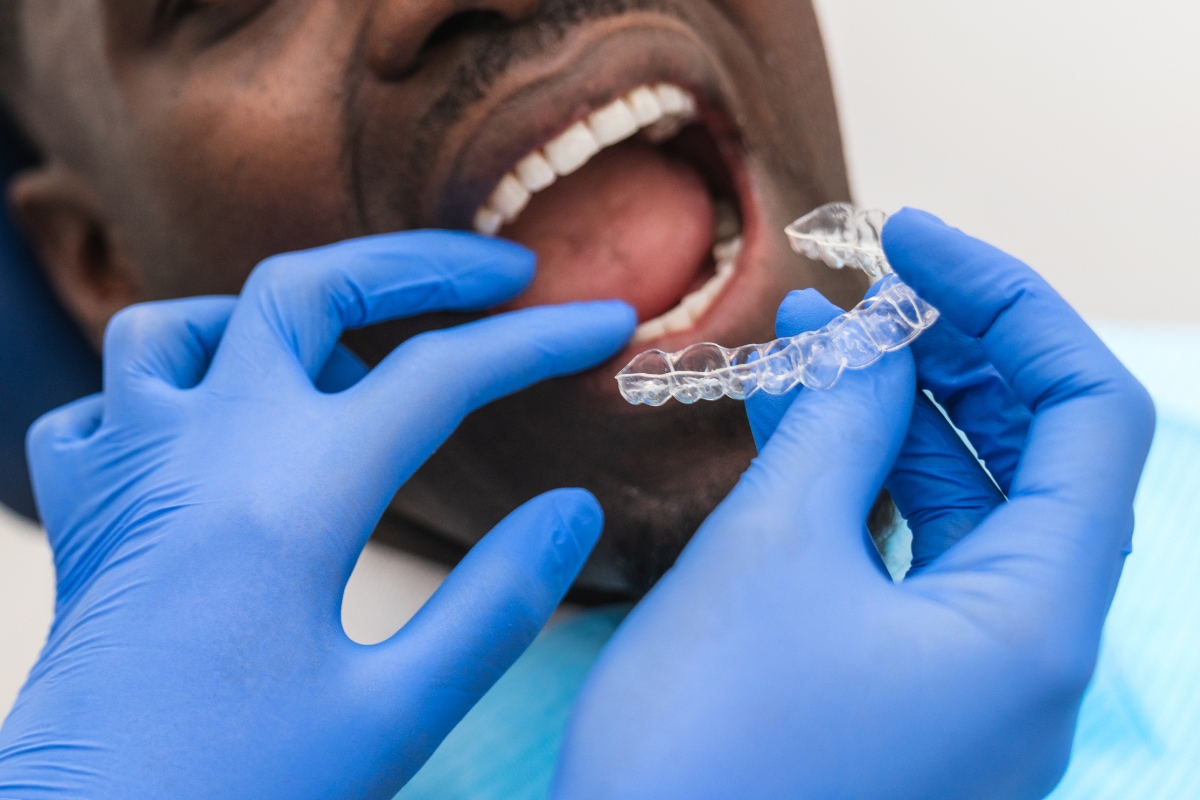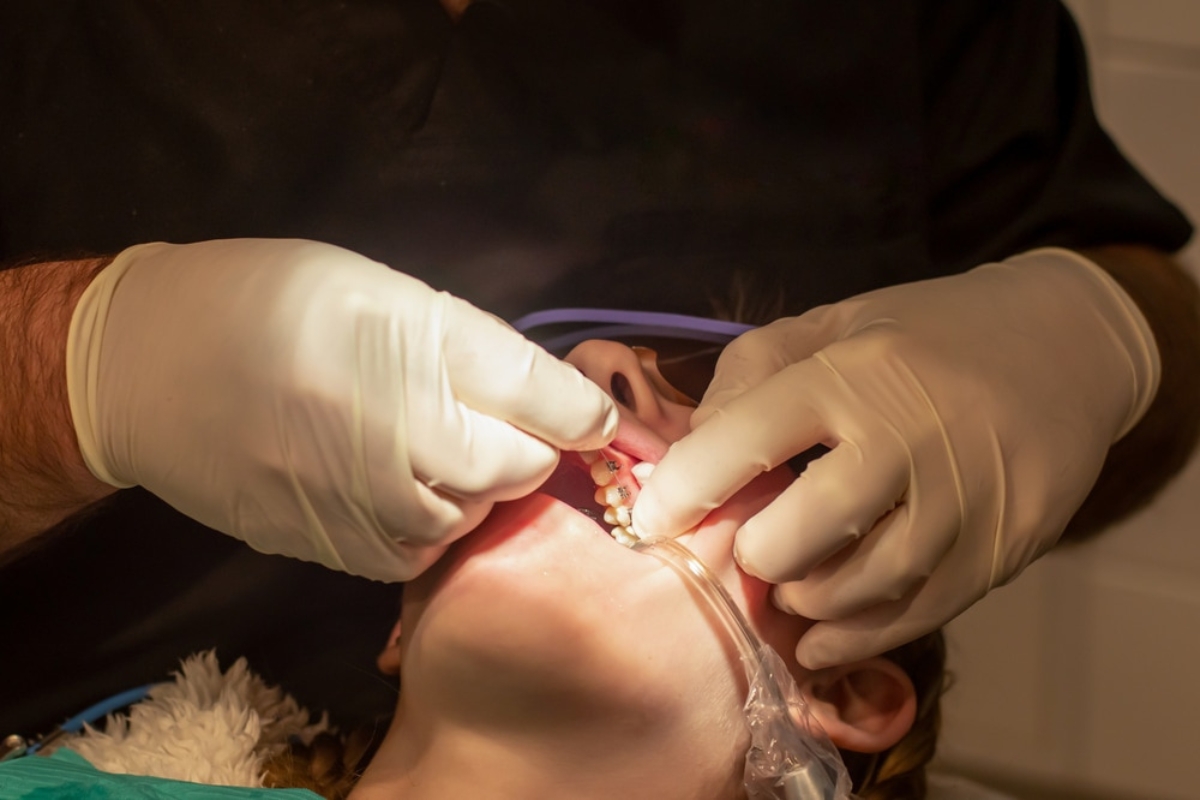
As parents, we’re constantly thinking about our children’s health and well-being, from healthy eating to regular check-ups. But when should oral health, particularly regarding the alignment of their teeth and jaws, become a focus beyond routine cleanings? The answer might be earlier than you think. While many people associate orthodontics with teenagers, the truth is that early orthodontic treatment, also known as interceptive orthodontics, can play a pivotal role in preventing more serious dental issues down the road. At Schuessler Orthodontics in Ponca City, we believe in proactive care, helping young patients achieve healthy, beautiful smiles that last a lifetime.
What is Early Orthodontic Treatment?
Early orthodontic treatment typically begins while a child still has a mix of baby teeth and permanent teeth, usually around the ages of 7 to 9. The American Association of Orthodontists recommends that children have their first orthodontic evaluation by age 7. This initial assessment isn’t necessarily about immediate treatment, but rather about identifying potential problems early on.
At this stage, an orthodontist can evaluate jaw growth, emerging permanent teeth, and any developing bite issues. Unlike comprehensive orthodontics which focuses on full tooth alignment, early treatment aims to correct certain problems before they become more severe or complex. It’s often referred to as “Phase One” treatment, setting the stage for more straightforward future care, if needed, or even eliminating the need for later treatment.
Recognizing the Signs: When to Consider Early Orthodontic Intervention
It can be difficult for parents to know if their child needs early orthodontic care without a professional evaluation. However, several signs might indicate it’s time to schedule a visit to Schuessler Orthodontics:
- Early or Late Loss of Baby Teeth: Losing baby teeth too early (before age 5) or too late can indicate underlying issues with tooth eruption or spacing.
- Difficulty Chewing or Biting: If your child struggles with these basic functions, it could point to a bite problem.
- Mouth Breathing: Persistent mouth breathing can affect facial development and jaw growth.
- Snoring: This can also be a sign of airway issues related to jaw position.
- Speech Problems: Certain speech impediments can be linked to tooth or jaw alignment.
- Thumb Sucking or Finger Habits: If these habits persist beyond age 5, they can impact tooth alignment and jaw development.
- Protruding Front Teeth: Often referred to as “buck teeth,” this can be a sign of an overbite and is also more prone to injury.
- Crossbite: When upper teeth bite inside the lower teeth.
- Crowded or Misaligned Teeth: Visible signs that teeth are coming in crooked or there isn’t enough space.
- Jaw Shifting or Clicking Sounds: These can indicate a developing jaw joint (TMJ) issue.
Even if you don’t notice any obvious signs, the recommended age 7 check-up is crucial. An experienced orthodontist, like Dr. Schuessler, has the expertise to spot subtle issues that could escalate without intervention.
The Benefits of Early Orthodontic Treatment
The advantages of early orthodontic treatment extend far beyond just straightening teeth. By intervening at a younger age, we can harness a child’s natural growth to guide jaw development and create space for permanent teeth. This proactive approach can lead to numerous long-term benefits:
- Guiding Jaw Growth: One of the most significant benefits is the ability to influence jaw growth. We can correct or improve conditions like underbites or severe overbites, which are much harder to treat once the jaw bones have fully developed.
- Creating Space for Permanent Teeth: Early treatment can help create necessary space for erupting permanent teeth, reducing the likelihood of severe crowding and the potential need for tooth extractions later on.
- Reducing Risk of Trauma to Protruding Front Teeth: If your child has prominent front teeth, they are more susceptible to injury. Early treatment can bring these teeth back into a safer alignment.
- Correcting Harmful Oral Habits: Habits like thumb sucking, tongue thrusting, or mouth breathing can be addressed early, preventing their long-term impact on dental development.
- Improving Speech Problems: Misaligned teeth or jaws can sometimes contribute to speech impediments. Early intervention can help correct these issues.
- Boosting Self-Esteem: A healthy, aligned smile can significantly impact a child’s confidence and self-image during their formative years.
- Simplifying or Eliminating Future Treatment: By addressing issues early, Phase One treatment can sometimes prevent the need for full comprehensive orthodontic treatment in the teenage years, or at least make it shorter and less complex. This can lead to a less invasive and more cost-effective overall treatment journey.
- Better Long-Term Stability: Correcting foundational issues early often leads to more stable and lasting results for the bite and alignment.
Is Early Treatment Right for Your Child?
Deciding whether early orthodontic treatment is necessary for your child requires a thorough evaluation by a qualified orthodontist. At Schuessler Orthodontics in Ponca City, we are committed to providing personalized care and clear communication. During your child’s initial consultation, we will perform a comprehensive exam, discuss our findings, and outline any recommended treatment plans, explaining why and how it can benefit your child’s long-term oral health.
Investing in your child’s early orthodontic care is investing in their lifelong dental health and confidence. Don’t wait until all permanent teeth have erupted to address potential issues. Contact Schuessler Orthodontics today to schedule your child’s initial orthodontic evaluation and discover how early intervention can prevent serious dental problems later on.