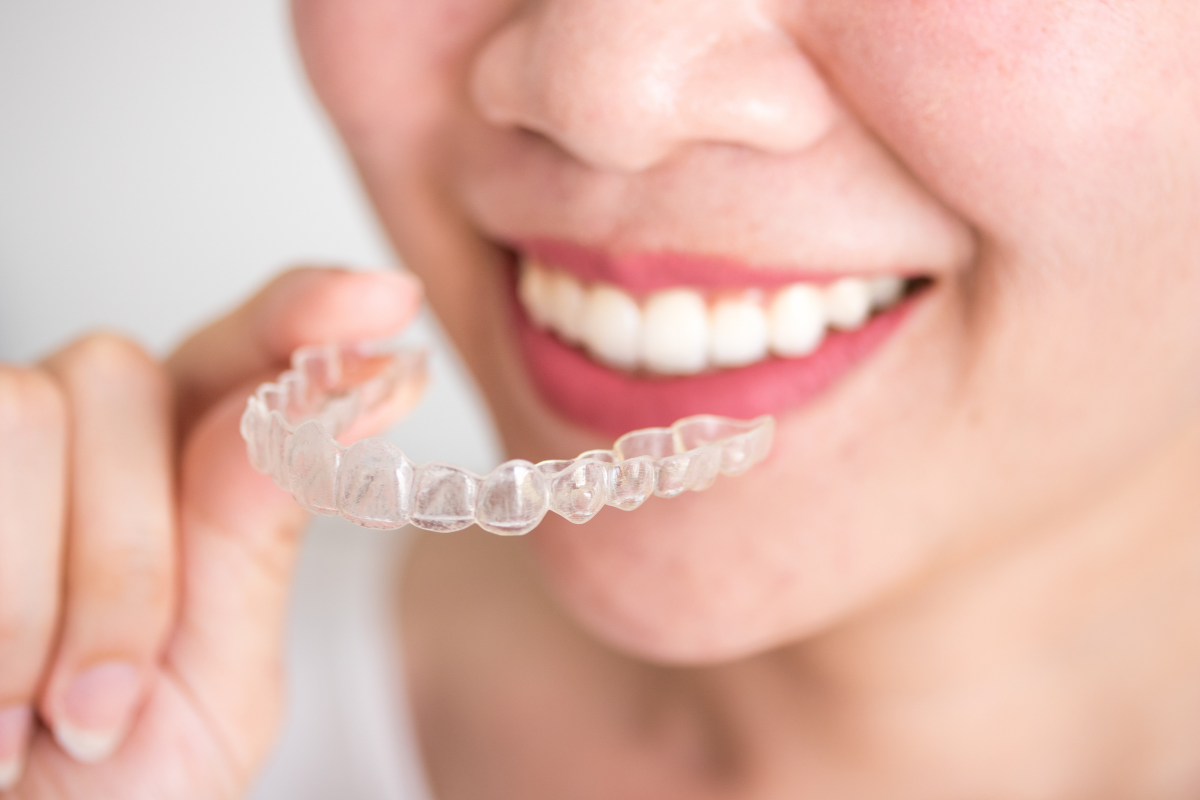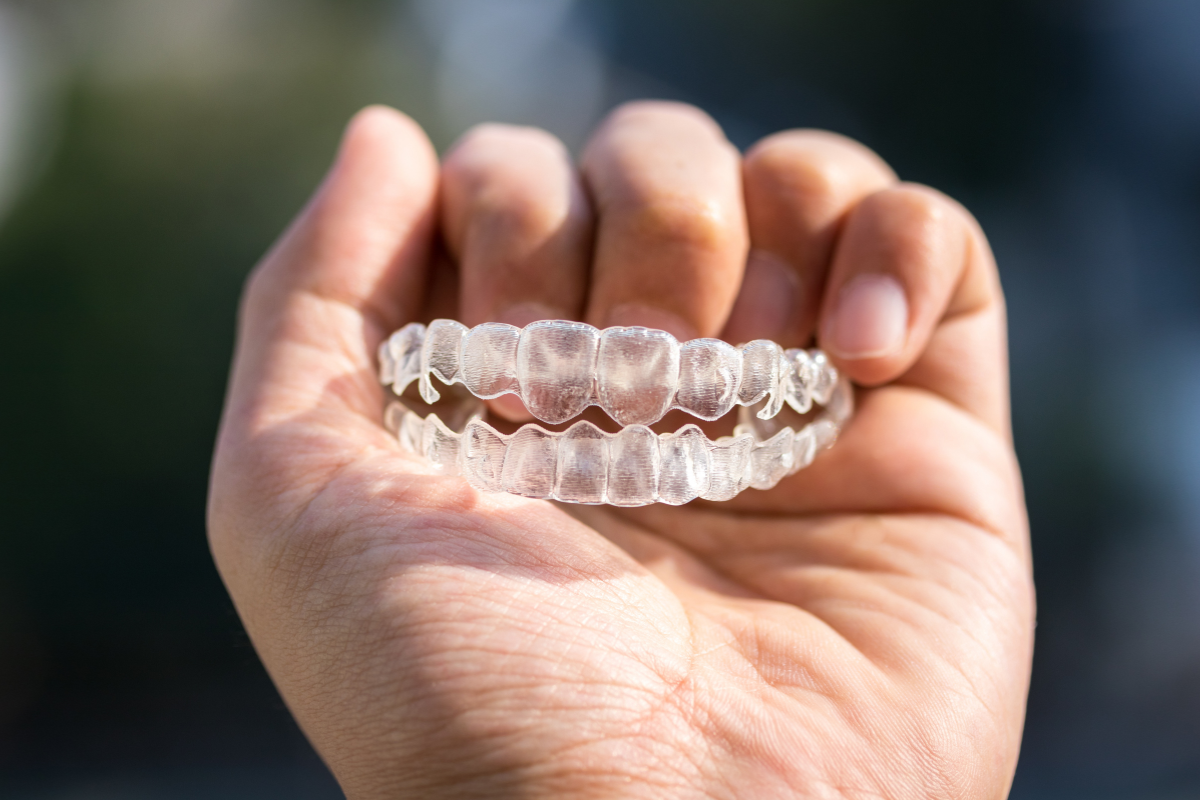
Clear aligners have changed the way many people think about straightening teeth. No metal brackets, no wires poking your cheek, and trays you can take out for meals. It sounds close to perfect.
But perfect for one person does not always mean perfect for the next. Some bite problems and tooth positions respond better to other treatment types. Knowing this ahead of time saves you from frustration later, and it helps you make a choice that actually fits your smile.
What Clear Aligners Do Well
Clear aligners work great for mild to moderate crowding, small gaps, and cases where teeth need to shift a short distance. Adults who want a treatment that stays discreet often lean toward this option. Many patients exploring invisalign care enid find that it fits nicely into a busy work or family schedule since trays come out for meetings, photos, or meals. That flexibility is a big reason the option stays popular with working adults.
The trays also make cleaning simple. Since they’re removable, brushing and flossing stay close to normal, which is a real plus for anyone who has struggled with keeping brackets clean in the past.
When Aligners Struggle to Keep Up
Not every bite problem moves the way aligners are built to handle. Here are a few situations where other options often work better.
Severe Crowding or Rotated Teeth
When teeth are badly twisted or overlapping in a tight space, aligners can struggle to grip and turn them properly. Traditional braces use brackets and wires that apply steady pressure from multiple angles, which handles heavy rotation better than a plastic tray can.
Significant Bite Issues
Deep overbites, open bites, and crossbites often involve jaw position, not just tooth position. Aligners move teeth well, but they are not always built to shift jaw alignment on their own. In these cases, a mix of tools, or braces alone, may be needed to correct the bite fully.
Missing Teeth or Bridgework
If a patient has missing teeth, bridges, or certain types of dental work, movement gets more complicated. Aligners rely on a full set of teeth working together as anchors. Gaps or restorations can limit how well the trays grip and shift the remaining teeth.
Teeth That Need Vertical Movement
Some teeth need to move up or down, not just side to side. This kind of vertical movement, sometimes needed for teeth that never fully erupted, is harder for aligners to manage compared to fixed appliances.
Patients Who Struggle With Wear Time
Aligners only work if they’re worn 20 to 22 hours a day. Patients who know they’ll struggle with that routine, whether from a busy schedule, forgetfulness, or eating habits, may see slower results or a bite that doesn’t correct as planned. Braces remove that variable since they stay on the whole time.
How We Decide What’s Right for You
Every case starts with a full exam, X-rays, and a conversation about your goals. We look at how your teeth sit, how your jaw meets, and how much movement your case actually needs. From there, we walk through the treatment paths that fit your situation, whether that’s aligners, braces, or a combination of both.
This is where local guidance matters. Patients researching invisalign care enid sometimes assume aligners are their only path forward, but a short consultation often reveals options they hadn’t considered. Getting a second opinion, or even a first opinion from someone who checks your bite in person, beats guessing based on online research alone.
Why an In-Person Exam Beats Guesswork
Online quizzes and photo-based apps can’t measure how your jaw closes or how deep your bite really is. A hands-on exam catches details that photos miss, including small shifts in bite pressure or crowding that isn’t obvious at first glance. If you’ve searched orthodontist near me while trying to figure out whether aligners fit your case, an in-person visit is the fastest way to get a real answer instead of a guess. Our team walks you through what we see and why, so you’re not left wondering if you picked the right path.
Local Care Across Enid, Ponca City, and Stillwater
Patients across Enid, Ponca City, and Stillwater come to Schuessler Orthodontics with a wide mix of bite and spacing concerns. Some are perfect candidates for clear trays. Others need braces, or a combination approach, to get the results they want.
A lot of people come in with a treatment already in mind before we’ve looked at their teeth. Families searching invisalign care enid often start with a general idea of what they want and leave with a clearer picture of what will actually work for their teeth. That clarity matters more than the treatment name itself.
Making the Right Choice for Your Smile
The goal isn’t picking the trendiest option. It’s picking the one that moves your teeth correctly, protects your bite, and holds up over time. Some patients need aligners. Others need braces. Many need a short conversation before they know which one fits their case.
A short conversation often clears up more than hours of online reading ever could. If you’re weighing invisalign against other treatment paths, a proper exam removes the guesswork. Straight teeth matter, but a bite that works correctly matters just as much, and that’s worth getting right the first time.
Conclusion
Clear aligners solve a lot of problems, but they are not a fit for every bite or every tooth position. Severe crowding, deep bite issues, missing teeth, and inconsistent wear habits can all point toward a different treatment path.
The only way to know for sure is a real exam with a team that checks your case in person rather than guessing from a photo. If you’re comparing invisalign with braces or other options, our team at Schuessler Orthodontics can walk you through what your teeth actually need. That conversation is often shorter and more useful than expected.
A clear plan beats another night of searching for answers online. Still typing orthodontist near me into your phone and hoping for a clear answer? Book an online consultation with Schuessler Orthodontics, and we’ll help you figure out the treatment path that fits your bite, your schedule, and your goals.
Frequently Asked Questions
1. How do I know if I need braces instead of clear aligners?
A hands-on exam is the best way to tell. Your provider checks bite depth, crowding, and tooth position before recommending a path.
2. Can clear aligners fix a deep overbite?
Mild cases sometimes respond well, but deeper bite issues often need braces or added tools to fully correct jaw alignment.
3. Why do some patients need a combination of braces and aligners?
Certain cases need braces to handle heavy movement first, then aligners to finish smaller adjustments once the bite is closer to ideal.
4. Does age affect which treatment works better?
Age itself matters less than how teeth and jaws have grown. Growing patients sometimes need different tools than adults with fully set bites.
5. What happens if I don’t wear aligners as often as I should?
Teeth can shift back or stall in place, which slows progress and may extend treatment time beyond the original plan.
6. Can missing teeth be treated with clear aligners?
It depends on the case. Missing teeth sometimes need a plan that includes implants, bridges, or braces alongside aligner treatment.
7. How long does a typical treatment take?
Timelines vary widely based on how much movement is needed, ranging from several months to a couple of years.
8. Is a second opinion worth getting before starting treatment?
Yes. A second set of eyes can confirm your treatment plan or catch a detail worth discussing before you commit to a path.