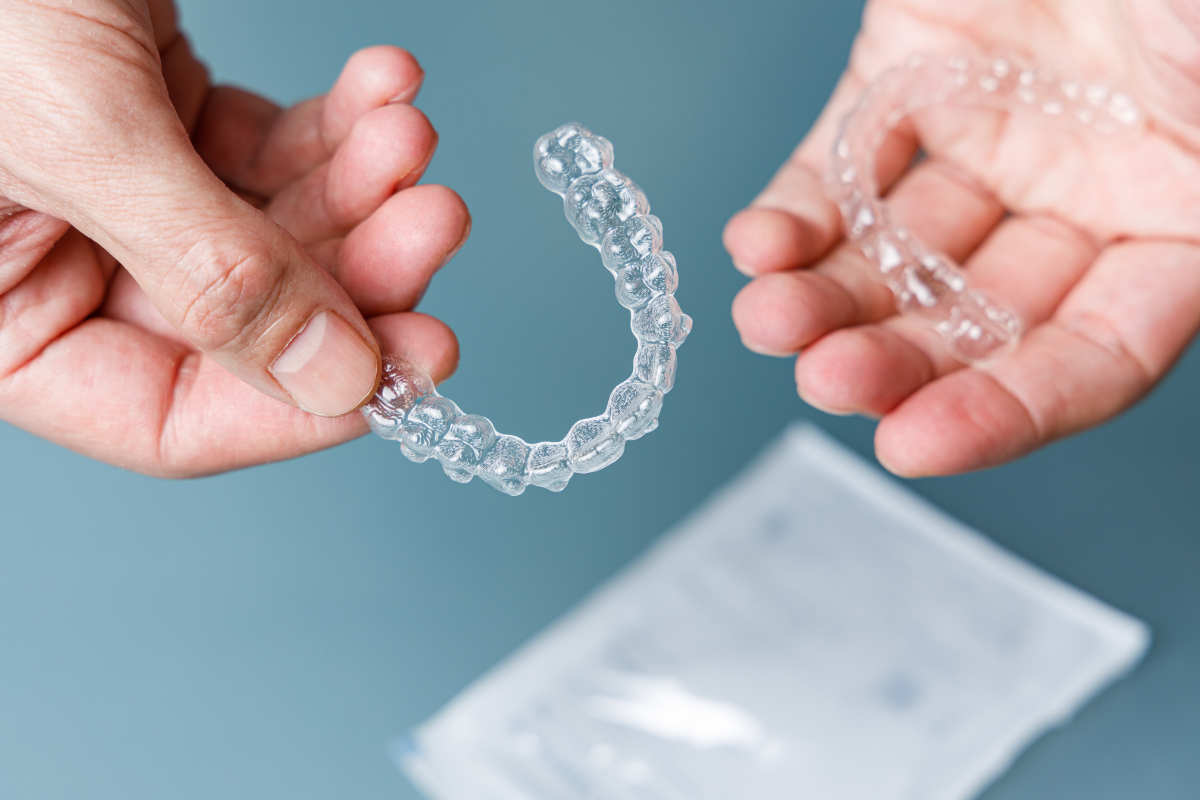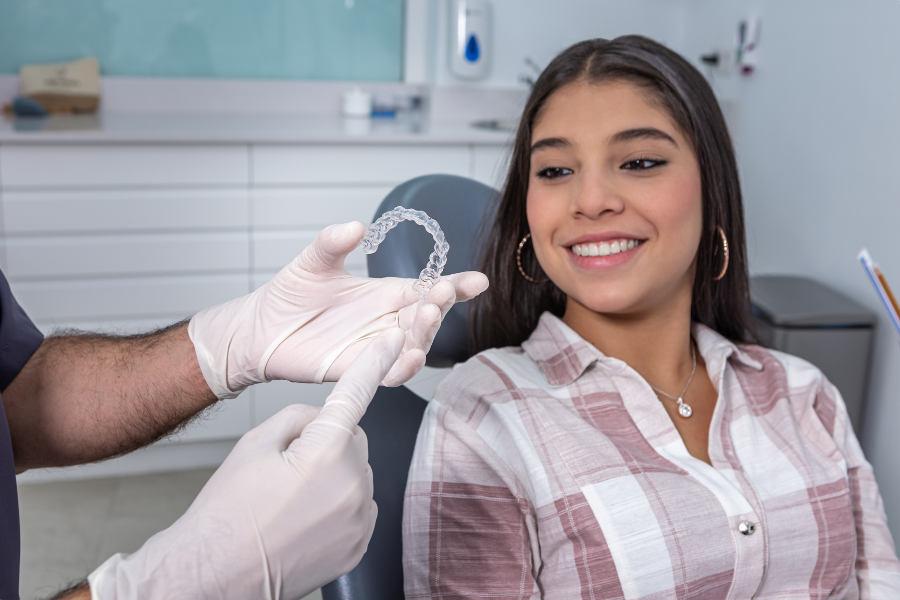
If you started your Invisalign journey excited about a straighter smile in just a few months, but now you’re several months in and the finish line keeps moving, you’re not alone. This is one of the most common concerns people share when they search for an orthodontist near me before or during treatment.
The truth is, Invisalign works beautifully for the right cases. But the timeline? That part is more personal than most people expect. Let’s break down exactly why treatment can take longer and what you can do about it.
How Invisalign Treatment is Planned
Before you ever put in your first aligner, your orthodontist uses digital scans and software to map out your entire treatment. Each tray is designed to move your teeth a small amount, usually around 0.25 millimeters per step.
The total number of trays you receive at the start is an estimate based on how your teeth are expected to respond. Real teeth, however, don’t always follow a perfect plan.
The Most Common Reasons Treatment Runs Longer
You’re Not Wearing Your Aligners Enough
This is the number one reason timelines stretch. Invisalign requires 20 to 22 hours of wear every day. Even cutting that down by an hour or two regularly can slow your progress.
Many patients underestimate how quickly those breaks add up. Taking out your aligners for meals, coffee, snacks, and social situations can easily push you below the required daily wear time without realizing it.
If you’ve been looking up invisalign in ponca city and wondering why your neighbors seem to finish faster, consistency is often the answer.
Teeth Aren’t Tracking Properly
Tracking means your teeth are moving exactly as planned inside the aligner. When a tooth doesn’t move the way it was supposed to, it falls “out of track.”
This usually happens because:
- The aligner doesn’t fit snugly over all teeth
- Certain teeth are more stubborn and need extra force
- Attachments (the small tooth-colored bumps bonded to teeth) have come off
When tracking fails, your orthodontist will need to redesign part of your treatment. This adds trays and adds time.
Your Teeth Are More Complex Than Expected
Some movements are harder than others. Rotating a back molar or correcting a deep bite takes more steps than straightening mildly crowded front teeth.
Sometimes a case looks moderate at first, but as treatment progresses, the deeper issues become visible. A skilled orthodontist near me will catch these early and adjust the plan.
Mid-Course Corrections (Refinements)
Even when everything goes right, most Invisalign patients need at least one round of refinements. These are a new set of aligners made after a progress scan shows your teeth have moved but not quite reached the goal.
Refinements are completely normal and are built into many treatment plans. They are not a sign that something went wrong. They are a sign that your provider is paying close attention.
What Happens in a Local Dental Market
In areas like Ponca City, Enid, and Stillwater, there are several dental offices and clinics offering Invisalign. Many general dentists are also certified to provide it alongside orthodontists.
The difference often shows in how closely cases are monitored. At a dedicated orthodontic practice like Schuessler Orthodontics, patients are seen regularly throughout treatment. Progress is tracked at every visit, and refinements are caught early rather than discovered months later.
Searching for invisalign in ponca city will pull up a range of options. Some are dental offices where Invisalign is one service among many. Others are orthodontic-focused practices where aligner treatment is the primary focus every single day.
That difference matters when your treatment hits a snag.
Signs Your Treatment May Be Running Behind
It can be hard to know on your own if things are progressing as they should. Here are a few signs to watch for:
- Your aligner feels loose on certain teeth even after wearing it for days
- You notice a gap between the tray and a tooth
- You’re on your last few trays but your bite still feels off
- Your provider hasn’t scanned for progress in several months
If any of these sound familiar, bring it up at your next appointment. Don’t wait until you finish your current series of trays to say something.
What You Can Do to Stay on Track
You have more control over your timeline than you might think. Here are practical steps that genuinely help:
Wear your aligners consistently
Set a phone reminder if needed. 22 hours is the goal, not a suggestion.
Use chewies
These small foam cylinders help seat your aligners properly against your teeth. Using them for a few minutes after inserting a new tray improves contact and tracking.
Keep your appointments
Missing or delaying checkups delays catching problems early.
Handle attachments carefully
If one falls off, let your provider know promptly. Don’t wait until your next scheduled visit.
Communicate openly
If a tray feels wrong or painful in an unusual way, say so. Your provider can check if something is off.
How a Skilled Orthodontist Manages Long Cases
Not all cases are short. Some patients start treatment knowing it will take 18 to 24 months. Complex bite corrections, spacing issues, or cases coming out of previous treatment can all require a longer timeline.
A good orthodontist near me will be transparent about this from the first consultation. They’ll explain what stage of treatment involves which movements and why certain steps take longer than others. That transparency is what separates a confident treatment plan from a confusing one.
At Schuessler Orthodontics, serving patients across Ponca City, Enid, and Stillwater, treatment planning is done with a focus on long-term results, not just short-term movement. That’s why patients are guided through every phase with clear progress milestones.
Does a Longer Treatment Mean Something Went Wrong?
Not at all. A longer timeline can simply reflect:
- A more complex case being treated correctly
- Refinements being used properly to dial in the final result
- An orthodontist who won’t rush the last stages when your bite needs more time
What would be concerning is a timeline that stretches with no explanation, no new scans, and no updated plan. That’s when you should ask questions.
Frequently Asked Questions
1. How long does Invisalign treatment usually take?
Most cases take between 12 and 18 months. Mild cases can finish in 6 to 10 months. Complex cases can run 24 months or more. Your orthodontist will give you a specific estimate at your consultation.
2. Can I speed up my Invisalign treatment?
Wearing your aligners for the full 22 hours daily is the best thing you can do. Some offices offer AcceleDent or Propel, which are devices designed to help teeth move faster, but results vary.
3. What happens if I skip wearing my aligners for a few days?
Your teeth can begin to shift back. You may not be able to move to the next tray on schedule. Consistent wear is what keeps the plan on track.
4. Why do I need refinements?
Refinements are new trays made after a progress scan shows your teeth need additional movement. Most patients need at least one round. They are a normal part of treatment, not a failure.
5. Is Invisalign better than braces for complex cases?
Braces handle certain movements better, especially for severe bite corrections. Your orthodontist will recommend the option that gives you the best result for your specific case.
6. What are attachments and why do they fall off?
Attachments are small tooth-colored shapes bonded to certain teeth. They give the aligners extra grip for harder movements. They can come off from chewing hard foods or biting into something firm. Let your provider know promptly if one falls off.
7. How often should I visit my orthodontist during treatment?
Most providers schedule visits every 6 to 10 weeks. These checkups are important for tracking progress and catching any alignment issues early.
8. What if my last tray doesn’t fit perfectly?
Tell your provider. A poor fit on the final tray means a refinement set is likely needed. Finishing with poor fit will lead to an unsatisfying result.
Take the Next Step Toward a Straighter Smile
Understanding why treatment takes time makes it easier to stay patient and stay consistent. The process works when it’s followed closely and managed well.
If you’re looking for an orthodontist near me who will give you a clear plan, honest timelines, and attentive care throughout, schedule a consultation with Schuessler Orthodontics today. With locations in Ponca City, Enid, and Stillwater, Oklahoma, the team is ready to walk you through your options and create a treatment plan built around your specific needs.
Your smile is worth doing right, not just fast.