If you have been thinking about straightening your teeth, you have probably heard a lot about Invisalign. Clear aligners look great in ads, and the idea of invisible trays sounds very appealing. But here is something many people do not know: most orthodontists still recommend traditional braces for a wide range of cases.
This is not about old habits. There are real, clinical reasons why braces continue to be the go-to choice. Let us break it all down so you can make the right call for your smile.
The Core Difference Between Braces and Clear Aligners
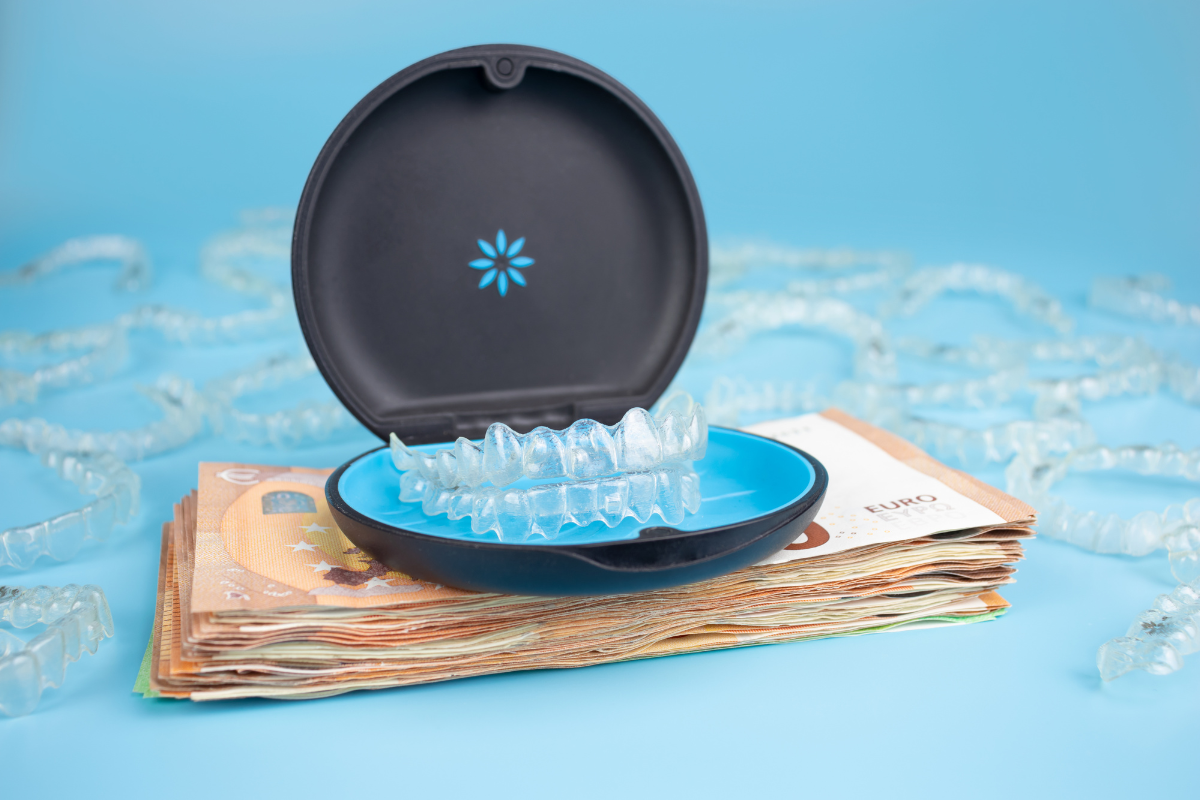
Braces use metal brackets and wires that stay fixed to your teeth. They apply steady, controlled pressure around the clock. Clear aligners, on the other hand, are removable trays. They work well for mild to moderate cases, but they depend heavily on the patient wearing them 20 to 22 hours a day.
That difference matters more than most people think.
Why Braces Work Better for Many Cases
They Handle Complex Issues More Effectively
Braces can move teeth in multiple directions at the same time. They can rotate teeth, fix deep bites, and close large gaps with more precision. For patients dealing with crowding, significant bite problems, or jaw misalignment, braces simply give orthodontists more control.
Clear aligners are improving every year, but they still have limits when it comes to severe cases.
No Compliance Required
With braces, the work happens whether you think about it or not. The brackets and wires do their job every hour of every day. With clear aligners, if a patient forgets to wear the trays, progress slows down or stops. This is especially important for younger patients who may not stay consistent.
For many families getting braces in Stillwater, this reliability makes a big difference in the final result.
Better for Growing Patients
Children and teens are often better candidates for braces. Their jaws are still developing, and orthodontists can guide that growth more effectively with fixed appliances. Braces also come with options like colored bands, which many kids actually enjoy.
When Clear Aligners Make Sense
To be fair, Invisalign works well for many adults with mild to moderate alignment issues. They are also a good choice for patients who play contact sports or wind instruments, and for those who place a high priority on appearance during treatment.
The key is that an orthodontist should assess your specific needs before recommending either option. There is no one-size-fits-all answer.
What Patients in This Area Are Asking
Many residents across northern Oklahoma, including people from Stillwater, Ponca City, and Enid, are looking for clear answers about orthodontic treatment. The question comes up often: “Is Invisalign really as good as braces?”
The short answer is: it depends on your case. But for a large number of patients, braces remain the most effective path to a healthy, aligned smile.
There are several dental clinics across the region, and patients have options. What sets quality orthodontic care apart is the ability to customize treatment based on real clinical needs, not just what looks good in a brochure.
The Value of Seeing a Specialist
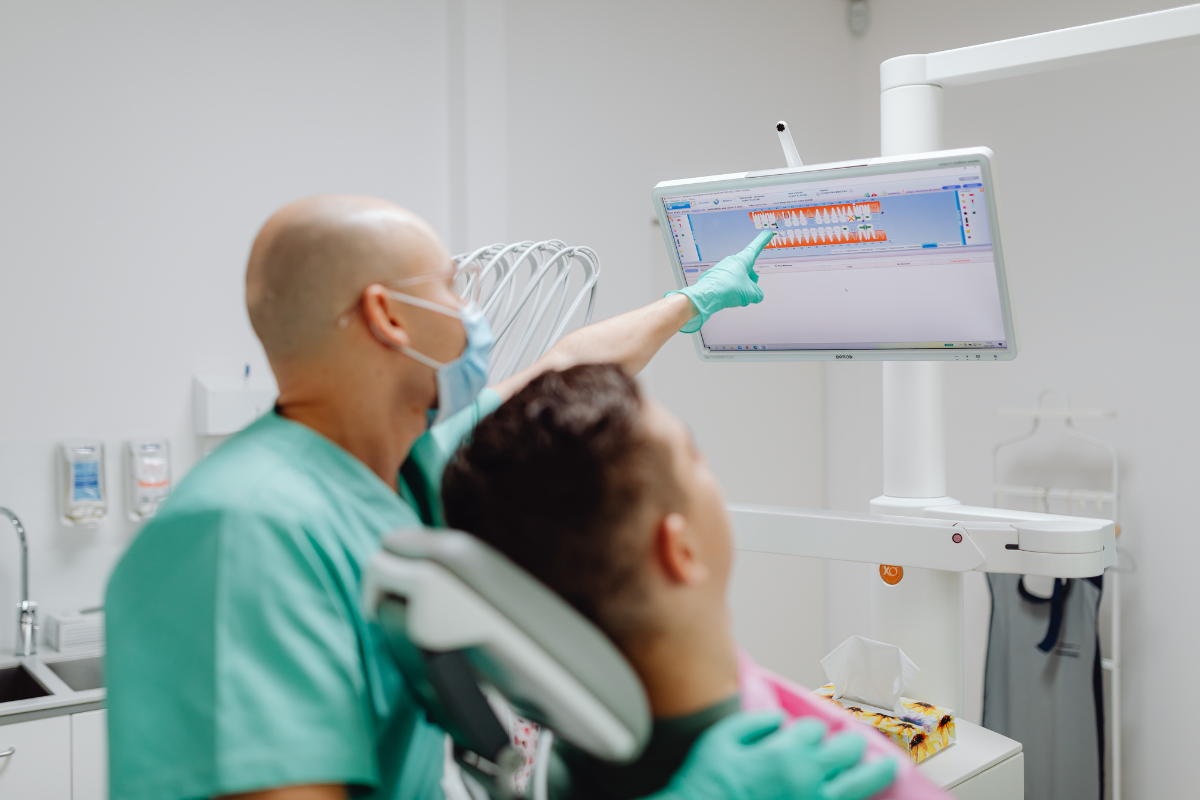
General dentists can offer some orthodontic services, but an orthodontist has two to three extra years of training focused entirely on tooth and jaw movement. When you visit an orthodontist Stillwater or nearby, you are getting a level of expertise that goes well beyond a general dental checkup.
Orthodontists see dozens of cases every week. They know when braces will deliver better results, when aligners are the right fit, and when a combination approach is needed.
What Treatment Actually Looks Like Today
Modern braces are nothing like the bulky metal of the past. Today’s brackets are smaller, smoother, and far more comfortable. Many patients are surprised by how manageable the process feels.
Treatment usually runs between 18 months and 3 years depending on case complexity. During that time, patients visit their orthodontist every 6 to 10 weeks for adjustments. The process is gradual, but the results are lasting.
Patients getting braces in Stillwater at Schuessler Orthodontics, for example, benefit from a team that maps out each stage of treatment clearly from the first visit onward.
Local Care You Can Count On
Schuessler Orthodontics serves patients across three locations in Oklahoma, including Stillwater, Ponca City, and Enid. The practice focuses on giving every patient a treatment plan that fits their actual needs, not just a cookie-cutter recommendation.
Families in Payne County, Kay County, and Garfield County have access to experienced orthodontic care without needing to travel far. For many patients in smaller towns around this part of Oklahoma, having a trusted local provider matters a great deal.
While there are many dental clinics in the surrounding areas, Schuessler Orthodontics stands out by focusing exclusively on orthodontics. That level of specialization leads to better outcomes and a more focused patient experience.
Conclusion: Make the Right Choice for Your Smile
Invisalign has its place. But when it comes to correcting complex bite issues, guiding jaw development in younger patients, or simply ensuring that nothing falls on the patient to manage every day, braces remain the stronger clinical choice.
The best way to find out what works for your smile is to talk to an orthodontist Stillwater who can look at your specific case and give you an honest recommendation.
Schedule a consultation with Schuessler Orthodontics today. Whether you are in Stillwater, Ponca City, Enid, or a nearby community, the team is ready to help you take the first step toward a healthier, straighter smile.
Frequently Asked Questions
1. Are braces more painful than clear aligners?
There is some discomfort with both options, especially after adjustments or tray changes. Most patients adjust within a few days. The level of discomfort is usually mild and manageable with over-the-counter pain relief.
2. How long does orthodontic treatment typically take?
It varies by case. Mild cases may take 12 to 18 months. More complex issues can take 2 to 3 years. Your orthodontist will give you a clearer timeline after your initial exam.
3. Can adults get braces, or are they just for kids?
Braces work well for patients of all ages. Adult orthodontic treatment has grown significantly in recent years, and many adults achieve excellent results with both braces and clear aligners.
4. What happens if I do not wear my aligners as directed?
Your treatment will slow down or stop progressing. In some cases, you may need new trays made, which adds cost and time. This is one reason orthodontists often prefer braces for patients who may struggle with compliance.
5. Will I need a retainer after treatment?
Yes. After braces or aligners, wearing a retainer is essential to keep your teeth in their new position. Skipping retainer use is one of the most common reasons teeth shift back over time.
6. Is one type of treatment more affordable than the other?
Cost depends on the complexity of the case and the length of treatment. Both options fall within a similar general price range. Many orthodontic practices offer payment plans to help make treatment accessible.
7. How do I know which treatment is right for me?
Only a licensed orthodontist can make that determination. A proper exam, including X-rays and bite analysis, will give the orthodontist the information needed to recommend the best option for your specific situation.
8. At what age should a child first see an orthodontist?
Most orthodontists recommend an initial screening around age 7. Early evaluation helps identify any developing problems, even if treatment does not begin right away.