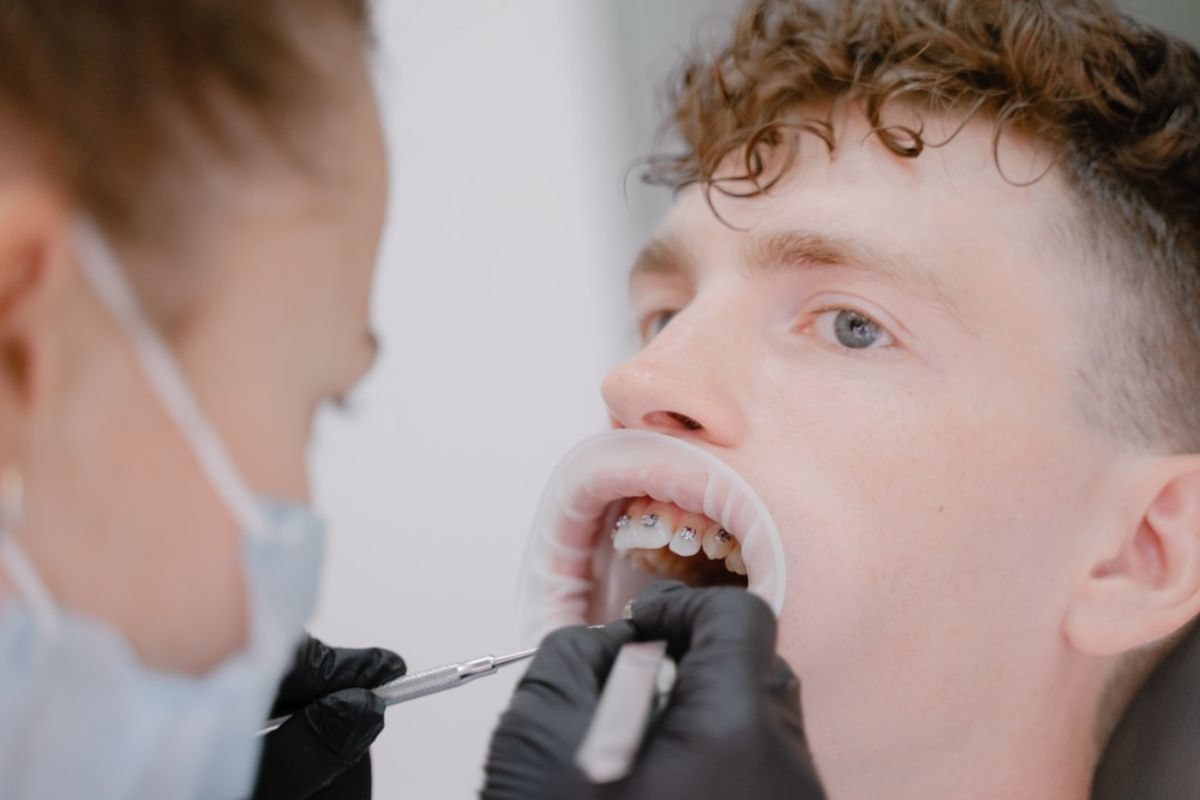
An overbite, or a deep bite, occurs when the upper teeth overlap the lower teeth. While braces often address mild to moderate overbites, severe cases may require jaw surgery to achieve a healthy and balanced bite.
At Schuessler Orthodontics, we understand that jaw surgery can be a significant decision. Our team of experienced orthodontists is dedicated to providing comprehensive information and support to help you make informed choices about your treatment.
Understanding Overbite
An overbite can cause a variety of problems, including:
- Difficulty chewing and speaking: The overlapping teeth can make it challenging to bite and chew food and pronounce certain sounds.
- Increased risk of tooth wear: Excessive contact between the upper and lower teeth can lead to premature wear and tear on the teeth.
- Jaw pain and discomfort: Overbites can strain the jaw joints and muscles, leading to pain and discomfort.
- Aesthetic concerns: Sometimes, an overbite can affect a person’s appearance and self-esteem.
When is Jaw Surgery Necessary?
If your overbite is severe and cannot be corrected with braces alone, jaw surgery may be recommended. This is often the case when the underlying problem is a misalignment of the jawbones.
Types of Jaw Surgery for Overbite
Several types of jaw surgery can be used to correct an overbite, including:
- Maxillary advancement: This procedure involves moving the upper jaw forward to improve the bite relationship.
- Mandibular setback: This procedure involves moving the lower jaw backward to improve the bite relationship.
- Combined surgery: In some cases, maxillary advancement and mandibular setback may be necessary.
What to Expect from Jaw Surgery
Jaw surgery is a complex procedure that requires careful planning and execution. Here’s what you can expect:
- Pre-surgery consultation: Your orthodontist will thoroughly evaluate the best type of surgery for your specific needs.
- Surgery: The surgery is typically performed under general anesthesia. It may involve incisions in the jaw or cheeks to access the bones.
- Recovery: The recovery period for jaw surgery can vary depending on the type of surgery and the individual patient. You may experience swelling, bruising, and discomfort for several weeks.
- Orthodontic treatment: After surgery, you will likely need to wear braces or other orthodontic appliances to help the teeth settle into their new positions.
Benefits of Jaw Surgery for Overbite
Jaw surgery can significantly improve a person’s quality of life by:
- Correcting the bite: This can make it easier to chew and speak.
- Reducing tooth wear: This can help preserve the health and function of your teeth.
- Improving facial appearance: Jaw surgery can enhance your facial profile and boost your self-esteem.
- Relieving pain and discomfort: This can improve your overall comfort and well-being.
Choosing the Right Orthodontist
When considering jaw surgery, it’s important to choose an orthodontist who is experienced and qualified to perform this complex procedure. At Schuessler Orthodontics, our team of orthodontists has the expertise and skill necessary to deliver successful jaw surgery outcomes.
If you’re considering jaw surgery for an overbite, contact Schuessler Orthodontics today to schedule a consultation. Our team, committed to understanding your specific needs and goals, will work with you to develop a personalized treatment plan that meets your expectations and ensures your comfort.
Schuessler Orthodontics is proud to serve the communities of Enid, Ponca City, and Stillwater, Oklahoma.