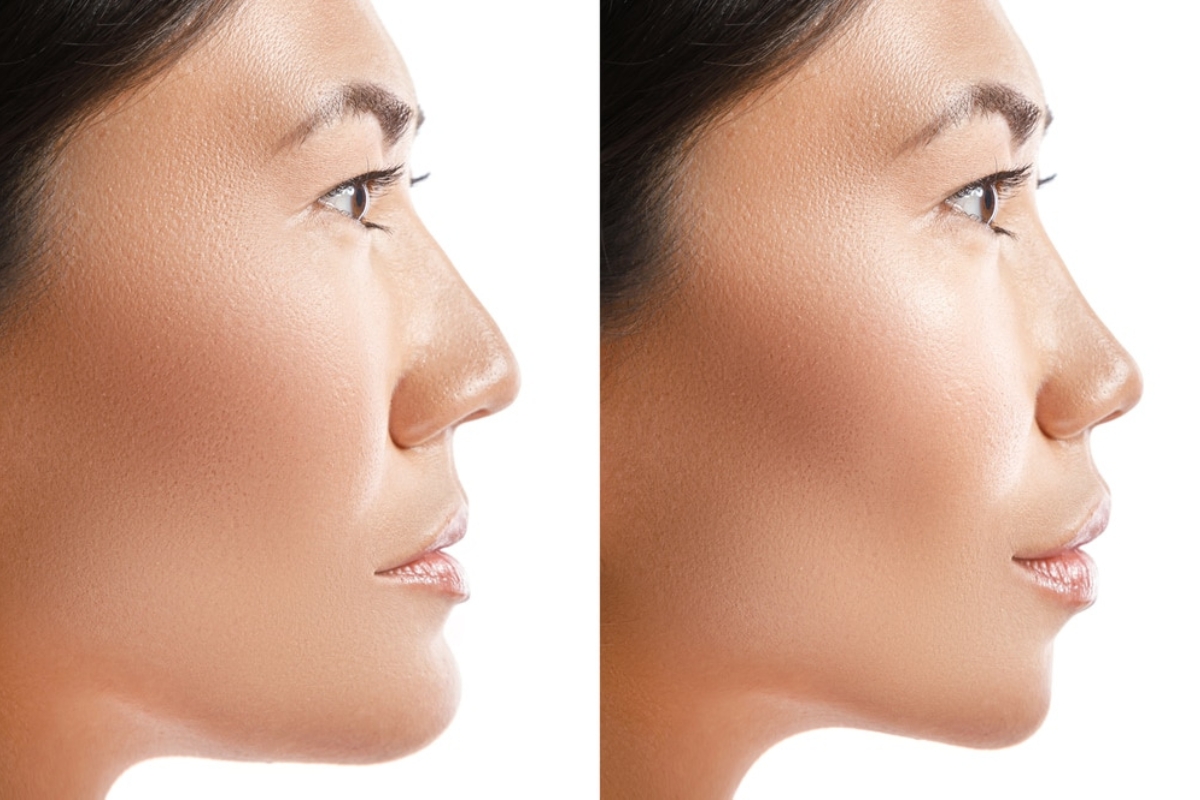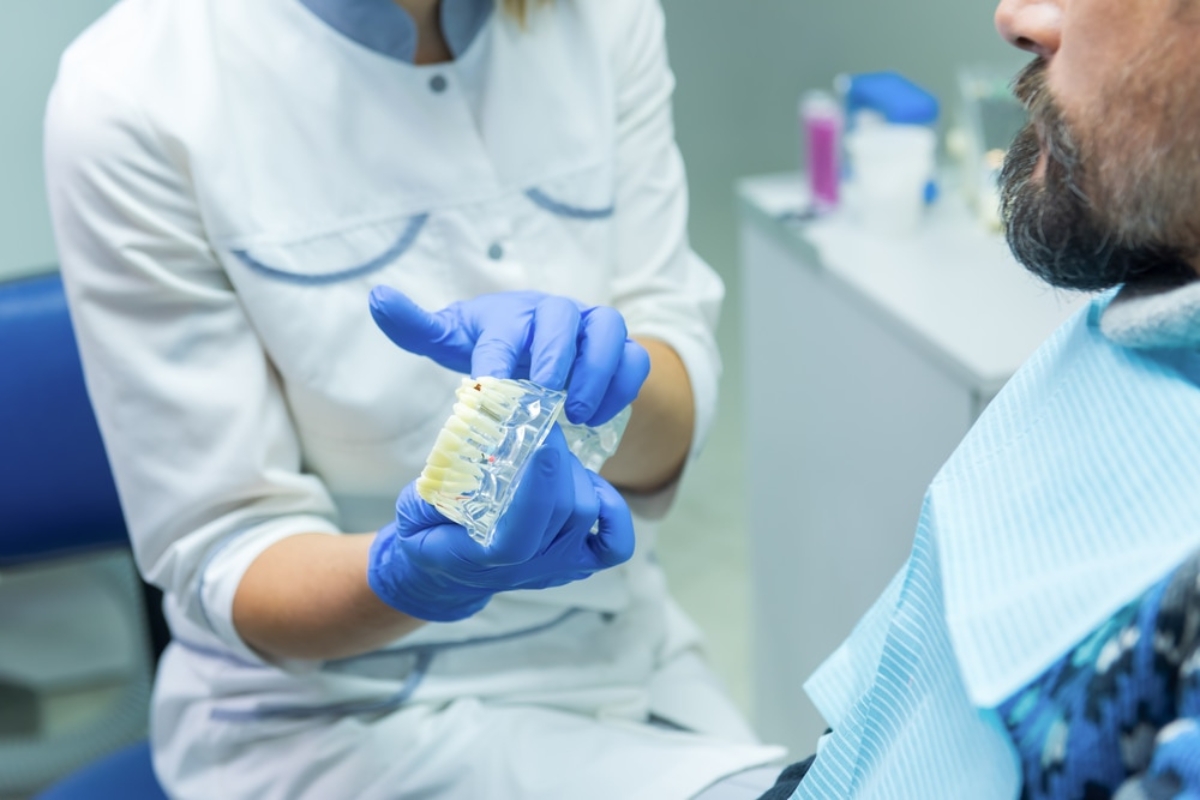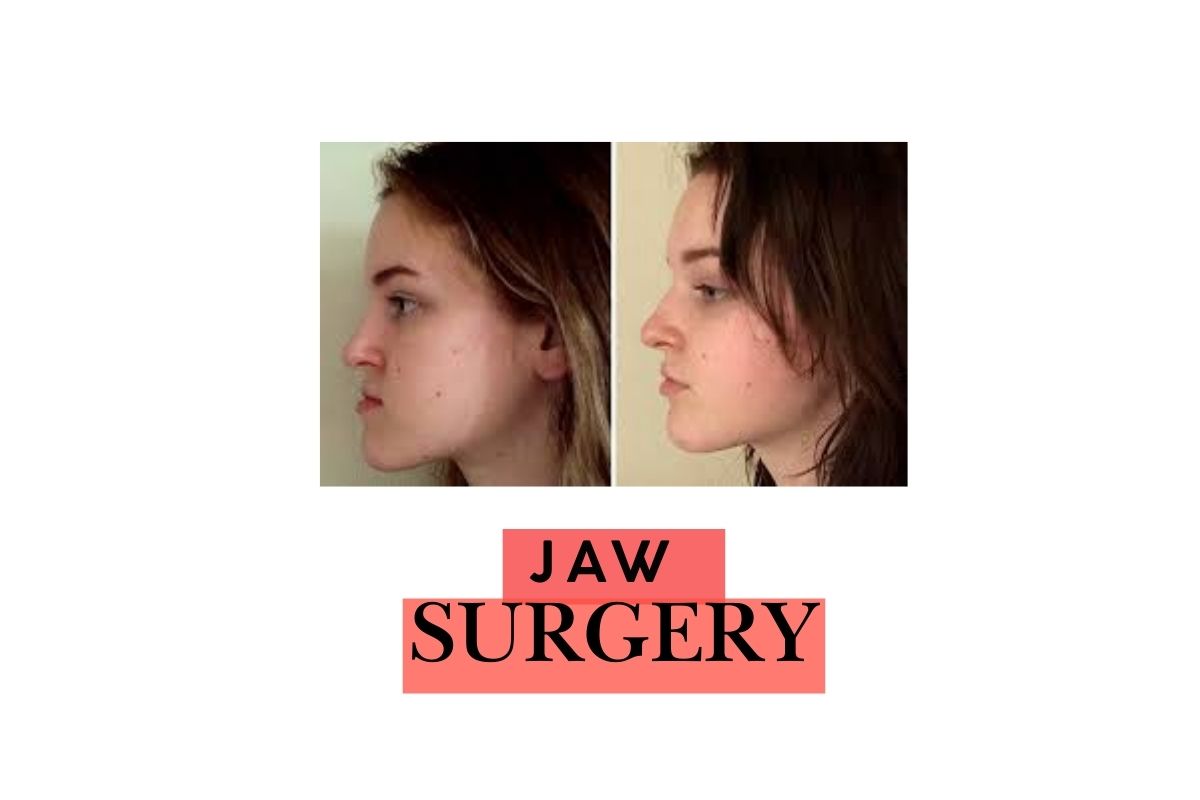
Jaw surgery, also known as orthognathic surgery, is a transformative procedure that corrects irregularities in the position of the jawbones. Far from being daunting, it can significantly enhance your facial appearance, improve your bite, and boost your oral health.
Why is Jaw Surgery Considered?
Jaw surgery is typically recommended when orthodontic treatment alone cannot effectively address underlying jawbone issues. Here are some common conditions that may necessitate jaw surgery:
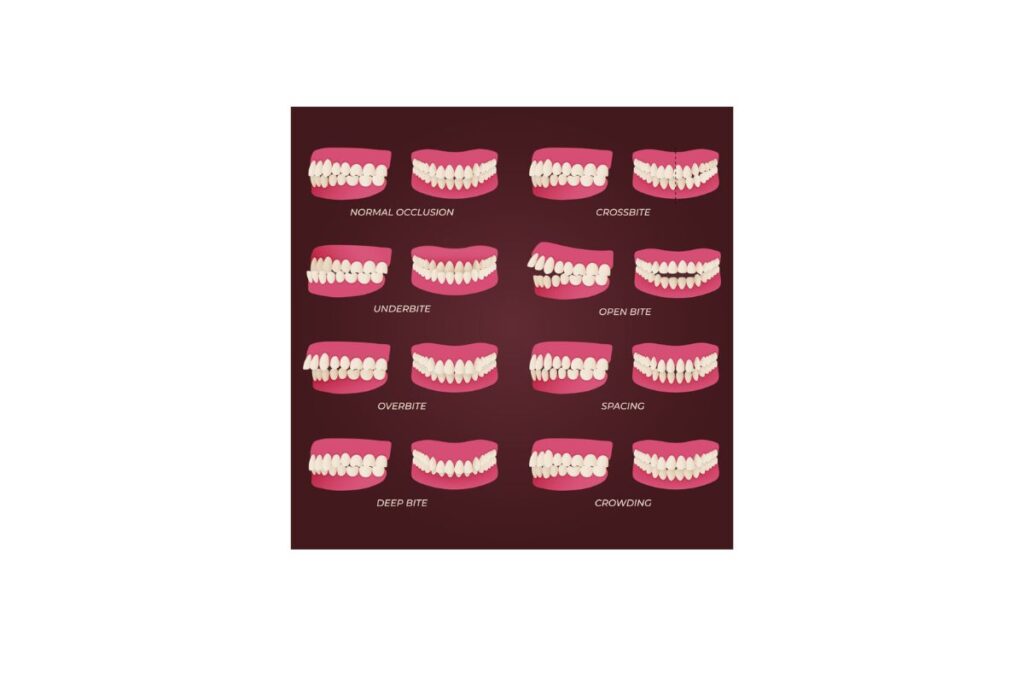
Common Orthodontic Conditions
Underbite (Class III Malocclusion)
- Characterized by: The lower jaw protrudes beyond the upper jaw.
- Impact: Difficulty chewing, speech problems, and an unbalanced facial profile.
- Jaw Surgery Solution: Surgical correction can reposition the jawbones to achieve a balanced bite and facial appearance.
Overbite (Deep Bite)
- Characterized: Excessive vertical overlap of the upper teeth over the lower teeth.
- Impact: Increased risk of tooth wear, gum recession, and difficulty closing the lips.
- Jaw Surgery Solution: Surgical intervention can correct the vertical discrepancy and improve the bite.
Open Bite
- Characterized: A gap between the upper and lower teeth when the jaws are closed.
- Impact: Difficulty chewing, speech problems, and an altered facial appearance.
- Jaw Surgery Solution: Surgical adjustment of the jawbones can bring the teeth into proper alignment.
Crossbite
- Characterized: One or more upper teeth bite inside the lower teeth.
- Impact: Uneven wear of teeth, difficulty chewing, and potential jaw joint problems.
- Jaw Surgery Solution: Surgical correction can align the teeth and jaws to improve function and aesthetics.
Sleep Apnea
- Characterized: Breathing pauses during sleep due to airway obstruction.
- Impact: Poor sleep quality, fatigue, and increased risk of severe health conditions.
- Jaw Surgery Solution: In some cases, jaw surgery can help to open the airway and alleviate sleep apnea symptoms.
The Surgical Process
Jaw surgery is typically performed under general anesthesia. The surgeon will make incisions inside the mouth to access the jawbones. Once the bones are repositioned, they are secured with screws and plates.
Recovery and Aftercare
The recovery period following jaw surgery varies depending on the specific procedure and individual factors. Patients can expect some swelling, bruising, and discomfort. A soft diet is recommended during the initial healing phase. Regular dental check-ups and orthodontic treatment may be necessary to maintain the surgery’s results.
Consult with a Qualified Orthodontist in Enid Ponca City and Stillwater, OK
If you’re dealing with jawbone issues or have been advised to consider jaw surgery, it’s crucial to consult with a qualified orthodontist. They can thoroughly assess your condition, discuss treatment options, and guide you in making informed decisions about your oral health and appearance.
Schuessler Orthodontics: Your Partner in Oral Health
Schuessler Orthodontics is committed to providing exceptional orthodontic care to patients of all ages. Our experienced team of orthodontists can evaluate your unique needs and recommend the most appropriate treatment plan, including jaw surgery if necessary.
Contact us today to schedule a consultation and learn more about how we can help you achieve a beautiful, healthy smile.