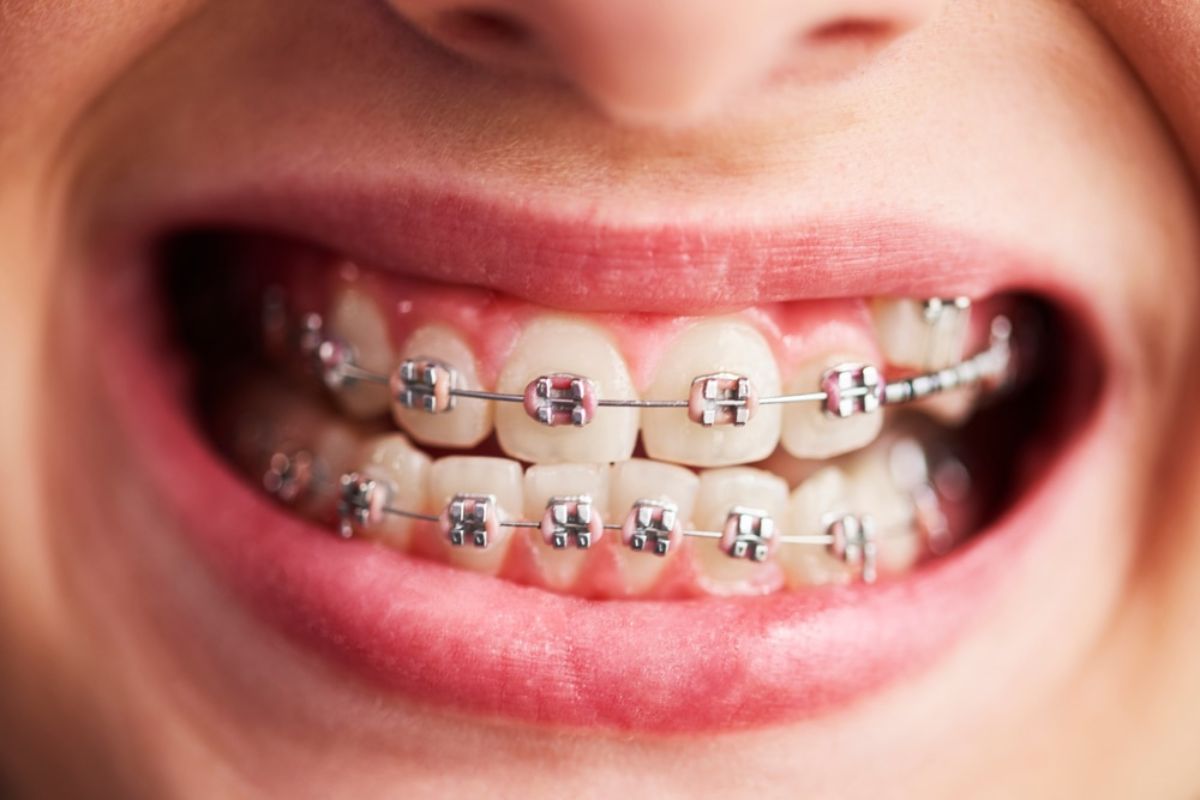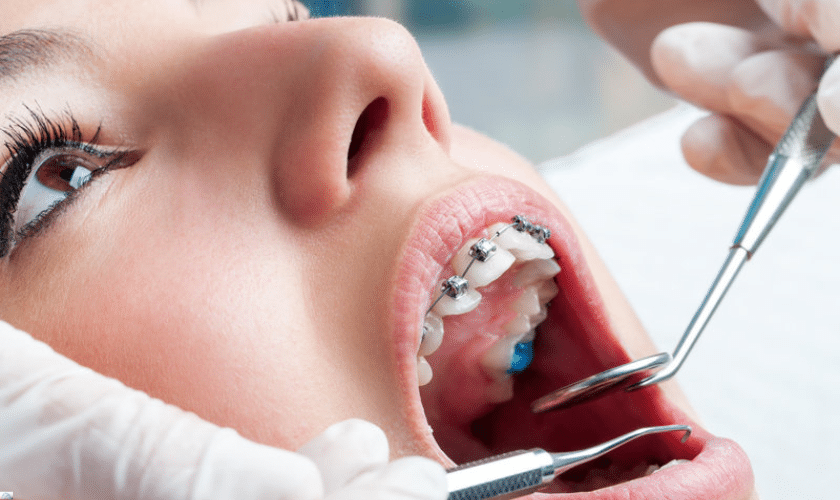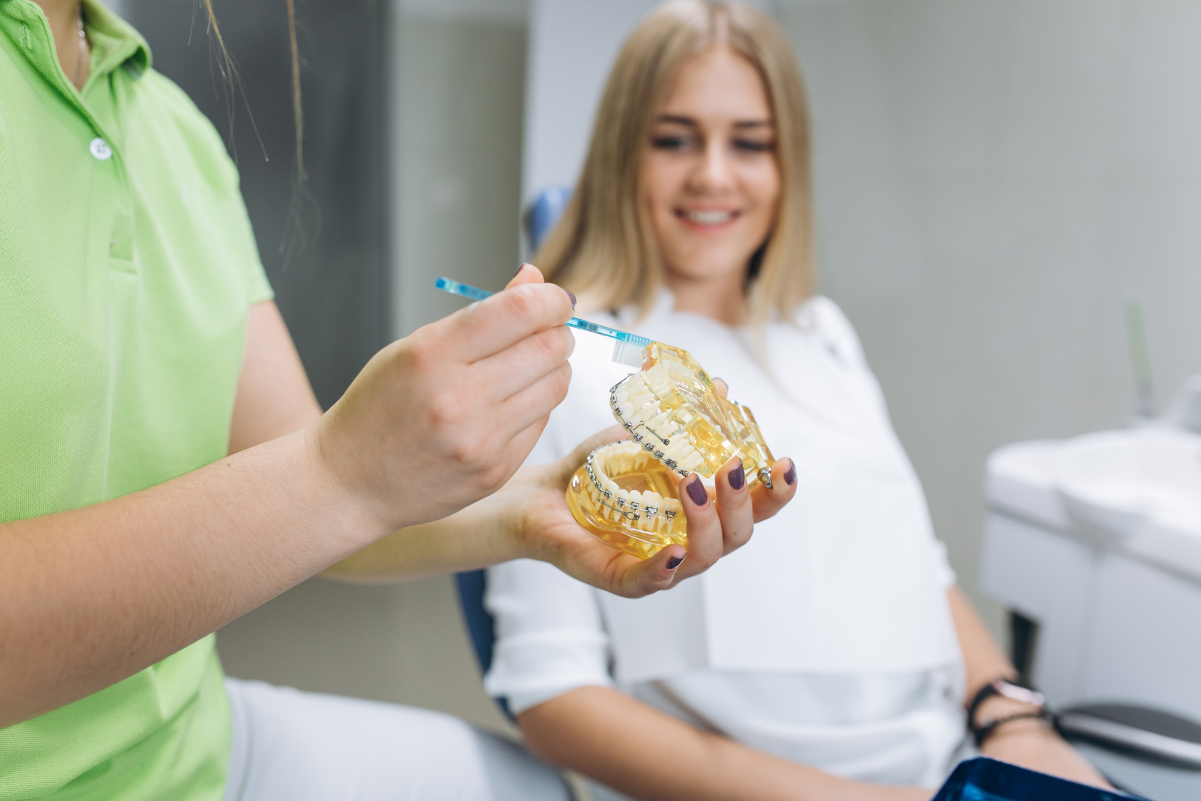
A lot of people think braces are all about looks. Straight teeth, a nice smile, better photos. That part is real. But braces do a lot more than that, and if you live in or around Enid, Oklahoma, this is worth knowing before you make any decisions about your care.
Getting braces in Enid is not just about the way your smile looks. It can change how you chew, how you breathe, and how easy it is to keep your teeth clean. The health side of orthodontic treatment is real, and it matters just as much as the cosmetic side.
This post breaks down both sides so you can see the full picture.
The Cosmetic Side Is Real, But It Is Not the Whole Story
Yes, braces improve how your smile looks. Crowded, crooked, or spaced-out teeth can affect how confident you feel when you talk or laugh. Fixing those issues gives many people a real boost in self-esteem.
But stopping there gives you only half the picture. The American Association of Orthodontists has pointed out for years that untreated bite and alignment problems can cause real health trouble over time. Cosmetics are a benefit. They are not the only reason orthodontists recommend treatment.
How Braces Support Your Oral Health
Here is where a lot of people are surprised. Braces treat problems that, if left alone, can lead to serious dental and health issues.
Crowded Teeth Are Harder to Clean
When teeth overlap, your toothbrush and floss cannot reach all the surfaces. Plaque builds up in those tight spaces. That leads to cavities and gum disease. Braces move teeth into positions where cleaning is much easier.
Bite Problems Cause Real Damage
An overbite, underbite, or crossbite puts uneven pressure on your teeth when you chew. Over time, some teeth wear down faster than others. This can lead to chips, cracks, and even tooth loss. Correcting your bite with braces spreads that pressure evenly.
Jaw Pain and TMJ Issues
A misaligned bite can stress your jaw joints. This shows up as clicking, jaw soreness, or headaches. Orthodontic treatment that brings your bite into proper alignment can reduce or even eliminate these symptoms. At Schuessler Orthodontics, Dr. Scott Schuessler also treats TMJ patients directly. He was trained by a TMJ specialist at Vanderbilt University and has expanded well beyond that training. If you have jaw popping, headaches, or muscle tightness, this kind of care may help you.
Speech and Chewing Function
Some people with severe crowding or spacing issues have trouble chewing certain foods or speak with a lisp. Braces can correct the tooth and jaw positions that cause these problems.
About the Care You Receive at Schuessler Orthodontics
Schuessler Orthodontics is led by Dr. Scott Schuessler, DDS. His background is not typical for an orthodontist. He started with a degree in Chemical Engineering from Oklahoma State University, then worked with Dow Chemical and Conoco for three years before going back to school.
He earned his dental degree from the University of Oklahoma College of Dentistry and worked as a general dentist in Edmond for six years with a focus on cosmetic dentistry. He then completed a three-year orthodontic residency at Vanderbilt University. He opened his orthodontics practice in Stillwater in 2005.
Dr. Schuessler uses an indirect bonding technique when placing braces. This method places braces more accurately and takes less time in the chair. It also tends to shorten total treatment time because of that increased accuracy.
The practice has three locations in Oklahoma: Stillwater at 607 S. Orchard St., Enid at 523 S. Cleveland St., and Ponca City at 2412 N. 14th St. You can reach the office at (405) 939-4068.
The team offers treatment for children, teens, and adults. Services include traditional metal braces, clear braces, Invisalign clear aligners, retainers, and orthognathic surgery referrals when needed.
Who Actually Needs Braces?
The short answer is: more people than you might think. The American Association of Orthodontists recommends that children get a first orthodontic check by age 7. That does not mean treatment starts at 7. It means a trained eye can spot problems early and plan ahead.
Adults can benefit too. Teeth can be moved at any age as long as the gums and bone are healthy. Many adults in northwest Oklahoma are choosing to get braces in Enid or at one of the other nearby locations because they want to address problems they have lived with for years.
Common problems that braces treat include crowding, spacing, overbite, underbite, crossbite, open bite, and protruding teeth. Each of these has both cosmetic and functional impact.
Types of Braces Available Today
Treatment options have grown quite a bit. You are not limited to metal brackets anymore. The main options are:
Traditional metal braces: Highly effective and usually the most affordable option. They work well for complex cases.
Clear ceramic braces: These blend in with your teeth more naturally than metal. They work the same way but are much less visible.
Invisalign clear aligners: Removable trays that are nearly invisible. Good for mild to moderate cases and popular with adults who do not want visible hardware.
Your orthodontist will recommend the option that fits your case, your lifestyle, and your budget.
Getting Orthodontic Care in Northwest Oklahoma
Living in a tight-knit community like Enid or the surrounding area means you want care close to home. Driving far for every appointment is not realistic when you have appointments every six to eight weeks.
When people search for an orthodontist near me, they are looking for someone local they can trust with their family’s care. Having a practice with multiple locations across this part of Oklahoma means families in Enid, Ponca City, and Stillwater can all get consistent, quality care without long travel.
Schuessler Orthodontics offers early morning and after-school appointments to fit school and work schedules. They also have flexible financing options and work with major insurance providers.
The Bottom Line
Braces are not just about how your teeth look. They fix real health problems that, left alone, can get worse over time. From gum disease to jaw pain to worn-down enamel, untreated bite and alignment issues carry real costs.
The cosmetic results are a genuine benefit. But so is being able to chew properly, clean your teeth easily, and avoid jaw problems as you get older.
If you have been thinking about getting braces in Enid or anywhere nearby, the first step is a consultation. You will leave knowing exactly what your options are. If you have been searching for an orthodontist near me and want a team with a long track record in this area, schedule a consultation with Schuessler Orthodontics to get a clear, honest look at what treatment could do for you.
Frequently Asked Questions
1. Are braces covered by dental insurance?
Many dental insurance plans cover part of orthodontic treatment, especially for children. Coverage for adults varies. Schuessler Orthodontics is contracted with major insurance providers and can help you understand your benefits before you start.
2. At what age should my child first see an orthodontist?
The American Association of Orthodontists recommends a first visit by age 7. This does not mean treatment starts at that age. It just lets the orthodontist catch any developing problems early and plan ahead when the time is right.
3. Can adults get braces?
Yes. Teeth can move at any age as long as your gums and supporting bone are healthy. Adults make up a growing share of orthodontic patients today, and treatment works just as well for them as it does for younger patients.
4. How long does treatment with braces take?
It depends on the case. Simple corrections can take less than a year. More involved cases can take 18 to 24 months. Your orthodontist will give you an honest estimate after the initial exam.
5. Do braces hurt?
There is usually some soreness in the first few days after getting braces or after an adjustment. This is normal and goes away within a few days. Over-the-counter pain relief works well during that time.
6. What is the difference between braces and Invisalign?
Braces use metal or ceramic brackets bonded to your teeth. Invisalign uses a series of clear, removable trays. Both move teeth effectively. The right choice depends on the complexity of your case and your personal preference. Your orthodontist will help you decide.
7. Will I need a retainer after braces?
Yes. Retainers hold your teeth in their new positions after treatment is complete. Without one, teeth can shift back over time. Your orthodontist will fit you for a retainer when your braces come off.
8. Can braces help with jaw pain or TMJ problems?
In many cases, yes. A misaligned bite puts strain on your jaw joints. Correcting the bite can reduce or eliminate jaw clicking, soreness, and headaches. At Schuessler Orthodontics, Dr. Schuessler treats TMJ patients directly and has advanced training in this area.