You leave your orthodontic appointment feeling fine. Then, a few hours later, your teeth start to feel tight, sore, or tender.
Sound familiar?
That pressure can make you wonder if something went wrong during your adjustment. In most cases, it is a normal part of tooth movement. Braces use gentle, steady force to guide teeth into better positions, and your mouth needs time to adjust to each new change.
If you have braces, understanding why this pressure happens can help you feel more prepared after each appointment.
Why Do Braces Feel Tighter After an Adjustment?
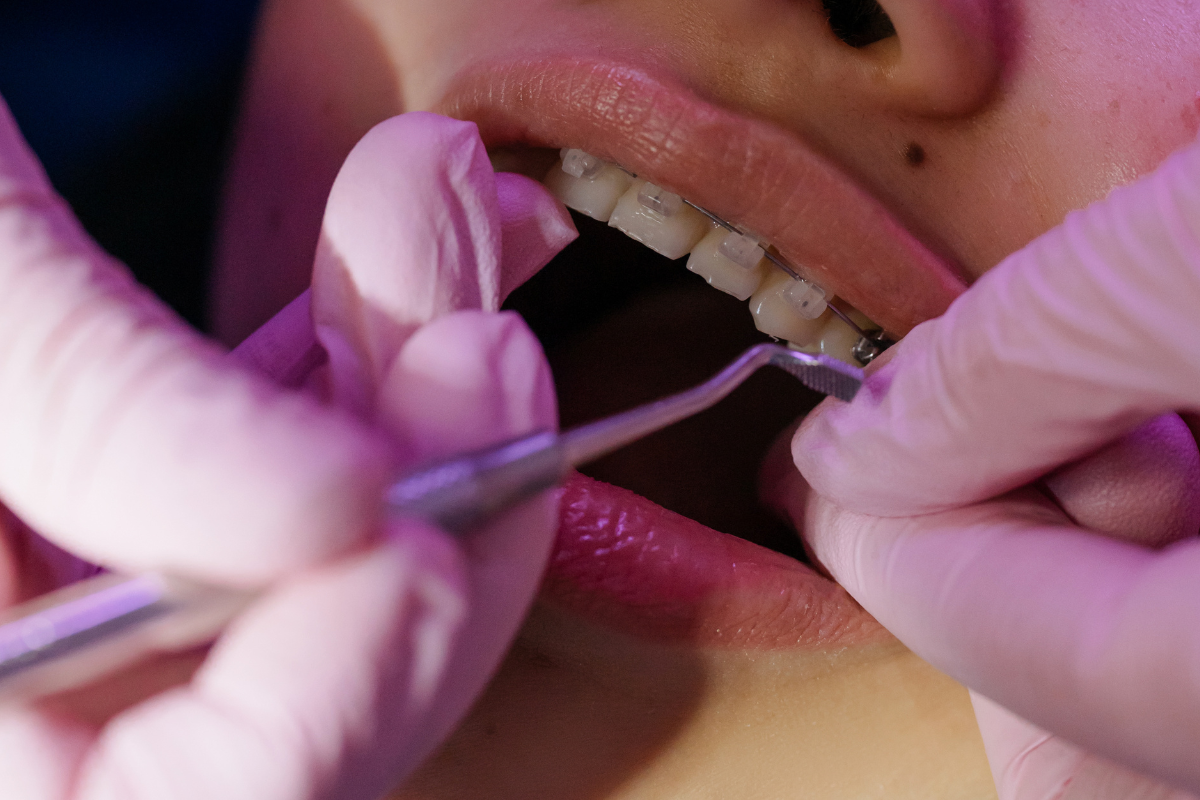
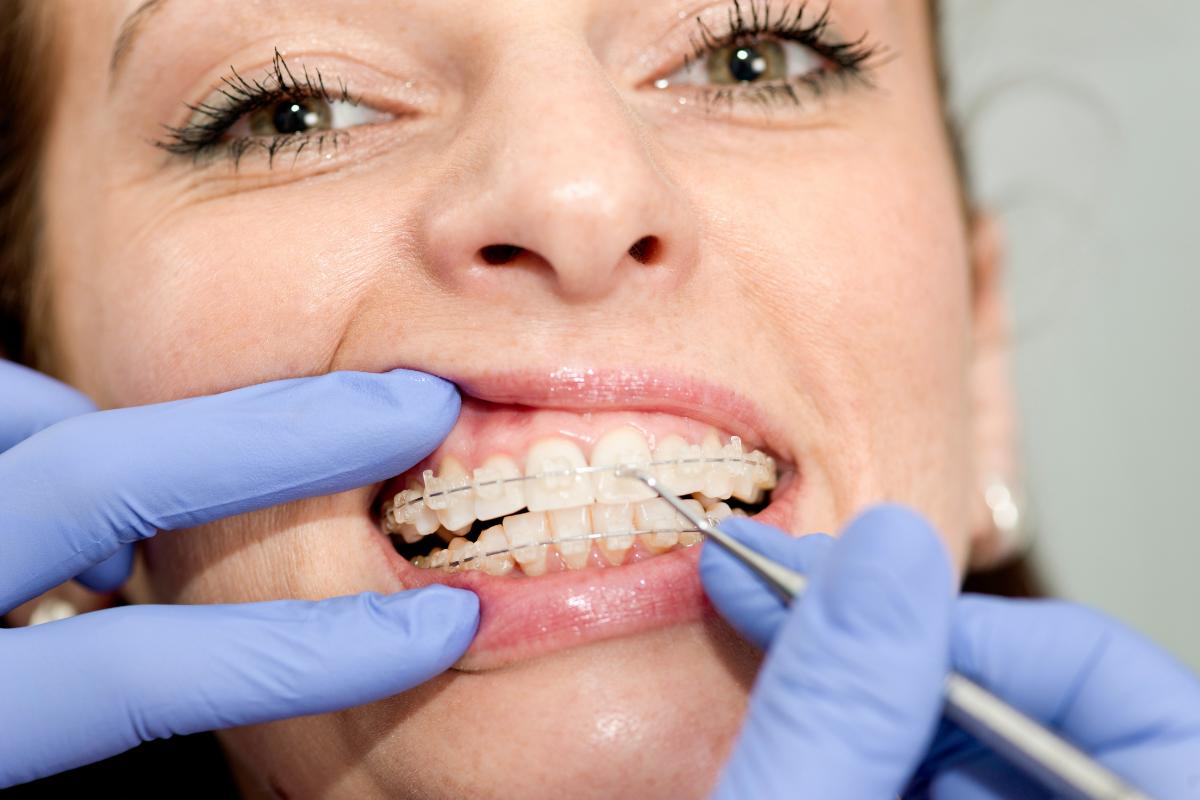
Braces move teeth by applying controlled force through brackets, wires, and other parts of the appliance. During an adjustment, your orthodontist may replace or change the archwire, adjust the braces, or add another part to guide certain teeth.
This creates a new level or direction of pressure.
Your teeth are held in the jaw by a thin layer of tissue called the periodontal ligament. When force is placed on a tooth, this tissue responds. The bone around the tooth also changes as the tooth slowly moves.
That process can cause temporary:
- Pressure
- Tenderness
- A dull ache
- Sensitivity when chewing
- A feeling that your teeth are loose or tight
The American Association of Orthodontists says mild soreness after an adjustment is common and usually lasts only a few days.
What Is Happening Beneath the Surface?
Your teeth do not move through the jaw all at once.
The body slowly changes the bone around each tooth so that the tooth can shift into its planned position. Some areas of the supporting bone break down while new bone forms around the tooth as it settles into its new location.
This is why orthodontic treatment takes time.
The pressure you feel after an adjustment is part of this biological process. It does not mean your teeth are being forced into place overnight.
A Simple Look at the Process
Adjustment
↓
New force is placed on selected teeth
↓
The supporting tissues respond
↓
Bone gradually remodels
↓
The tooth moves toward its planned position
That steady process is what makes orthodontic treatment possible.
How Long Does the Pressure Last?
Every patient responds differently.
For many people, soreness is most noticeable during the first 24 to 48 hours. It usually becomes easier as the mouth adjusts. The American Association of Orthodontists notes that discomfort after an adjustment generally fades within a few days.
You may notice more soreness when:
- Several teeth are being moved
- Your wire has been changed
- Your bite is being adjusted
- Certain teeth need more movement
- Your mouth is more sensitive than usual
If the discomfort is getting better each day, that is generally reassuring.
Pressure vs Pain: Know the Difference
This is one of the most useful things to understand.
Normal adjustment discomfort may feel like:
- A dull ache
- Tightness around the teeth
- Tenderness when biting
- Mild sensitivity
- General soreness
A problem may feel like:
- Sharp or severe pain
- A wire repeatedly poking one spot
- A loose bracket causing irritation
- Swelling
- Pain that keeps getting worse
- Unusual discomfort that does not improve
A broken bracket or displaced wire can cause pain that has nothing to do with normal tooth movement. The American Academy of Ophthalmology (AAO) recommends contacting your orthodontist if you have a broken appliance, unusual discomfort, or another concern with your treatment.
What Can You Eat After Your Braces Are Tightened?
Your teeth may feel tender when you bite, so this is not the best time to challenge them with a bowl of hard pretzels.
For the first day or two, softer foods may feel much better.
Good choices include:
- Yogurt
- Scrambled eggs
- Oatmeal
- Pasta
- Soft rice
- Mashed potatoes
- Applesauce
- Smoothies
- Soft-cooked vegetables
- Soup that is warm rather than very hot
As your teeth feel better, you can return to your usual diet while still following the food rules given by your orthodontic team.
Hard, sticky, and very crunchy foods can damage brackets and wires, so they are best avoided throughout treatment.
5 Simple Ways to Manage Soreness
You do not have to simply sit around waiting for the discomfort to disappear.
1. Choose Soft Foods
Soft meals reduce the amount of pressure placed on tender teeth while your mouth adjusts.
2. Use a Cold Compress
A cold compress against the outside of your cheek can help soothe discomfort. Use it for short periods and protect your skin with a cloth.
3. Try Warm Salt Water
A warm saltwater rinse can help if your cheeks or gums feel irritated. The AAO lists warm salt water as one option for managing mouth discomfort during orthodontic treatment.
4. Use Orthodontic Wax
If a bracket or wire rubs against your cheek, orthodontic wax can create a smooth barrier and reduce irritation.
5. Follow Medication Directions
If you use an over-the-counter pain reliever, follow the label instructions or guidance from your health care provider. Do not exceed the recommended dose.
Why Regular Adjustments Matter
It may seem logical to think that avoiding adjustments would prevent discomfort.
But adjustments are an important part of treatment.
Your orthodontist checks your progress and makes changes based on how your teeth are responding. The goal is controlled movement, not simply making your braces feel tight.
The AAO states that adjustment visits are commonly scheduled every four to 12 weeks, depending on the stage of treatment and the patient’s needs.
For patients receiving braces in ponca city, the timing and type of each adjustment can vary because every treatment plan is different.
What If Only One Tooth Feels Sore?
That can happen.
Not every tooth moves at the same rate or in the same direction. Your orthodontist may apply force to certain teeth while leaving others relatively unchanged.
One tooth may therefore feel more tender than the rest.
Still, pay attention to the type of discomfort. A mild ache can be expected. Sharp pain, swelling, or pain that keeps getting worse deserves a call to your orthodontic office.
When Should You Contact Your Orthodontist?
Do not ignore pain simply because you have braces.
Contact your orthodontic team if you notice:
- Severe pain
- Pain that continues or worsens
- A loose bracket
- A broken wire
- A wire that is sharply poking your cheek
- Significant swelling
- A damaged appliance
- A problem that makes it difficult to eat or speak
A quick call can help determine whether you need an appointment or simple care at home.
Know Our Doctor
Dr. Scott Schuessler
Dr. Scott Schuessler has a strong background in both dentistry and orthodontics.
He graduated from Oklahoma State University with a degree in Chemical Engineering. After spending three years with Dow Chemical and Conoco, he returned to school and earned his dental degree from the University of Oklahoma College of Dentistry.
Dr. Schuessler then practiced general dentistry in Edmond for six years, with a focus on cosmetic dentistry. He later completed a three-year orthodontic residency at Vanderbilt University. He began his orthodontic practice in Stillwater in 2005. His practice provides orthodontic care for children, teens, and adults, including traditional braces, ceramic braces, clear aligners, and retainers. Patients looking for an orthodontist in ponca city can visit the Ponca City office at 2412 N 14th St. The practice also has locations in Stillwater and Enid.
What Our Patients Say
Real patient feedback can help explain what the treatment experience feels like over time.
“If you are looking for an Orthodontist that truly cares about your smile, then look no further! Dr. Schuessler and his team have exceeded my expectations in a doctor and clinic. My daughter’s case was unique and with Dr. Schuessler’s experience, his TOP notch Ortho assistant Synfanie, and his helpful front office Brook and Heather..my daughter would not be as confident as she is! This experience has been nothing short of great. With all my questions and concerns, Dr. Schuessler always took the time in explaining with patience and knowledge. Im forever grateful for this awesome staff and amazing Doctor.”
★★★★★ (Noemi Espino).
This Google review reflects a family’s experience with orthodontic care over time, including the treatment process and results. Schuessler Orthodontics features this patient feedback on its website.
Local Orthodontic Care in Ponca City
The Ponca City office is located at 2412 N 14th St, Ponca City, OK 74601. The office is open Monday through Friday, with weekday hours listed by the practice.
Having a nearby office can make routine adjustment visits easier to fit into school, work, and family schedules.
For someone searching for an orthodontist in ponca city, a local evaluation can also provide a chance to ask questions about soreness, treatment progress, braces care, and what to expect at future visits.
Frequently Asked Questions
1. Is pressure after tightening braces normal?
Yes. Mild pressure and tenderness are common because your teeth are responding to a new orthodontic force.
2. How long will my teeth hurt after an adjustment?
Many patients feel the most soreness during the first day or two. It usually improves within a few days.
3. Why do my teeth hurt when I chew?
Your teeth may be temporarily sensitive after an adjustment. Softer foods can make eating more comfortable until the tenderness settles.
4. Should I stop brushing if my teeth are sore?
No. Continue brushing and flossing as directed. Use a gentle touch around sensitive areas.
5. What should I do if my braces are rubbing my cheek?
Orthodontic wax can cover an irritating bracket or wire. If the problem continues, contact your orthodontic office.
6. Does more soreness mean my treatment is working better?
No. Pain is not a measure of treatment success. Orthodontic treatment relies on controlled tooth movement.
7. What if my pain does not improve?
Contact your orthodontist. Ongoing or worsening pain may need an examination to rule out a broken appliance or another issue.
8. Can I take pain medicine after an adjustment?
Some patients use over-the-counter pain medicine for temporary soreness. Follow the product directions and ask your health care provider if you are unsure whether a medicine is right for you.
The Bottom Line
Pressure after a braces adjustment can feel strange, but mild soreness is usually part of the tooth movement process. Your braces apply controlled force. Your supporting tissues respond. Over time, your teeth gradually move toward their planned positions. If you have braces, give your mouth a little time to adjust after each visit. Soft foods, cold compresses, warm saltwater rinses, and orthodontic wax can make those first few days easier.
Do not ignore severe, sharp, or worsening pain. A loose bracket, broken wire, swelling, or unusual discomfort deserves attention. Schuessler Orthodontics serves patients in Ponca City, Stillwater, and Enid. If you have questions about discomfort after an adjustment, schedule an appointment and have your orthodontic team check the problem.