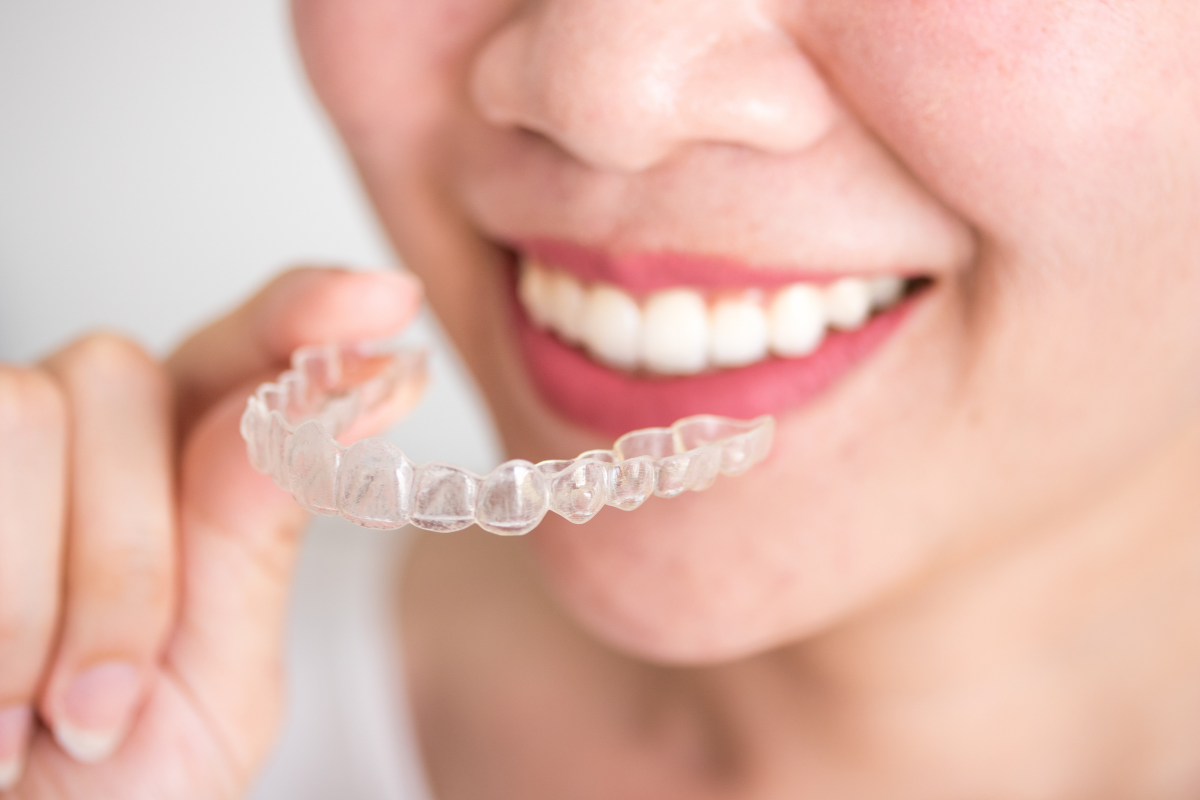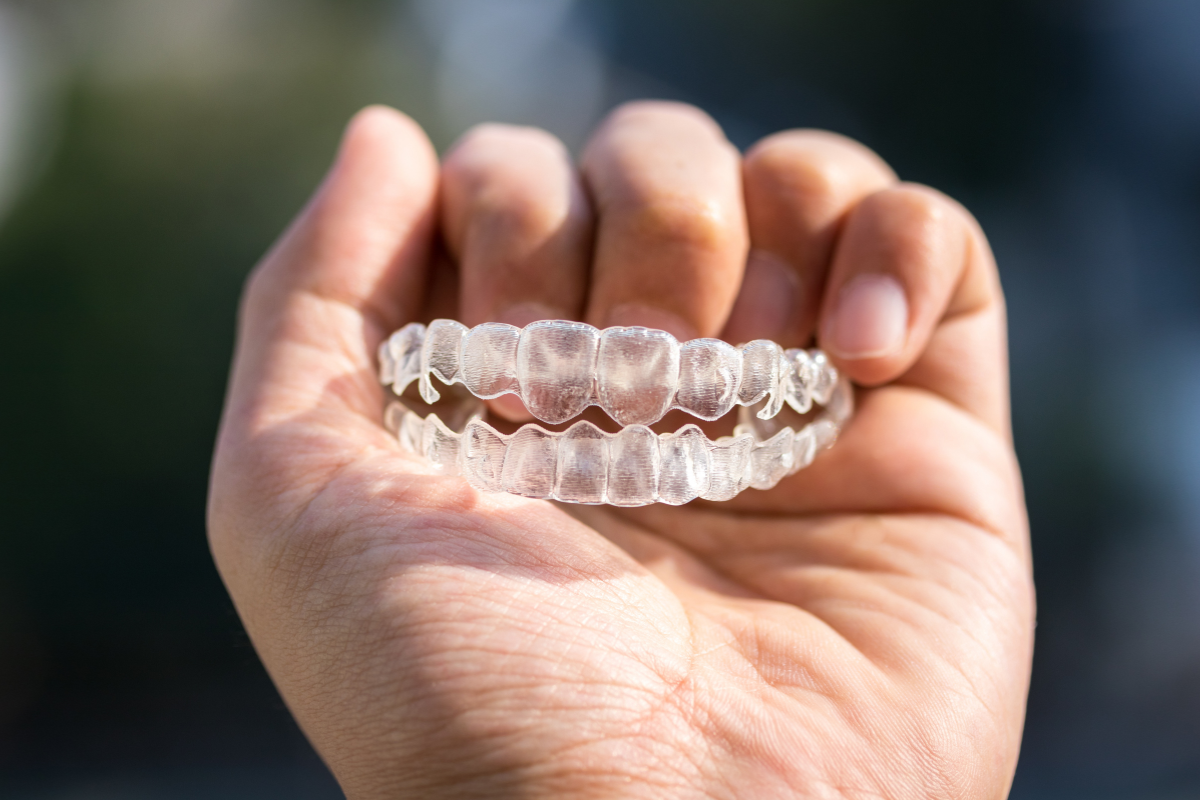
If you are thinking about straighter teeth without metal brackets, you have probably asked yourself one question first. Will it hurt? That question comes up almost every day at our practice, and it makes sense. Nobody wants to sign up for weeks of pain just to fix their smile. The good news is that most patients who choose invisalign in Enid describe the first week as mild pressure, not sharp pain. Once your mouth gets used to the new trays, that pressure fades fast.
This guide walks you through what your mouth actually feels during week one, why that feeling happens, and simple steps that make the adjustment easier. We will also look at how clear aligners compare to metal braces on the comfort scale, and what our team at Schuessler Orthodontics sees most often with new patients.
Is Invisalign Actually Painful?
Pain is the wrong word for most of what you will feel. A better word is pressure. Each new set of aligners is built to move your teeth a small step closer to their final spot. That gentle push is what you notice, especially in the first two or three days after you switch to a new tray.
Some people feel nothing at all. Others feel a dull ache along the gum line or a tight feeling when they bite down. Both are normal. Your teeth are held in place by a ligament that has to stretch and adjust as your teeth shift. That process is not instant, and your body needs a few days to catch up with each new tray.
Day by Day: What the First Week Feels Like
Every mouth is different, but most new patients follow a pattern that looks close to this.
| Day | What You May Feel | What Helps |
| Day 1 | Tightness when the tray first goes in | Bite on the provided chewies to seat the tray fully |
| Day 2-3 | Peak pressure, mild soreness when chewing | Stick to soft foods, drink cold water |
| Day 4-5 | Pressure starts to fade | Warm salt water rinse if gums feel tender |
| Day 6-7 | Mouth feels mostly normal again | Resume regular meals, keep wearing trays 20-22 hours a day |
By the end of the week, most patients say the discomfort is barely noticeable. The pattern then repeats in a smaller way each time you switch to a new tray, usually every one to two weeks depending on your treatment plan.
Invisalign vs Traditional Braces: A Comfort Comparison
Patients often ask how clear aligners stack up against metal braces when it comes to daily comfort. Here is a simple side by side look.
| Feature | Invisalign | Traditional Braces |
| Initial discomfort | Mild pressure, first 2-3 days per tray | Soreness for several days after each tightening |
| Mouth sores or cuts | Rare, trays are smooth plastic | More common from brackets and wires |
| Eating restrictions | None, trays come out to eat | Sticky and hard foods are off limits |
| Cleaning routine | Remove trays, brush and floss normally | Brushing around brackets takes extra time |
| Speech adjustment | Short lisp for a few days, then normal | No real speech change |
This chart is a general guide, not a promise. Many patients who choose invisalign in enid tell us the lack of brackets and wires is what makes the daily routine so much easier. Your own experience depends on how much movement your teeth need and how closely you follow the wear schedule your orthodontist gives you.
Simple Tips to Ease First-Week Discomfort
A few habits make a real difference during that first stretch of treatment.
- Switch to new trays at night. Sleeping through the peak pressure hours means you feel less of it while awake.
- Keep cold water nearby. Cold temperatures calm inflamed gum tissue.
- Eat softer meals for the first two days. Soup, eggs, and pasta are easy choices.
- Use the chewies your orthodontist gives you. They help seat the tray fully so it fits snug against your teeth.
- Take an over the counter pain reliever if needed, following the label directions.
Most patients say that once they get through their first tray, every tray after that feels easier because they know what to expect. Choosing invisalign in Enid means you get a treatment plan built around your bite, so your comfort level is tracked at every visit.
Know Your Orthodontist
Getting comfortable with treatment starts with trusting the person guiding your care. Dr. Scott Schuessler leads treatment at Schuessler Orthodontics. He earned a degree in Chemical Engineering from Oklahoma State University before working for several years in the chemical industry. He then went back to school at the University of Oklahoma College of Dentistry and spent six years practicing general dentistry in Edmond, with a focus on cosmetic work. After that, he studied orthodontics for three years at Vanderbilt University. He opened his orthodontic practice in Stillwater in 2005 and has treated patients across Stillwater, Ponca City, and Enid ever since.
Dr. Schuessler is married with three sons, and he stays active in his church and community. That local, family focused approach carries into how the practice treats every patient who walks through the door. If you are searching for an orthodontist in Enid who takes time to explain each step of your treatment, our team welcomes new patients and emergency visits alike.
When to Call Your Orthodontist
Mild pressure is normal, and any experienced orthodontist in Enid will tell you it usually settles within a few days. A few signs are worth a phone call instead of waiting it out.
- Sharp pain that does not ease after four or five days
- A tray that cracks, chips, or will not seat properly
- Sores that do not heal or seem to be getting worse
- Swelling around the gums
Our team would rather hear from you early than have you push through something that needs attention.
Frequently Asked Questions
1. How long does the soreness from a new tray usually last?
Most patients notice pressure for two to three days after switching trays, and it fades on its own after that.
2. Can I take pain medication during treatment?
Yes, an over the counter pain reliever is fine to use as needed, following the package directions.
3. Will Invisalign affect how I talk?
Some people notice a slight lisp for the first few days. It usually goes away once your tongue adjusts to the trays.
4. How many hours a day do I need to wear my trays?
Most treatment plans call for 20 to 22 hours of wear each day, removing trays only to eat and brush.
5. What should I do if a tray feels too tight to put in?
Try again the next day, since a little extra time often helps. If it still will not seat after a couple of days, call the office.
6. Can I eat normally once treatment starts?
Yes, since trays come out before meals, there are no food restrictions like there are with metal braces.
7. How often will I switch to a new tray?
This varies by treatment plan, but many patients switch every one to two weeks.
8. Is clear aligner treatment a good fit for teenagers as well as adults?
Yes, many teens and adults both do well with clear aligners, and your orthodontist can help decide if it fits your specific bite.
Ready to Get Started?
A little pressure for a few days is a small trade for a smile you feel good about. If you have been putting off treatment because you are worried about pain, know that most patients handle the first week just fine, and our team is here for every question along the way. Schuessler Orthodontics has helped patients through invisalign in Enid, Stillwater, and Ponca City for years, and we would be glad to walk you through what treatment would look like for your smile.
Looking for a trusted orthodontist in Enid to start your journey? Request an appointment today and let our team answer your questions in person. You can also learn more about our Invisalign treatment or visit our Enid office page for hours and directions.