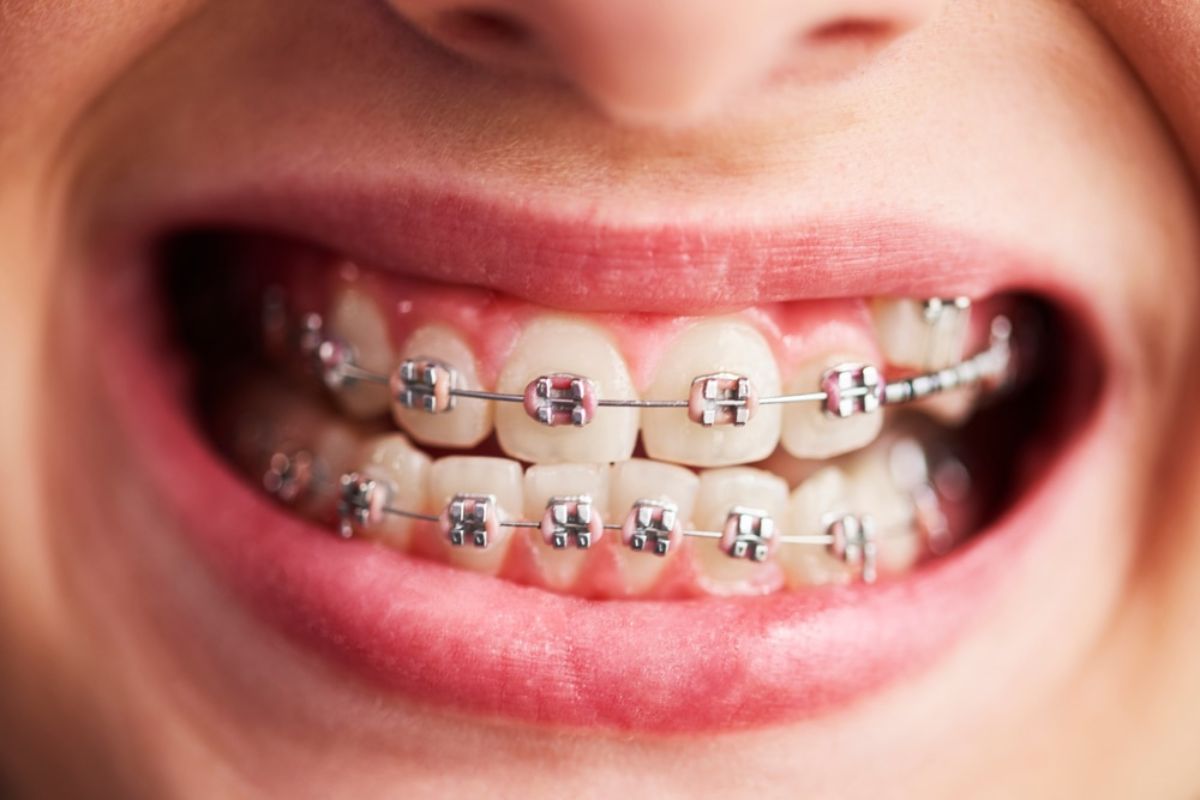
Are you considering getting braces? It’s a decision that can greatly improve your oral health and give you the perfect smile, but it’s important to know what you’re getting into before making any commitments. With so many different types of braces on the market, choosing the right one for you can be overwhelming. But don’t worry! In this blog post, we’ll cover everything you need to know about getting braces – from types of braces to how to wear them and what to do if they cause pain. So sit back, relax, and let’s dive into the world of dental braces!
Types of Braces
When it comes to types of braces, the options can seem endless. The most common type is traditional metal braces, which use brackets and wires to apply pressure and move your teeth into place over time. These are usually the most affordable option but may not be ideal for those concerned about aesthetics.
Ceramic braces are similar to metal braces but have tooth-colored or clear brackets that blend in with your natural teeth. They’re less noticeable than metal braces and still offer effective treatment.
Lingual braces are another discreet option as they’re placed behind the teeth instead of on the front like traditional braces. However, lingual braces require more maintenance and can take longer to adjust to compared to other types.
For those looking for a removable option, Invisalign aligners might be right for you. Made of clear plastic trays that fit over your teeth, Invisalign offers a virtually invisible way to straighten your smile without any dietary restrictions or extra maintenance required.
Choosing which type of brace is best for you comes down to personal preference and consulting with an orthodontist who will help guide you towards making an informed decision based on your specific needs.
How to Choose the Right Type of Brace?
Choosing the right type of brace can be overwhelming, but it’s important to consider your specific needs and preferences. There are several types of braces available, including traditional metal braces, ceramic braces, lingual braces and clear aligners.
Traditional metal braces are the most common type of brace and they’re known for their durability. Ceramic braces offer a more discreet option as they blend in with your teeth, making them less noticeable than traditional metal ones. Lingual braces are placed on the backside of your teeth which makes them nearly invisible from the front.
Clear aligners like Invisalign provide a removable option that is also virtually unnoticeable when wearing them. It’s important to note that clear aligners may not be suitable for complex dental issues.
When deciding on which type of brace to choose you should consider factors such as cost, appearance and level of maintenance required. You’ll want to discuss these options with your orthodontist who will help guide you towards what would work best for you based on your individual needs.
Choosing the right type of brace requires careful consideration and consultation with an experienced orthodontist who can help evaluate all aspects involved in achieving optimal results based on each patient’s unique situation.
How to Wear Your Braces?
Wearing braces can be a bit intimidating at first, but it’s important to remember that they are helping you achieve a healthier smile in the long run. The process of wearing braces involves small adjustments over time, so it’s important to be patient and follow your orthodontist’s instructions closely.
One key factor is maintaining good oral hygiene while wearing braces. This means brushing thoroughly after every meal and flossing daily to prevent food particles from getting stuck between the brackets and wires. It may take some extra effort, but the end result will be worth it.
Another aspect of wearing braces is being mindful of what you eat. Hard or sticky foods should be avoided as they can damage your braces or cause them to become loose. Your orthodontist will provide a list of foods to avoid during treatment, so make sure to follow their guidelines.
It is also important not to miss any appointments with your orthodontist for adjustments or check-ups. These appointments are crucial for ensuring that your treatment progresses smoothly and efficiently.
Don’t forget about protecting your mouth during physical activity! If you play sports or engage in other high-impact activities, make sure to wear a protective mouthguard over your braces.
Following these tips on how to wear your braces properly will help ensure that you get the best results possible from your treatment.
What to Do If You Experience Pain?
Experiencing pain during the first few days of wearing braces is common and expected. The discomfort may last for a few days to a week, but it will gradually subside as your mouth adjusts to the new appliance. However, there are still things you can do to alleviate any pain or soreness you might be feeling.
One of the easiest ways to manage brace pain is by taking over-the-counter pain relievers such as ibuprofen or acetaminophen. These medications can help reduce inflammation and relieve discomfort.
Another way to ease any discomfort is by using orthodontic wax. Simply apply a small amount of wax onto the brackets or wires that are causing irritation in your mouth. This will provide a protective barrier between your braces and cheeks, lips, or tongue.
You can also try rinsing your mouth with warm salt water several times per day. This will help soothe swollen gums and promote healing if there are any cuts in your mouth caused by rubbing from brackets or wires.
If the pain persists beyond a week or becomes unbearable, contact your orthodontist immediately for further guidance on how best to manage it. Remember, proper oral hygiene practices such as brushing twice daily and flossing once per day can also prevent additional complications while on treatment with braces!
When to Contact Your Dentist About Braces?
It’s important to keep in mind that getting braces is not a one-size-fits-all solution. While they can be incredibly effective at fixing misaligned teeth and improving the overall appearance of your smile, there are some situations where you should contact your dentist about your braces.
If you experience any severe pain or discomfort while wearing your braces, it’s important to speak with your dentist as soon as possible. This could be a sign that something is not right with the treatment plan or that adjustments need to be made.
Another circumstance where you may need to contact your dentist about braces is if you notice any signs of damage to the brackets or wires. While minor issues can often be handled at home, more serious damage will require professional attention.
If you have any questions or concerns about your treatment plan or progress, don’t hesitate to reach out to your dentist. They are there to help guide you through the process and ensure that you get the best results possible from wearing braces.
The Bottom Line
Getting braces can be a life-changing decision that will significantly improve your oral health and boost your confidence. However, it’s essential to know what you’re getting into before committing to the process.
By understanding the types of braces available, how to choose the right one for you, and how to wear them correctly, you’ll have a better experience with fewer complications. Additionally, knowing when to seek help from your dentist will also ensure that any issues are addressed promptly.
Don’t forget that having braces is only temporary and worth the investment in achieving a beautiful smile for years to come. With these tips in mind, brace yourself for success!