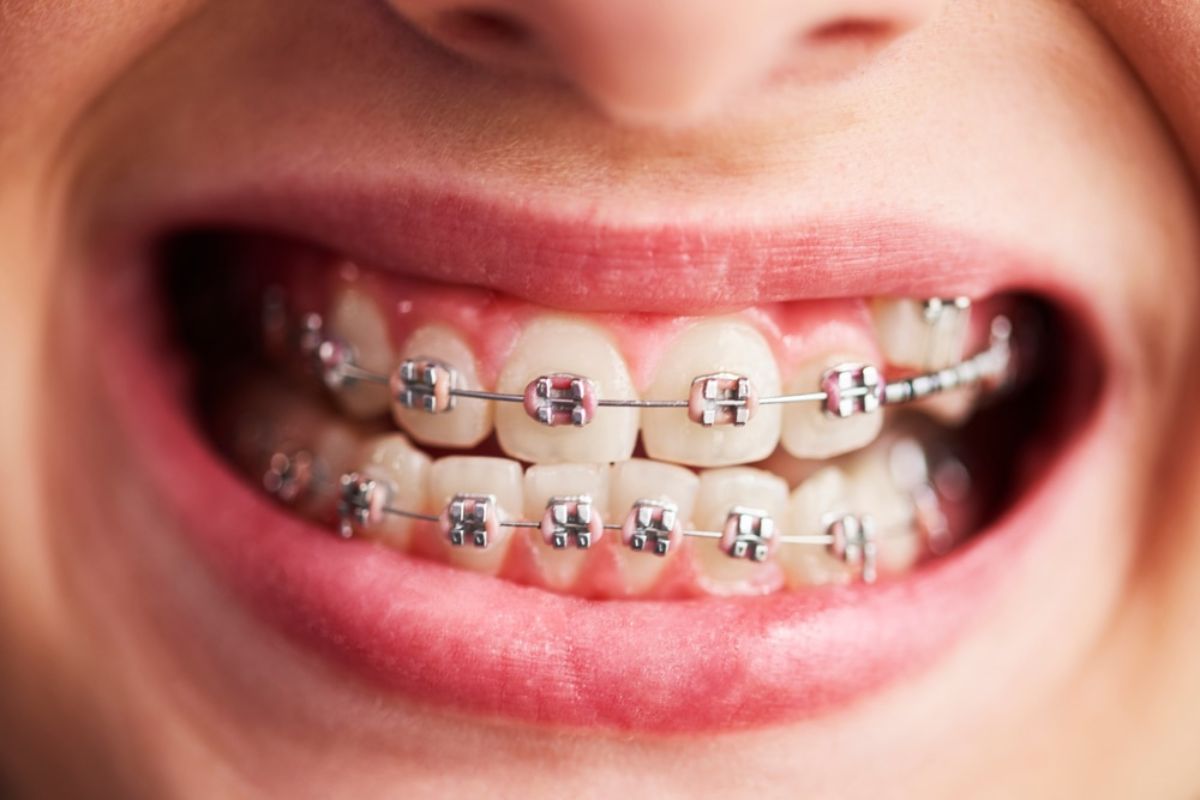
If you or someone you know is currently sporting these orthodontic wonders, then this article is for you. We understand that wearing braces can be a big commitment and sometimes a little overwhelming, but fear not! We’re here to guide you through the step-by-step process of maintaining your oral health while rocking those dazzling metal smiles. So let’s dive in and discover how to keep your braces shining bright throughout your journey towards a perfect set of pearly whites!
Why do people wear braces?
Why do people wear braces? Well, there are several reasons why individuals choose to embrace the metal-mouth look. The most common motive is to correct misaligned teeth or a crowded jaw. By applying gentle pressure over time, braces gradually shift teeth into their ideal positions, resulting in a straighter smile and improved bite.
Another reason for wearing braces is to address issues such as overbites or underbites. These dental concerns can cause discomfort and affect proper chewing and speaking abilities. Braces assist in realigning the upper and lower jaws to achieve better balance and functionality.
Some people opt for braces purely for cosmetic reasons. A perfectly aligned set of teeth not only enhances one’s appearance but also boosts confidence levels. With society placing increased importance on aesthetics, it’s no wonder that many individuals seek out orthodontic treatment to achieve that coveted Hollywood smile.
Regardless of the reason behind wearing braces, it’s important to remember that patience is key throughout the process. Braces require time and commitment but can lead to long-lasting benefits that extend far beyond just a beautiful smile. So whether you’re correcting alignment issues or simply looking for an aesthetic boost, embracing the journey with braces is definitely worth it!
How long do you have to wear braces?
How long do you have to wear braces? This is a common question for many people considering orthodontic treatment. The duration of wearing braces varies depending on several factors, including the severity of the dental issue and how well you follow your orthodontist’s instructions.
In general, most people wear braces for an average of 1 to 3 years. However, this can vary from person to person. Some may only need braces for a few months if their misalignment or bite issue is minor, while others with more complex problems may require longer treatment.
During your initial consultation, your orthodontist will evaluate your teeth and provide an estimate of how long you’ll need to wear braces. They will take into account things like overcrowding, crookedness, and any jaw alignment issues that need correction.
Throughout the course of treatment, it’s important to attend regular check-ups with your orthodontist so they can monitor progress and make necessary adjustments. Remember that every mouth is unique and responds differently to treatment.
Patience is key when wearing braces as it takes time for teeth to shift into their proper positions. It’s essential to follow all instructions given by your orthodontist regarding brushing techniques, avoiding certain foods that could damage or get stuck in the brackets or wires.
By being diligent in caring for your braces and following all recommendations from your orthodontist, you can help ensure successful treatment within the estimated timeframe. So remember – though it may feel like forever at times – wearing braces is just a temporary step towards achieving a beautiful smile!
How often should you brush your teeth with braces?
Taking care of your teeth is important, especially when you have braces. Brushing your teeth regularly is essential for maintaining good oral hygiene and preventing dental problems. But how often should you brush your teeth with braces?
When you have braces, it’s recommended to brush your teeth after every meal or snack. This helps remove any food particles that can get stuck in between the brackets and wires. Using a soft-bristle toothbrush, gently brush each tooth individually, making sure to clean around the brackets and wires.
In addition to brushing after meals, it’s also important to brush your teeth before bed and in the morning. This ensures that you’re removing any plaque buildup overnight and starting the day with a fresh mouth.
While brushing regularly is crucial, it’s equally important to do so correctly. Take your time while brushing and use gentle circular motions to thoroughly clean all surfaces of your teeth. Pay extra attention to areas where food might easily get trapped.
Remember not only to brush but also floss daily with proper techniques designed for those wearing braces. Regular dental check-ups are also necessary during orthodontic treatment as they allow dentists monitor progress and address any issues promptly.
By following these guidelines on how often to brush your teeth with braces, you can maintain good oral health throughout your orthodontic journey!
What type of toothbrush should you use with braces?
Choosing the right toothbrush is crucial when you have braces. With all the wires and brackets, it’s important to find a brush that can effectively clean your teeth without causing any damage.
Opt for a toothbrush with soft bristles. Hard bristles can be too harsh on your braces and gums, leading to irritation and potential damage. Soft bristles are gentle enough to clean around your braces without causing discomfort.
Consider using a toothbrush with a small head. This will allow you to easily maneuver around the brackets and wires in your mouth. A smaller head also ensures that you can reach those hard-to-reach areas more effectively.
Furthermore, look for a toothbrush with angled bristles or one that has different rows of bristles at different heights. These features help to get into tight spaces between brackets and wires where food particles tend to get trapped.
Electric toothbrushes can be an excellent option for people with braces. They provide extra power and vibration which helps remove plaque more efficiently from both the surfaces of your teeth as well as around your braces.
Remember, choosing the right toothbrush plays an essential role in maintaining good oral hygiene while wearing braces. Consult with your orthodontist or dentist if you’re unsure about which type of brush is best suited for you.
What type of toothpaste should you use with braces?
When it comes to taking care of your dental braces, choosing the right toothpaste is essential. With braces, you need a toothpaste that can effectively clean your teeth and remove any trapped food particles or plaque around the brackets and wires.
Look for a toothpaste that is specifically designed for orthodontic patients. These types of toothpastes often contain fluoride, which helps prevent cavities and strengthens enamel. They may also have antibacterial properties to keep your mouth fresh and healthy.
It’s important to avoid whitening or abrasive toothpastes as they can scratch or damage the braces. Instead, opt for a gentle toothpaste with a mild flavor that won’t irritate your gums or cause sensitivity.
Consider using a toothpaste with added calcium phosphate if you’re concerned about maintaining strong teeth during orthodontic treatment. This mineral compound can help strengthen enamel and reduce the risk of white spots forming on your teeth after braces removal.
Remember, always consult with your orthodontist before choosing a specific toothpaste for your braces. They will be able to recommend one that best suits your individual needs.
Taking care of dental braces requires diligence in all aspects of oral hygiene, including choosing the right type of toothpaste. By selecting an appropriate formula and incorporating regular brushing into your routine, you’ll be well on your way to achieving a healthy smile throughout your orthodontic journey!
Are there any foods to avoid with braces?
Are there any foods to avoid with braces? Absolutely! When you have braces, it’s important to steer clear of certain foods that can damage them or get stuck in the brackets and wires. Here are some examples:
Hard and crunchy foods like nuts, popcorn, and hard candies should be avoided as they can break the wires or dislodge brackets. Sticky and chewy treats like caramel, taffy, and gum can easily stick to your braces and make it difficult to clean properly.
Foods that require excessive biting or tearing with your front teeth should also be avoided. This includes things like whole apples, corn on the cob, and thick crusty bread.
It’s a good idea to cut up raw fruits and vegetables into small pieces before eating them so that you don’t risk damaging your braces while biting into them.
Beware of sugary drinks such as soda or sports drinks which can increase the risk of tooth decay. Opt for water instead!
By being mindful of these food choices during your time wearing braces, you’ll help ensure a smooth orthodontic journey without any unnecessary setbacks. Happy eating (with caution)!
Remember: Always consult with your orthodontist for specific dietary advice tailored to your individual needs while wearing braces.
How often should you see the dentist with braces?
Regular dental visits are crucial when you have braces. The frequency of these visits may vary depending on your orthodontist’s recommendations, but typically you should plan to see the dentist every four to six weeks. During these appointments, your orthodontist will check the progress of your treatment and make any necessary adjustments.
Seeing the dentist regularly is important for several reasons. First, it allows your orthodontist to monitor how well your braces are working and make any necessary changes to ensure that your teeth are moving in the right direction. Second, regular dental check-ups help prevent tooth decay and gum disease, which can be more challenging to address with braces.
During each visit, your dentist will also clean around the brackets and wires thoroughly to remove plaque buildup that can lead to cavities or gum inflammation. They may provide additional instructions on oral hygiene techniques specific to braces.
By maintaining regular dental appointments while wearing braces, you can help ensure that both your oral health and orthodontic treatment stay on track!
The Bottom Line
Taking care of dental braces is essential to ensure that they do their job effectively and maintain good oral hygiene. By following the above mentioned guidelines, you can keep your braces clean and avoid any complications:
Remember, wearing braces is a commitment that requires patience and dedication to achieve the best results. By taking proper care of your braces, you’ll be on track to achieving a beautiful smile and maintaining excellent oral health.
So, embrace the journey with confidence knowing that you are doing everything necessary to take care of your dental braces!