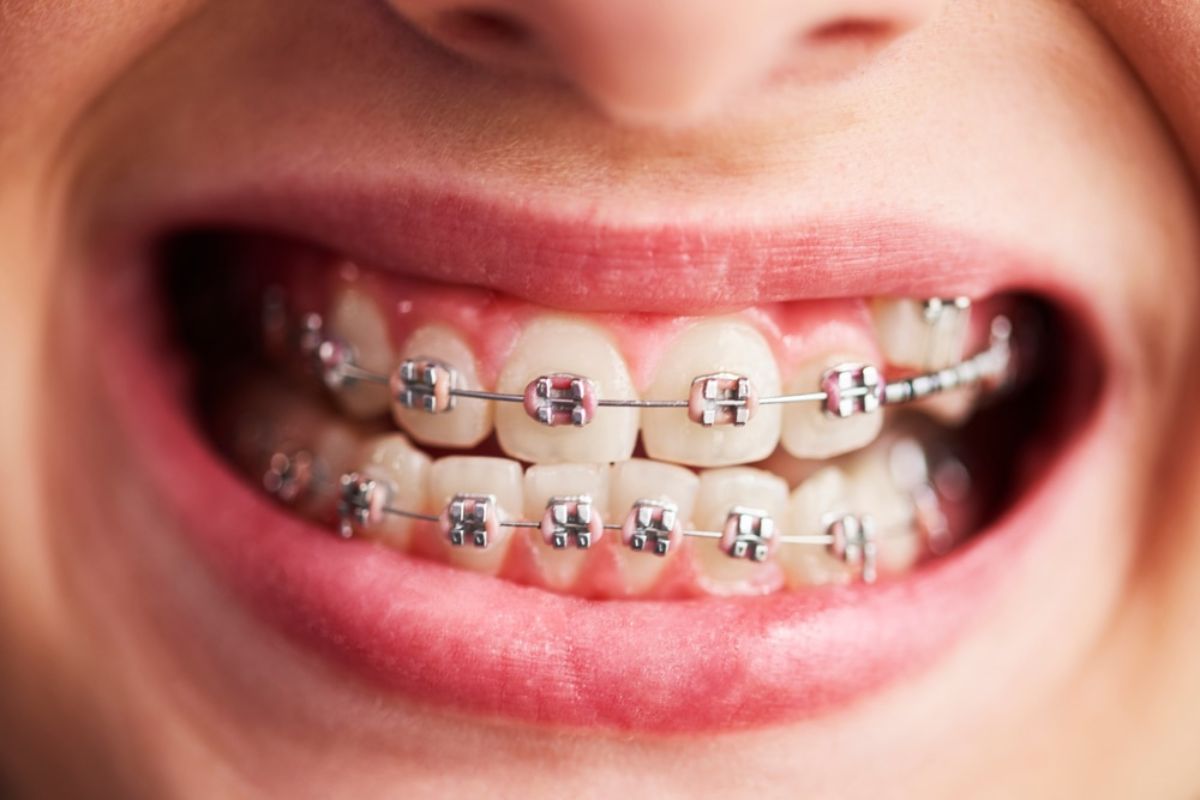
If you or a loved one have recently embarked on the journey of orthodontic treatment, you may be experiencing some common discomforts and pains associated with wearing braces. But fear not, because we are here to provide you with practical tips and expert advice on how to alleviate these concerns and make your orthodontic experience as comfortable as possible. So sit back, relax, and let us guide you through this informative read that will leave you smiling confidently throughout your braces journey!
Common Discomforts and Pains Associated with Braces
Braces can be life-changing in terms of achieving a straight, healthy smile. However, it’s important to acknowledge that they can also come with some discomfort. This is completely normal and temporary, so don’t worry!
One common discomfort that people experience when they first get braces is soreness or tenderness in the mouth. It may feel uncomfortable to chew or even speak at times. The good news is that this usually subsides within a few days as your mouth adjusts to the new hardware.
Another issue you might encounter is irritation caused by the brackets rubbing against the inner cheeks or lips. This can lead to small sores or ulcers forming inside your mouth. Using orthodontic wax provided by your orthodontist can help alleviate this problem by creating a barrier between the brackets and sensitive areas.
You may also experience sensitivity in your teeth after adjustments are made during regular appointments with your orthodontist. This sensitivity typically lasts for a couple of days before fading away on its own.
It’s worth mentioning that certain hard or sticky foods can cause additional discomfort while wearing braces. Avoiding these types of food will help prevent any unnecessary pain.
Remember, everyone’s experience with braces is unique, so what one person finds uncomfortable might not affect another at all! If you’re concerned about any pain or discomfort you’re experiencing, always reach out to your orthodontist for guidance and reassurance.
While braces do come with their fair share of temporary discomforts and pains, knowing how to manage them effectively will make your journey towards a beautiful smile much more bearable. Stay positive and remember that it’s all part of the process!
Diet Adjustments for Comfortable Eating
When you first get your braces, it’s common to experience some discomfort and pain. This can make eating a bit challenging, but don’t worry! There are certain diet adjustments you can make to ensure more comfortable eating during this time.
One of the main things to consider is the texture of the food you consume. Opt for softer options that require less chewing, such as mashed potatoes, yogurt, smoothies, and scrambled eggs. These foods will be easier on your teeth and won’t cause as much irritation or discomfort.
Another helpful tip is to cut your food into smaller pieces. By doing so, you’ll reduce the amount of pressure exerted on your braces while biting into larger items like apples or sandwiches. Plus, it will be easier for you to navigate around any sore spots in your mouth.
It’s also important to avoid sticky and hard foods that can get stuck in your braces or potentially damage them. Foods like gum, caramel candies, popcorn kernels should be off-limits until after your orthodontic treatment is complete.
Maintaining good oral hygiene is crucial when wearing braces. Be sure to brush and floss regularly after each meal to prevent any buildup of food particles that could lead to further discomfort or dental issues.
By making these simple diet adjustments during your orthodontic journey with braces in Ponca City , you’ll ensure a more pleasant eating experience while still nourishing yourself properly!
Orthodontist’s Recommendations for Dealing with Discomfort
When it comes to dealing with discomfort caused by braces, your orthodontist is your best ally. They have the expertise and knowledge to help you navigate through any pain or discomfort that may arise during your orthodontic journey.
First and foremost, communication is key. If you experience any level of discomfort, don’t hesitate to reach out to your orthodontist. They can provide guidance tailored specifically to your unique situation. Whether it’s a simple adjustment or a change in treatment plan, they are there to ensure your comfort throughout the process.
Additionally, following their recommendations diligently will go a long way in managing any potential pain. This may include practicing good oral hygiene by brushing and flossing regularly, using special tools like interdental brushes or wax for sore spots, and religiously wearing elastics or headgear as prescribed.
Your orthodontist may also suggest over-the-counter pain relievers such as ibuprofen if needed. However, always consult with them before taking any medication.
In some cases, applying ice packs or warm compresses can help alleviate discomfort around the mouth area. Your orthodontist can guide you on when and how to use these methods effectively.
Lastly but importantly – patience! Remember that braces are temporary but the results are permanent. It’s normal to experience some level of discomfort along the way as teeth shift into their new positions. Stay positive and focus on the end goal – a beautiful smile!
Remember: everyone’s journey is different so what works for one person might not work for another. Trust in your orthodontist’s expertise and stay proactive in communicating any concerns or questions you may have. With their guidance and support, you’ll be able to manage braces discomfort like a pro!
The Importance of Communication with Your Orthodontist
Communication with your orthodontist is key when it comes to dealing with braces discomfort and pain. Your orthodontist is there to help you throughout the entire process, so it’s important to keep them informed about any issues or concerns you may have.
One of the main reasons why communication is important is because everyone experiences braces differently. What works for one person may not work for another, so it’s crucial to let your orthodontist know how you’re feeling and what specific areas are causing discomfort or pain.
Additionally, your orthodontist can provide valuable advice and recommendations on how to alleviate discomfort. They may suggest using over-the-counter pain relievers, applying wax to brackets that are irritating your gums, or making adjustments to the wires if they’re poking into sensitive areas of your mouth.
Regular check-ups with your orthodontist also allow them to monitor your progress and make necessary adjustments along the way. By keeping open lines of communication, you can ensure that any issues are addressed promptly, minimizing discomfort and maximizing results.
Remember, don’t hesitate to reach out to your orthodontist whenever you have questions or concerns. They are there to support you throughout this journey towards a straighter smile!
The Bottom Line
Dealing with braces discomfort and pain in Ponca City is a common challenge, but it doesn’t have to be overwhelming. By understanding the purpose of braces and being aware of the potential discomforts they may cause, you can better prepare yourself for the journey ahead.
Remember that everyone’s experience with braces is unique, so what works for one person may not work for another. It’s important to stay in close communication with your orthodontist throughout the process. They are there to support you and provide guidance on managing any discomfort or pain you may experience.
Making diet adjustments can also help alleviate some of the discomfort associated with braces. Avoiding hard, sticky, or chewy foods can reduce irritation and soreness. Instead, opt for softer options that are easier on your teeth and gums.
Additionally, following your orthodontist’s recommendations can greatly contribute to a more comfortable brace-wearing experience. Proper oral hygiene practices such as regular brushing and flossing will help prevent any additional issues from arising during treatment.
While it’s normal to feel some level of discomfort when wearing braces, don’t hesitate to reach out to your orthodontist if you’re experiencing persistent or severe pain. They have various techniques and strategies at their disposal to address these concerns effectively.