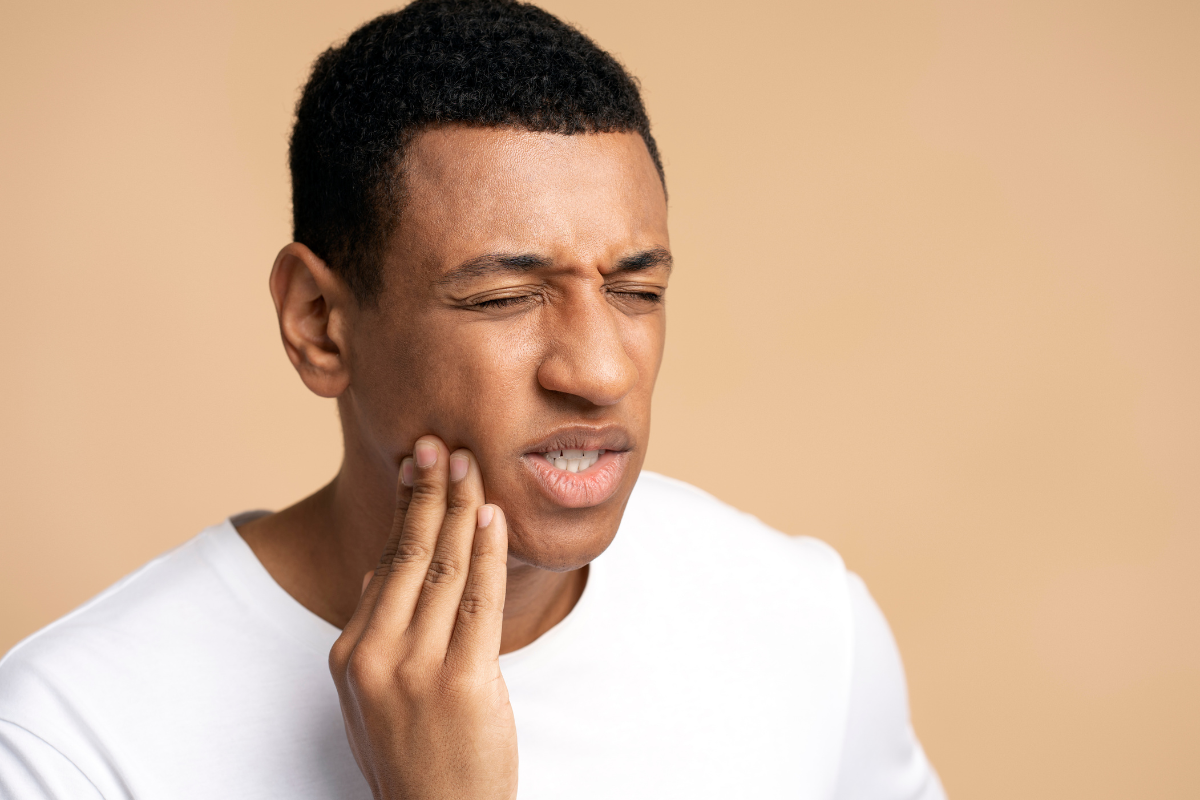
Jaw pain has a way of showing up at the worst times. Maybe it starts as a clicking sound when you chew, or a dull ache that creeps up your jaw by the end of a long day. A lot of patients wonder if this will just fade on its own, or if they need to book a visit right away. The honest answer is that it depends on what is causing it. Some mild cases of jaw discomfort do settle down without any formal care, while others point to something that needs a closer look. Patients across our area who search for tmj treatment in Ponca often start with this same question, and we think it deserves a clear, honest answer.
This guide breaks down what TMJ actually is, which symptoms tend to fade on their own, which ones call for a professional opinion, and what your options look like if you need more than time and patience.
What Is TMJ, and Why Does It Act Up?
TMJ stands for temporomandibular joint. It is the small joint on each side of your head, right in front of your ears, that connects your lower jaw to your skull. This joint lets you talk, chew, and yawn without thinking twice about it.
When people say they “have TMJ,” they usually mean a TMJ disorder, sometimes written as TMD. This happens when the joint, the muscles around it, or the disc inside it get irritated or out of alignment. Common triggers include clenching your teeth at night, chewing gum too often, stress, a jaw injury, or poor posture that puts strain on your neck and jaw muscles.
Can Mild TMJ Symptoms Go Away on Their Own?
Yes, in some cases they can. Mild soreness after a stressful week, a little clicking that does not hurt, or jaw tightness that shows up once in a while often clears up with rest and a few small habit changes. The joint and muscles around it can calm down once the trigger, like stress or teeth grinding, gets addressed.
That said, “mild and occasional” is the key phrase. If your symptoms are getting worse, showing up daily, or making it hard to eat and talk, waiting it out is not the best plan. A short flare up is different from a pattern that keeps repeating.
Symptoms Likely to Fade vs. Symptoms That Need a Professional Look
This chart can help you figure out which category your symptoms fall into.
| Symptom Pattern | Likely to Settle on Its Own | Worth a Professional Evaluation |
| Occasional jaw clicking with no pain | Yes | Only if it starts to hurt |
| Mild soreness after a stressful day | Often, with rest | If it happens most days |
| Jaw locking, even briefly | Rarely | Yes, right away |
| Pain that spreads to the ear or neck | Sometimes | Yes, if it lasts more than a week |
| Trouble opening your mouth fully | Rarely | Yes |
| Headaches tied to jaw tension | Sometimes | If they are frequent or severe |
If you are stuck between the two columns, a quick visit for TMJ treatment in Ponca can give you a clear answer instead of leaving you to guess.
Simple Steps While You Watch and Wait
If your symptoms are mild, a few habits can help calm things down before you decide whether to schedule a visit.
- Stick to softer foods for a few days and skip gum, ice, and hard candy.
- Apply a warm compress to the jaw muscles for ten to fifteen minutes at a time.
- Notice if you clench or grind your teeth during the day, and try to relax your jaw when you catch yourself doing it.
- Practice good posture, especially if you sit at a desk for long hours, since a forward head position adds strain to the jaw and neck.
- Give it one to two weeks. If nothing improves, that is a sign to get it checked.
Many patients see real improvement with these steps alone. Others notice the same pain keeps returning, and for those patients, tmj treatment in Ponca usually brings faster relief than another week of guessing at home.
When It Is Time to See an Orthodontist
A few warning signs mean you should not wait it out.
- Your jaw locks open or shut, even for a few seconds
- Pain is constant instead of coming and going
- You hear a loud pop with pain, not just a soft click
- Over the counter pain relief is not helping anymore
- You notice your bite feels different, like your teeth do not line up the way they used to
These signs point to something more than a passing flare up, and getting it looked at early by an orthodontist in Ponca City usually means simpler, faster treatment.
Know Your Orthodontist
Dr. Scott Schuessler leads care at Schuessler Orthodontics. He studied Chemical Engineering at Oklahoma State University and spent three years working in the chemical industry before deciding to pursue dentistry. He earned his dental degree from the University of Oklahoma College of Dentistry and worked as a general dentist in Edmond for six years, with a focus on cosmetic dentistry. He then completed three years of orthodontic training at Vanderbilt University before opening his own practice in Stillwater in 2005.
Since then, Dr. Schuessler and his team have treated patients across Stillwater, Enid, and Ponca City for jaw pain, bite problems, and orthodontic needs of all kinds. Families who search for an orthodontist in Ponca City often mention how much they appreciate a straightforward explanation of what is going on and what their options are, and that approach shapes every visit at our office.
What Happens During a TMJ Evaluation
If you decide to come in, the visit is simple and not something to dread. Your orthodontist will ask about your symptoms, check how your jaw moves, and look at your bite and joint alignment. From there, treatment options can include a custom night guard, exercises to relax the jaw muscles, changes to habits like clenching, or in rare cases a referral for further care. Most patients start with the simplest option first and only move to more involved treatment if needed.
Frequently Asked Questions
1. Is jaw clicking always a sign of a problem?
Not always. Painless clicking is common and often does not need treatment unless it starts to hurt or gets worse.
2. How long should I wait before seeing someone about jaw pain?
If mild symptoms do not improve after one to two weeks of home care, it is a good time to schedule a visit.
3. Can stress really cause jaw pain?
Yes, stress often leads to clenching or grinding, especially during sleep, which puts extra strain on the jaw joint.
4. Will I need surgery for a TMJ disorder?
Surgery is rare and only considered after simpler treatments have been tried without success.
5. Does a night guard actually help?
Yes, a properly fitted night guard can reduce the pressure from clenching and grinding, which often eases symptoms.
6. Can children or teens develop TMJ issues?
Yes, though it is less common than in adults. Jaw injuries or teeth grinding can trigger symptoms at any age.
7. Is TMJ pain connected to headaches?
Often, yes. Jaw muscle tension can radiate up toward the temples and cause headaches that seem unrelated at first.
8. What if my symptoms come and go instead of staying constant?
That pattern is common and still worth mentioning at a checkup, since it can point to a specific trigger worth addressing.
Ready to Get Answers?
Jaw pain that lingers or keeps coming back deserves more than guesswork. If home care has not helped, or if your symptoms feel like more than a passing flare up, a short visit can save you weeks of uncertainty. Our team has helped patients find relief through tmj treatment in Ponca, Enid, and Stillwater for years, and we are glad to walk you through what a treatment plan would look like for your specific symptoms.
Looking for a trusted orthodontist in Ponca City to check out your jaw pain?
Request an appointment today and get a clear answer instead of more waiting. You can also learn more about our TMJ treatment options or visit our dental office.