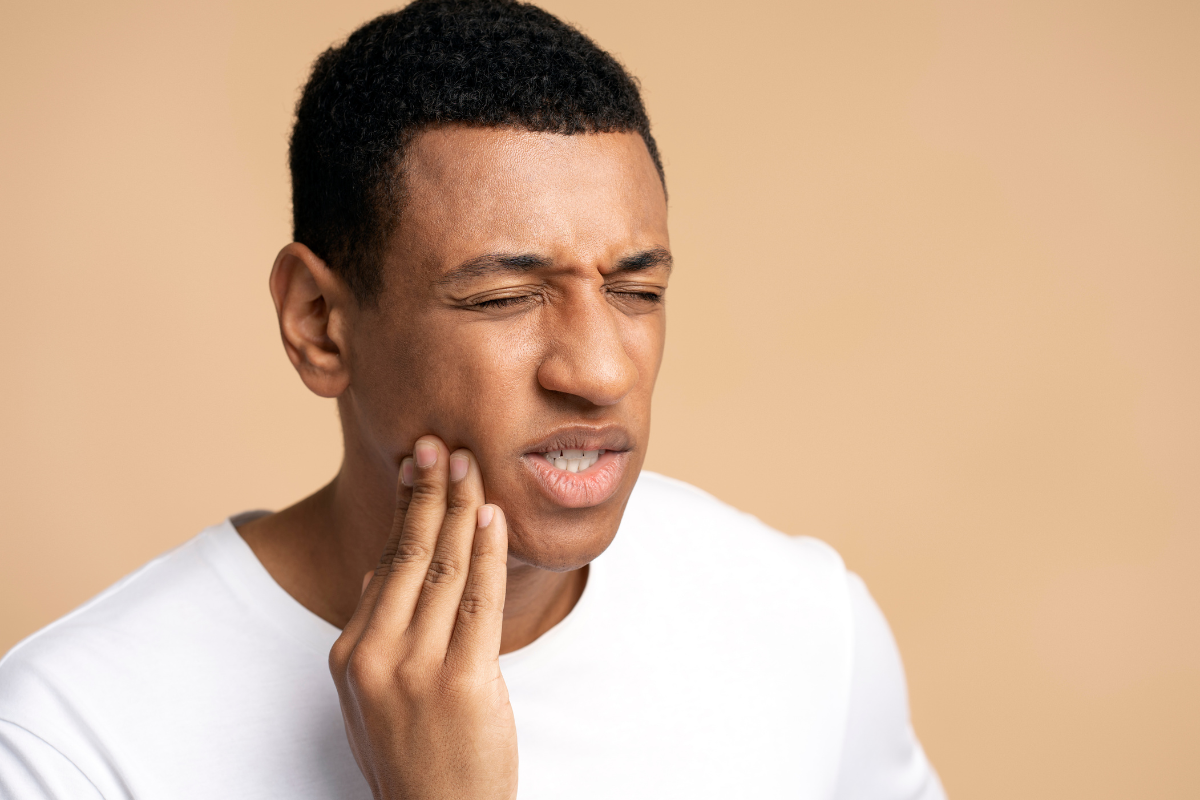
Jaw pain is often the symptom that gets your attention. But TMJ disorders can affect much more than your jaw.
You may notice headaches during the day, trouble chewing your favorite foods, tight muscles around your face and neck, or a jaw that clicks when you open your mouth. Some people even change how they eat or speak because their jaw feels stiff or sore.
That is why TMJ treatment should not be viewed only as a way to reduce pain. The right care can focus on helping your jaw work more comfortably during the everyday tasks you often take for granted.
What Is a TMJ Disorder?
The temporomandibular joints connect your lower jaw to your skull. You have one joint on each side of your face, just in front of your ears.
These joints help you chew, speak, yawn, and open and close your mouth.
The term TMD, or temporomandibular disorder, describes a group of conditions that affect the jaw joints, chewing muscles, or nearby tissues. The National Institute of Dental and Craniofacial Research reports that TMDs can cause jaw pain, stiffness, limited movement, headaches, and changes in how the upper and lower teeth fit together.
The important point is simple: jaw pain is only one possible sign.
Signs Your Jaw Problem May Affect More Than Your Jaw
TMD symptoms can show up in ways that are easy to overlook.
You may experience:
- Headaches
- Facial soreness
- Neck or muscle tightness
- Trouble opening your mouth
- Pain while chewing
- Jaw stiffness
- Painful clicking or popping
- Jaw locking
- Ringing in the ears
- Changes in your bite
- Tooth wear from clenching or grinding
Not every clicking jaw needs treatment. The NIDCR notes that painless clicking and popping are common and often do not require care. Pain, limited movement, or locking are more important warning signs.
How Can Treatment Improve Daily Life?
Imagine waking up without feeling that tight ache near your jaw.
Think about eating a sandwich without choosing the softer side of your mouth. Or getting through a workday without constantly noticing tension around your face.
These small changes can matter.
1. Eating May Become More Comfortable
Jaw pain can make chewing feel like work.
Some patients avoid steak, crunchy foods, gum, or other foods that require more chewing. Over time, eating can become less enjoyable.
A treatment plan aimed at the cause of your symptoms may help improve jaw movement and comfort.
The goal is not simply to make the pain number smaller. It is to help you use your jaw with less trouble.
2. Head and Face Discomfort May Improve
TMD can be linked with headaches and pain in the face or neck.
When jaw muscles stay tense, that discomfort can become part of your daily routine.
A careful evaluation can help determine whether your symptoms may be related to a jaw disorder or another condition. That distinction matters because facial or head pain does not always come from the TMJ.
3. You May Find It Easier to Open Your Mouth
A stiff jaw can make simple actions harder.
Yawning may hurt. Taking a large bite may feel uncomfortable. A dental appointment can even become stressful if you cannot open your mouth well.
TMD treatment may focus on improving jaw movement and function. Depending on the cause, care can include simple self-care, exercises, physical therapy, medication, or other approaches.
4. You May Become More Aware of Clenching
Stress can lead some people to tighten their jaw without realizing it.
You might catch yourself clenching while driving, working, studying, or sleeping.
Reducing habits such as jaw clenching and gum chewing is among the simple steps the NIDCR recommends for some people with TMD symptoms.
Understanding your habits can be an important part of managing discomfort.
5. Sleep and Daily Comfort May Feel Less Disrupted
Jaw discomfort can make it harder to settle into a comfortable position at night.
Some people also grind or clench their teeth while sleeping. That does not mean every person who grinds has TMD, but it is worth discussing if you wake with jaw soreness, facial tension, or worn teeth.
A proper evaluation can help separate jaw-related symptoms from other causes of poor sleep or morning discomfort.
What Does Treatment Usually Involve?
There is no single treatment that works for every TMD problem.
The cause matters.
Your provider may begin with simple measures such as:
- Softer foods for a short period
- Heat or cold
- Gentle jaw exercises
- Reducing clenching
- Limiting gum chewing
- Pain relief when appropriate
- Stress management
Physical therapy may also help some patients improve movement and reduce pain.
More involved treatments may be considered when simpler care does not help and when the diagnosis supports them.
This is where a clear evaluation matters. TMD includes many different conditions, so treatment should not be based on symptoms alone.
A Better Way to Think About TMJ Care
It helps to look beyond one question:
“How do I stop my jaw from hurting?”
Ask a few more:
Can I chew comfortably?
Can I open my mouth normally?
Does my jaw feel stiff in the morning?
Do headaches or facial tension keep returning?
Has my bite changed?
These questions give a better picture of how the problem affects your life.
Symptoms vs Daily Impact
| Symptom | Possible effect on daily life |
| Jaw pain | Makes eating and speaking uncomfortable |
| Jaw stiffness | Makes opening the mouth harder |
| Headaches | Can interfere with work or school |
| Muscle tightness | May create ongoing facial or neck discomfort |
| Pain while chewing | Can change food choices |
| Jaw locking | Can make normal movement difficult |
| Tooth wear | May point to long-term clenching or grinding |
This does not mean every symptom is caused by TMD. A proper exam is needed to find the cause.
Why a Careful Diagnosis Matters
TMD can be hard to diagnose because there is no single standard test that identifies every form of the disorder. A provider may review your symptoms, examine your jaw and muscles, check how your teeth fit together, and decide whether imaging is needed.
That is why treatment should not start with the most complex option.
The NIDCR recommends starting with simple treatments when appropriate and being cautious about procedures that permanently change the teeth, bite, or jaw joint.
For patients considering TMJ treatment in ponca city, that patient-first approach can help keep the focus on finding the right cause and the least invasive reasonable solution.
Know Our Doctor
Dr. Scott Schuessler
Dr. Scott Schuessler brings a broad dental background to his orthodontic practice.
He earned a Chemical Engineering degree from Oklahoma State University. After working with Dow Chemical and Conoco, he went on to graduate from the University of Oklahoma College of Dentistry. He then practiced general dentistry in Edmond for six years, with a focus on cosmetic dentistry, before completing a three-year orthodontic residency at Vanderbilt University. He began his orthodontic practice in Stillwater in 2005.
Schuessler Orthodontics also states that Dr. Schuessler treats TMJ patients and received TMJ training from a specialist during his time at Vanderbilt.
For patients searching for an orthodontist in ponca city, this background can be relevant when discussing jaw symptoms alongside tooth alignment and bite concerns.
What Our Patients Say
Patient feedback can offer a glimpse into the care experience, especially when someone has questions or concerns that need time and clear answers.
“Dr. Schuessler and his staff were very helpful, kind, friendly and yet very professional. He spent quite a bit of time with us and gave my husband and I a lot of information on how to treat his condition.”
★★★★★, (Geraldine Whitehead)
This review describes a patient experience centered on time, explanation, and discussion of a condition rather than rushing through the visit. The review appears in public patient feedback for Schuessler Orthodontics.
Local Care for Patients in Ponca City
Schuessler Orthodontics has a Ponca City office at 2412 N 14th St, Ponca City, OK 74601. The practice also serves patients through offices in Stillwater and Enid.
For someone considering TMJ treatment in ponca city, having a local office can make it easier to seek an evaluation when jaw symptoms begin affecting eating, speaking, sleep, or daily comfort.
An orthodontist can assess your symptoms and help determine whether they may be related to a TMD or whether another type of care is more appropriate.
Frequently Asked Questions
1. Can TMD affect more than the jaw?
Yes. Symptoms can include facial pain, neck discomfort, headaches, stiffness, and changes in jaw movement.
2. Does every clicking jaw need treatment?
No. Painless clicking and popping are common. Treatment is more often considered when symptoms include pain, locking, or limited movement.
3. Can stress affect jaw symptoms?
Stress may contribute to habits such as clenching, which can increase strain on the jaw muscles.
4. Can TMD make chewing difficult?
Yes. Pain, stiffness, or limited jaw movement can make chewing less comfortable.
5. Will treatment always involve a nightguard?
No. Treatment depends on the cause and severity of the problem. A nightguard is only one possible approach.
6. Is surgery needed for most jaw disorders?
No. The NIDCR recommends starting with simpler treatments when appropriate. Surgery is generally reserved for selected severe cases when other options have not worked.
7. Can jaw pain come from something other than TMD?
Yes. Jaw, face, and head pain can have several causes. A proper evaluation helps rule out other problems.
8. When should I have my jaw checked?
Consider an evaluation if pain, stiffness, locking, limited movement, or chewing problems keep returning or begin affecting daily activities.
The Bottom Line
TMJ care is about more than getting rid of jaw pain. When symptoms affect chewing, speaking, opening your mouth, sleep, or daily comfort, the problem can start taking up more space in your life than it should. Finding the cause is the first step toward choosing the right form of care.
If you are considering TMJ treatment, do not wait until jaw discomfort starts changing the way you eat, sleep, or go about your day. Schuessler Orthodontics serves patients in Ponca City, Stillwater, and Enid. If you are looking for an orthodontist in ponca city and have ongoing jaw symptoms, schedule an evaluation to discuss what you are experiencing and learn which treatment options may fit your needs.