If you have been searching for an orthodontist near me, you may have noticed that orthodontic care looks very different today than it did ten years ago. The waiting rooms are the same, but what happens inside the consultation room has changed a lot. Digital tools, smarter imaging, and better communication technology are making the whole process easier and more accurate for patients.
This post walks you through what modern orthodontic consultations look like now, what technology is being used, and why it matters for your care.
The Old Way vs. The New Way
Not long ago, an orthodontic consultation meant sitting through physical mold impressions using a thick, goopy material that many patients found uncomfortable. X-rays were basic, treatment planning took time, and patients often left without a clear picture of what their treatment would look like.
Today, that experience has improved. Digital impressions, 3D imaging, and computer-based treatment planning now make consultations faster, clearer, and more comfortable. Practices like Schuessler Orthodontics have adopted many of these tools to give patients a more informed start to their treatment.
Digital Scanning Has Replaced Messy Molds
One of the biggest changes in orthodontic consultations is the move from physical impressions to digital scans. An intraoral scanner is a small wand that moves around the inside of the mouth and creates a 3D digital model within minutes.
No more gagging. No mess. No waiting days for molds to set.
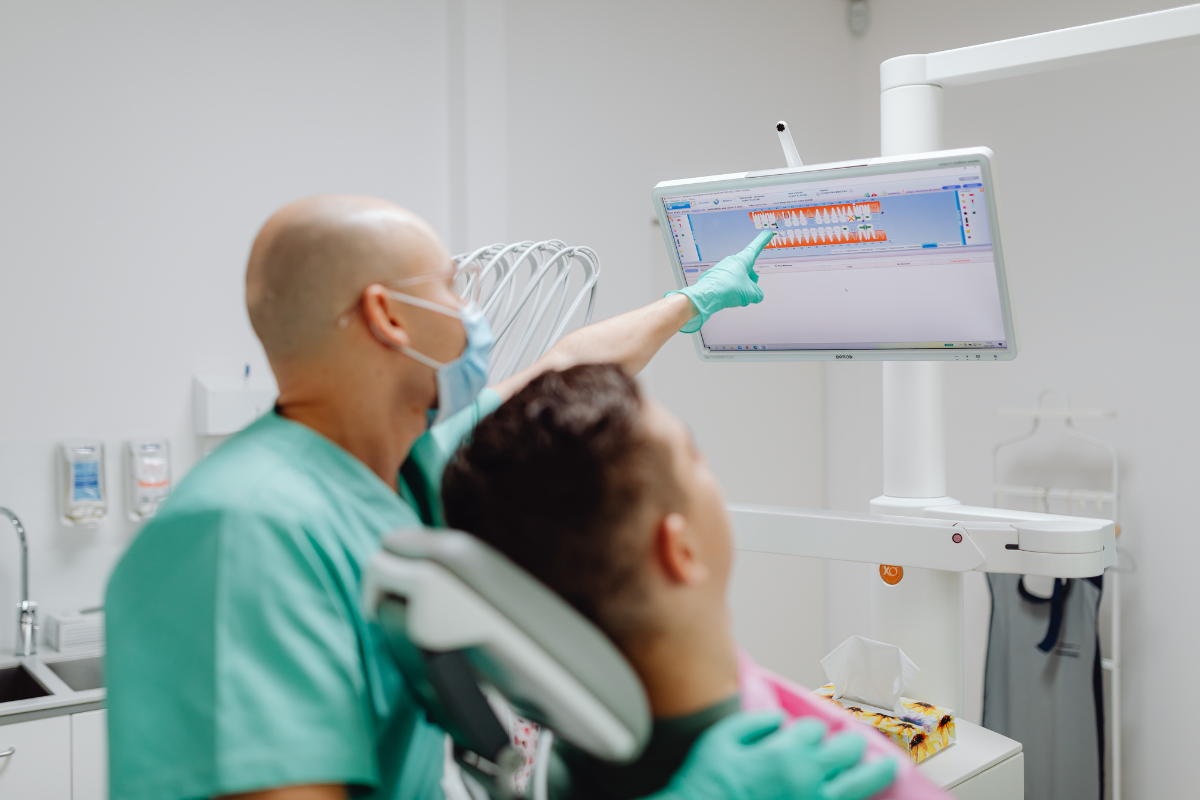
This digital model is more accurate than traditional molds and can be shared instantly with the orthodontist for treatment planning. It also allows patients to see their own teeth clearly on a screen, which helps them understand the issues being addressed.
For anyone looking for an orthodontist near me in the Oklahoma area, this kind of technology means your first consultation is already smoother than it used to be.
3D Imaging Gives a Clearer Picture
Traditional X-rays show a flat, two-dimensional view of the teeth and jaw. Cone beam computed tomography (CBCT) is a type of 3D imaging now used by many modern orthodontic offices. It gives a full view of the teeth, roots, jaw, and airway in a single scan.
This matters because some orthodontic issues are hidden. Crowding, jaw misalignment, and impacted teeth are much easier to identify with 3D imaging than with standard X-rays. It also reduces the need for multiple follow-up appointments just to gather more information.
In areas like Ponca City, Enid, and Stillwater, patients have access to orthodontic practices that use this technology. While there are several dental offices nearby that handle basic orthodontic needs, not every practice has invested in advanced imaging. That difference can affect the accuracy of your diagnosis.
Treatment Simulation: Seeing Results Before You Start
One of the most helpful tools now available is treatment simulation software. After your digital scan, an orthodontist can use software to show you a visual prediction of how your teeth will move over time.
This is not just about aesthetics. It helps the orthodontist plan the exact sequence of tooth movements and gives patients a realistic view of the treatment process. You can see the starting point and the expected outcome side by side.
For patients in Enid and surrounding areas, finding an orthodontist in Enid who uses simulation software means you are walking into treatment with real expectations, not guesses.
Teleorthodontics and Virtual Check-Ins
Another area where technology is making a real difference is in follow-up care. Some orthodontic practices now offer virtual check-in options between in-office appointments. Patients can submit photos of their teeth through a secure app, and the orthodontist can monitor progress without requiring a full office visit.
This is especially helpful for patients who live farther away, work long hours, or have kids in school. It reduces the number of trips to the office while keeping the treatment on track.
Schuessler Orthodontics serves patients across Ponca City, Enid, and Stillwater, and flexible follow-up options help make treatment more manageable for people across all three locations.
Smart Appliances and Customized Treatment Plans
Orthodontic hardware has also improved. Brackets and wires are now designed with more precision. Clear aligner systems have become more refined, with each tray custom-made based on digital data from your scan.
Some orthodontists now use AI-assisted software to help plan the exact force and movement needed at each stage of treatment. This reduces the chances of error and can shorten overall treatment time.
For someone who has been searching for an orthodontist in Enid or nearby, understanding this level of customization helps explain why two patients with similar issues might have different treatment plans. Your teeth, jaw, and bite are unique, and technology now makes it easier to treat them that way.
Why Local Access to Advanced Care Matters
Oklahoma has a good network of dental professionals. In cities like Enid, Ponca City, and Stillwater, there are general dentists, pediatric dentists, and orthodontic practices serving the community. Many of them do solid work.
At the same time, access to advanced orthodontic technology is not equal across all practices. Some clinics still rely on older tools and methods, which may work but do not offer the same level of accuracy or patient comfort that newer technology provides.
If you are someone who has been looking for an orthodontist near me and comparing options in your area, it is worth asking what technology a practice uses during consultations. Asking about digital scanning, 3D imaging, and treatment simulation is a fair and smart question. It tells you a lot about how a practice approaches your care.
Schuessler Orthodontics, with offices in Ponca City, Enid, and Stillwater, has made those investments. The goal is to give patients across all three communities access to accurate, comfortable, and clear orthodontic consultations from the start.
What to Expect at a Modern Orthodontic Consultation
Here is a simple breakdown of what a tech-forward orthodontic consultation looks like today:
- A digital scan of your teeth (no molds or impressions)
- 3D imaging if needed to check roots and jaw structure
- A review of your bite and alignment concerns
- A treatment simulation showing expected outcomes
- A clear explanation of your options with realistic timelines and cost estimates
The whole appointment is usually completed within an hour. You leave with answers, not just questions.
Conclusion
Technology has made orthodontic consultations more comfortable, more accurate, and more informative. Whether you are dealing with crowding, bite issues, or alignment concerns, the tools available today make it easier for both patients and orthodontists to understand the full picture before treatment even begins.
If you have been putting off a consultation because you were unsure what to expect, now is a good time to take that step. Schedule a consultation with Schuessler Orthodontics and see firsthand how a modern, technology-forward approach can make the process feel less overwhelming and more straightforward.
With locations in Ponca City, Enid, and Stillwater, getting quality orthodontic care closer to home is possible.
Frequently Asked Questions
1. What should I bring to my first orthodontic consultation?
Bring a valid ID, your dental insurance card if you have one, and any recent dental X-rays if your dentist has given them to you. Your orthodontist will likely take new scans, but previous records can be helpful background information.
2. How long does a first consultation usually take?
Most initial consultations take between 45 minutes and an hour. This includes the digital scan, imaging if needed, and a discussion of your treatment options.
3. Is orthodontic treatment only for kids and teenagers?
No. Adults make up a large portion of orthodontic patients. Treatment can be started at any age as long as the teeth and gums are healthy.
4. Does insurance cover orthodontic consultations?
Many dental insurance plans include some orthodontic benefits, especially for patients under 18. It is a good idea to check with your insurance provider before your appointment to understand what is covered.
5. What is the difference between braces and clear aligners?
Braces use metal brackets and wires to move teeth. Clear aligners are removable plastic trays that do the same job. The right choice depends on the type and severity of your alignment issue, your lifestyle, and your preference.
6. How do I know if I need orthodontic treatment?
Common signs include crowded or overlapping teeth, difficulty biting or chewing, spaces between teeth, or a jaw that clicks or feels uneven. A consultation is the best way to get a clear answer.
7. How often will I need to visit the office during treatment?
Most patients come in every six to ten weeks for check-ups during active treatment. Some practices offer virtual monitoring between visits for added convenience.
8. What happens if I have already had orthodontic treatment but my teeth have shifted?
This is more common than most people think. Retainer wear is the main reason teeth stay in place after treatment. If shifting has occurred, an orthodontist can evaluate the situation and suggest options, which may include a short course of retreatment.