A crooked smile does more than affect how you look in photos. It can make chewing harder, wear down your teeth unevenly, and even lead to jaw pain over time. If you or your child are weighing your options for braces enid families trust, understanding how braces actually move teeth can make the whole process feel less like a mystery and more like a plan you can get behind.
At Schuessler Orthodontics, we get this question almost every week from new patients in Stillwater, Ponca City, and Enid. So let’s break down the science in plain terms, look at your treatment options, and talk about what a straighter smile really does for your health.
The Biology Behind Tooth Movement
Your teeth are not glued into your jawbone. Each tooth sits inside a socket, held in place by a thin layer of tissue called the periodontal ligament. This ligament acts like a cushion between the tooth root and the bone around it.
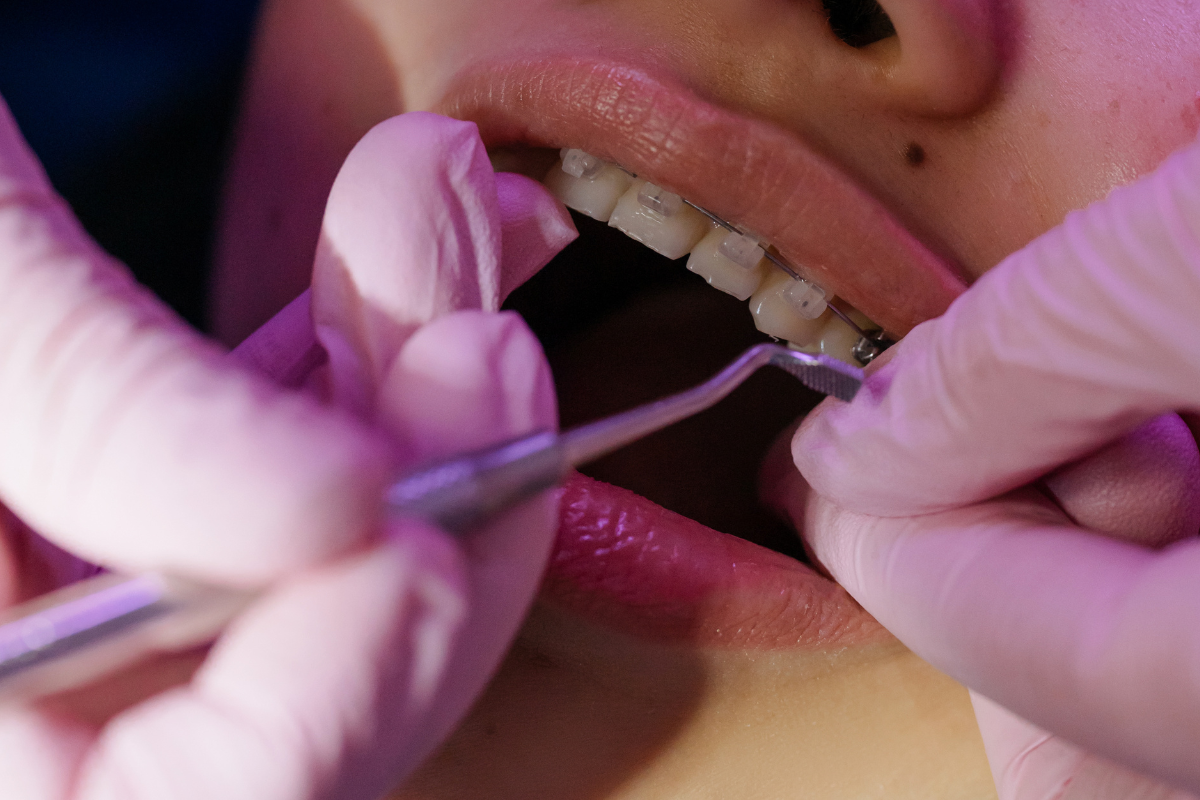
When braces apply gentle, steady pressure to a tooth, that pressure gets passed through the ligament to the bone. On the side where the pressure pushes, the bone slowly breaks down to make room. On the opposite side, where the ligament stretches, new bone starts to form and fill in the gap. This natural process is called bone remodeling.
Over weeks and months, this back and forth cycle lets the tooth glide through the bone into a new, straighter position. It sounds slow because it is slow, but that slow pace is exactly what keeps the tooth roots healthy and stable during treatment.
Types of Braces We Offer
Every mouth is different, so no single option works for everyone. Here is a quick side by side look at the choices available at our practice.
| Type of Braces | Best For | Visibility | Average Comfort Level |
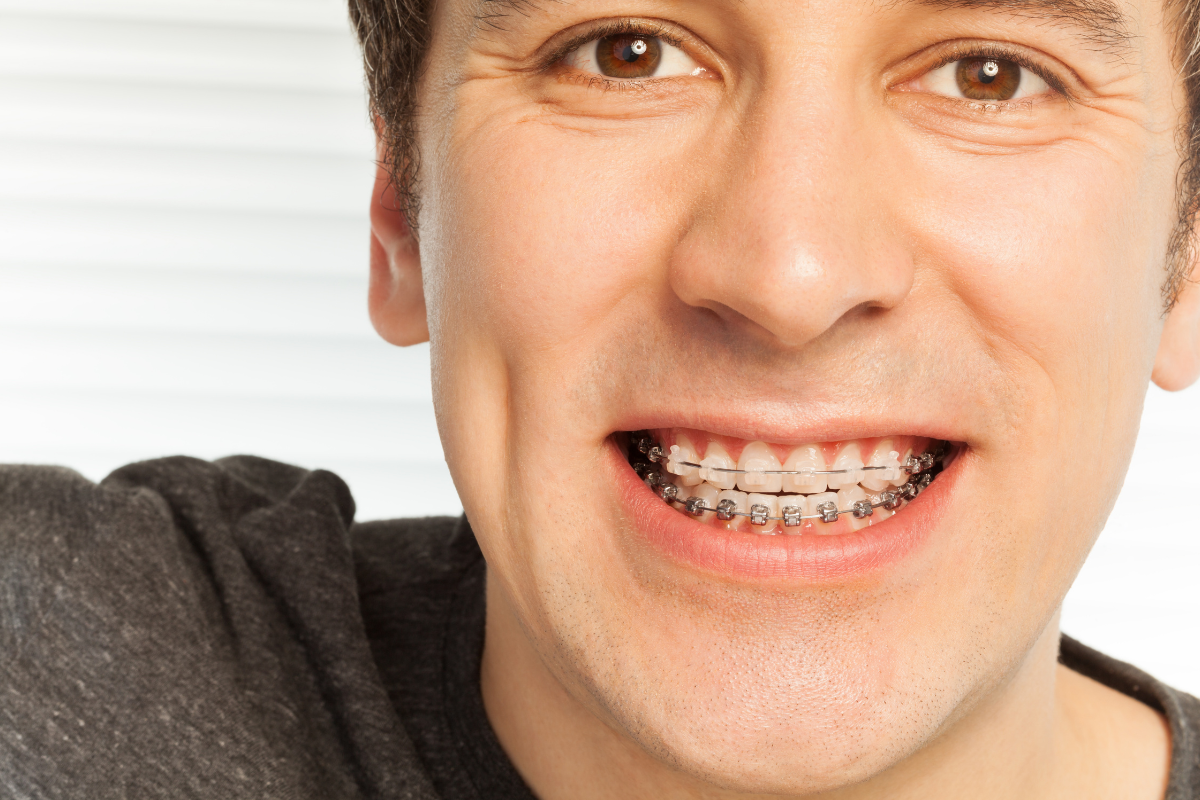
| Metal Braces | Kids, teens, complex bite issues | Most visible | Adjusts within a few days |
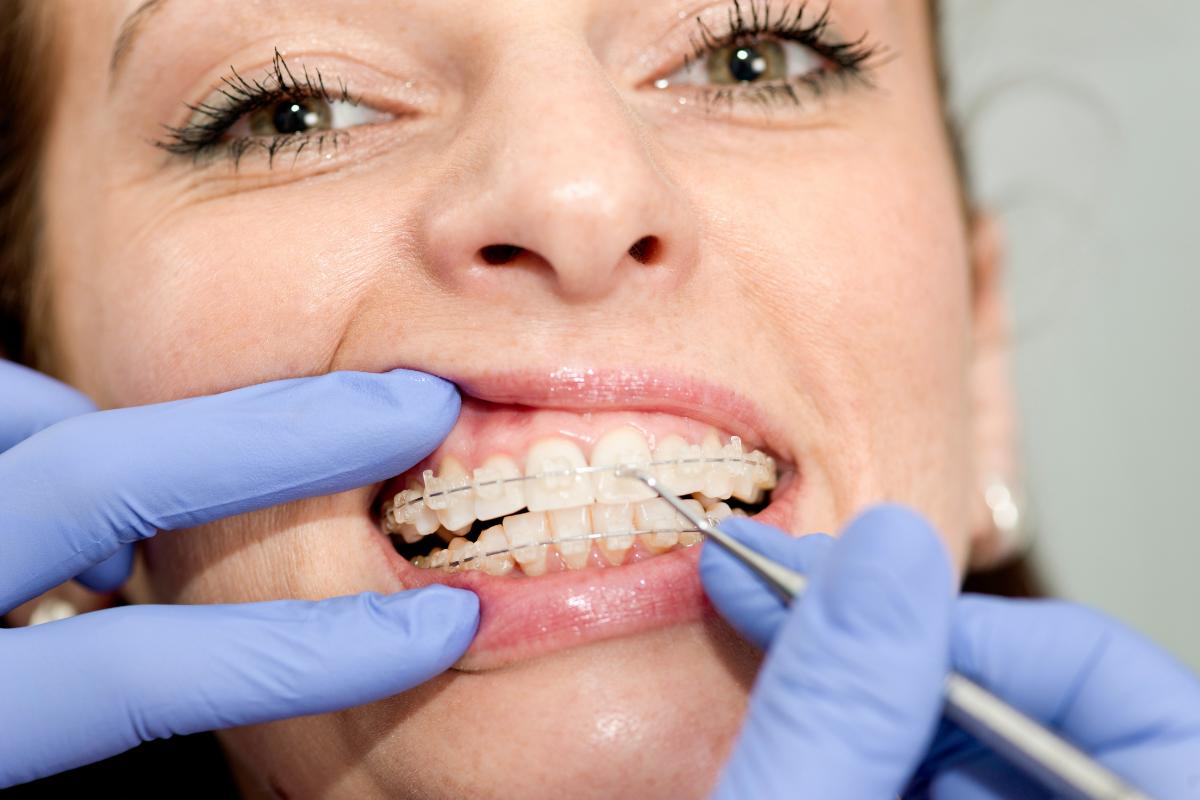
| Ceramic Braces | Teens and adults who want a subtler look | Blends with tooth color | Similar to metal, slightly more fragile |
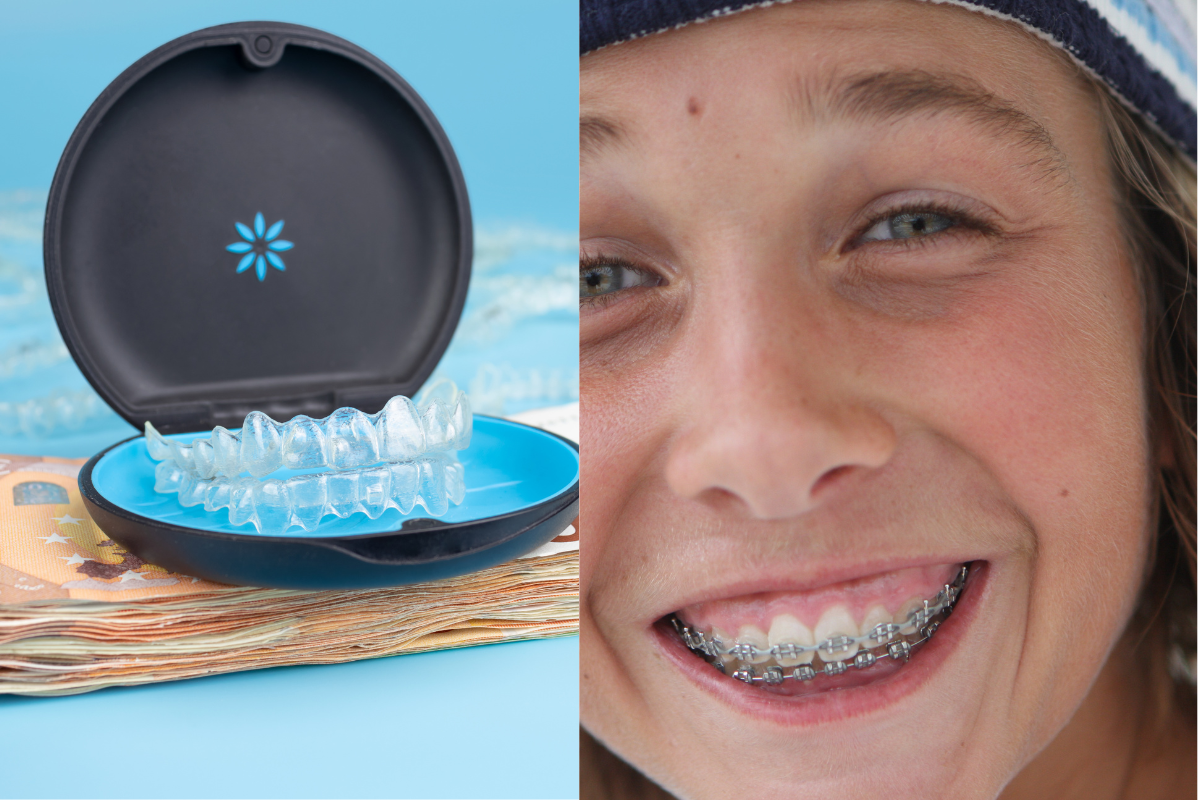
| Invisalign® Clear Aligners | Adults with mild to moderate spacing or bite problems | Nearly invisible | Removable for eating and brushing |
Metal braces remain the most common choice, and today’s brackets are smaller and more comfortable than the ones your parents may remember. Ceramic braces use a tooth colored material, which makes them popular with adult patients who want results without the metal look. Invisalign uses a series of clear, removable aligner trays that shift teeth gradually through computer guided planning, and it works well for adults who qualify based on their bite.
The Stages of Straightening Your Smile
Most orthodontic treatment follows a similar path, even though the exact length varies by case.
- Initial exam and planning. We take images and measurements to map out exactly how your teeth need to move.
- Placement. Brackets and wires, or your first set of aligners, get fitted and adjusted for a comfortable start.
- Active movement. Regular visits every four to eight weeks let us tighten wires or swap aligner trays so your teeth keep shifting on schedule.
- Refinement. Small adjustments fine tune the bite and spacing before treatment wraps up.
- Retention. A retainer holds your new smile in place while the bone fully settles around each tooth.
Patients searching for braces enid families recommend often ask how long this whole process takes. Most cases run between twelve and twenty four months, though simple corrections can finish faster and complex bite issues may take longer.
Know Our Dentist
Dr. Scott Schuessler brings an unusual mix of backgrounds to his work. He started out with a degree in Chemical Engineering from Oklahoma State University and spent three years working for Dow Chemical and Conoco before deciding to pursue dentistry instead.
He earned his dental degree from the University of Oklahoma College of Dentistry and spent six years practicing general and cosmetic dentistry in Edmond. Wanting to focus fully on straightening smiles, he then completed a three year orthodontic residency at Vanderbilt University. Dr. Schuessler opened his orthodontic practice in Stillwater in 2005 and has been helping patients across Oklahoma ever since.
Outside the office, Dr. Schuessler is married to Christa, and the two of them keep busy raising three boys, Karsten, Eric, and Tripp. The family stays active in sports, church, and travel, which mirrors the same hands on, family focused approach he brings to patient care every day.
Why Local Families Choose Schuessler Orthodontics
Finding the right orthodontist in enid shouldn’t mean driving hours away for quality care. We bring the same level of expertise to our Enid location that patients have come to expect from our Stillwater office. Every treatment plan starts with a real conversation about your goals, whether that means fixing a crowded bite in a teenager or straightening spacing issues in an adult who never had the chance to get braces before.
Choosing a local orthodontist in enid also means shorter travel times for the regular checkups that keep treatment on track. Missed or delayed appointments can slow down tooth movement, so having a nearby team matters more than people often realize.
For families weighing braces enid clinics can provide, cost and convenience often top the list of concerns. We offer flexible payment options and work directly with most insurance plans to make treatment easier to plan for.
Frequently Asked Questions
1. Does getting braces hurt?
You may feel some soreness for a few days after each adjustment, but it is usually mild and manageable with over the counter pain relief.
2. What age is best to start orthodontic treatment?
The American Association of Orthodontists suggests a first evaluation by age seven, though treatment itself often begins later, once enough adult teeth have come in.
3. Can adults get braces too?
Yes. A large share of orthodontic patients today are adults, and both metal braces and clear aligners work well for grown up smiles.
4. How often do I need to visit the office during treatment?
Most patients come in every four to eight weeks so we can check progress and make any needed adjustments.
5. Will I need to change how I eat?
With traditional braces, sticky and hard foods should be avoided to protect the brackets and wires. Clear aligners come out at mealtime, so there are no food restrictions.
6. How do I clean my teeth with braces on?
Brushing after every meal and flossing daily is important. We also recommend a water flosser or floss threader to reach around wires easily.
7. What happens after my braces come off?
You will be fitted with a retainer to wear as directed, which keeps your teeth from shifting back while the bone finishes settling into place.
8. Does insurance cover orthodontic treatment?
Many dental insurance plans offer partial coverage for braces or aligners. Our team can help you understand your specific benefits.
Ready for a Straighter, Healthier Smile?
A straighter smile is not just about appearance. Properly aligned teeth are easier to clean, distribute bite pressure more evenly, and can lower your risk of uneven wear over time. Whether you’re exploring options for yourself or your child, understanding how braces move teeth can help you feel confident about the path ahead.
If you’re ready to take the next step, schedule a consultation with Schuessler Orthodontics today. Our team proudly serves families searching for braces enid options, along with patients throughout Stillwater and Ponca City, and we would be glad to walk you through a plan built around your smile.