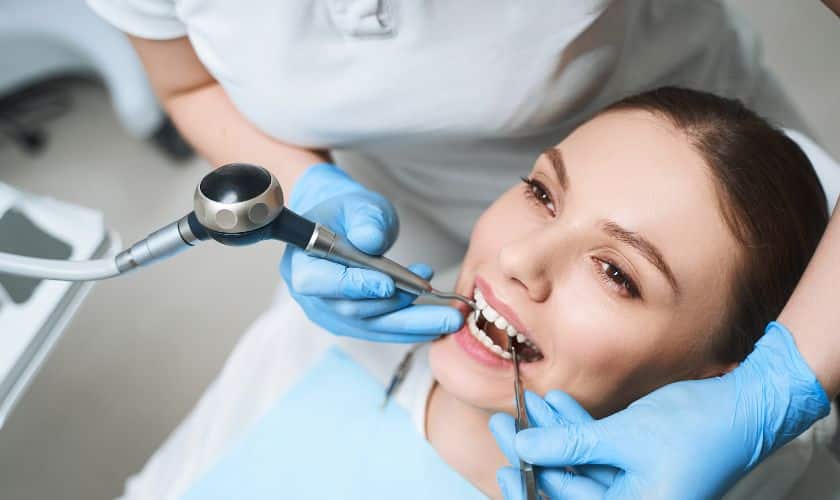
Jaw pain can be a real distraction from everyday life. Whether it’s caused by stress, an injury, or other factors, temporomandibular joint (TMJ) disorder can make eating, speaking and even smiling a challenge. Fortunately, there are many treatment options available to alleviate TMJ symptoms – and one of the most effective might surprise you: relaxation techniques!
What is TMJ?
The temporomandibular joint (TMJ) is the hinge-like structure that connects your jawbone to your skull. It’s responsible for the movements of your jaw when you speak, chew and even yawn. However, this joint can become damaged or inflamed over time due to a variety of factors.
There are many possible causes of TMJ disorder, including stress-related habits such as teeth grinding or clenching, arthritis in the joint itself, injuries to the face or jaw area and poor posture. Symptoms can range from mild discomfort to severe pain and include difficulty opening or closing your mouth fully, clicking sounds when moving your jaw and frequent headaches.
If you suspect you might have TMJ disorder based on these symptoms, it’s important to consult with a healthcare provider who specializes in this condition. They can help identify what may be causing your symptoms and recommend appropriate treatment options – which may include relaxation techniques!
The Different Types Of TMJ Treatment
There are various types of treatment available for TMJ or temporomandibular joint disorder. The type of treatment recommended will depend on the severity and underlying cause of your condition.
One common form of treatment is self-care techniques which include practicing good posture, eating a soft diet, and avoiding habits such as chewing gum or clenching your jaw. Over-the-counter pain relievers and anti-inflammatory medications can also provide relief.
For those with more severe symptoms, physical therapy may be recommended to improve jaw mobility and reduce pain. This could involve exercises to strengthen the jaw muscles or applying hot/cold compresses to the affected area.
In some cases, dental treatments such as bite plates or orthodontic work may be necessary to correct misaligned teeth that contribute to TMJ symptoms. Surgery is usually considered only in rare cases when conservative treatments have failed.
It’s important to note that each person’s experience with TMJ is unique, so finding an individualized treatment plan that works best for you should involve consultation with a healthcare professional.
Relaxation Techniques In TMJ Treatment
Relaxation techniques are a vital part of TMJ treatment, as they help to reduce stress and tension in the jaw muscles. These techniques can be used alongside other treatments such as medication, physical therapy, and lifestyle changes.
One popular relaxation technique for TMJ is deep breathing exercises. This involves taking slow, deep breaths from the diaphragm to promote calmness and relaxation throughout the body. Another effective technique is progressive muscle relaxation, which involves tensing and relaxing different muscle groups in the body one at a time.
Yoga and meditation are also great options for those looking to incorporate more comprehensive relaxation practices into their TMJ treatment plan. Both practices have been shown to reduce stress levels and improve overall well-being.
It’s important to note that everyone’s experience with TMJ is unique, so finding the right combination of treatments may take some trial-and-error. However, incorporating relaxation techniques into your daily routine can not only alleviate symptoms but also contribute to better overall health and wellness.
Practicing regular relaxation techniques can be an invaluable tool in managing the pain associated with TMJ disorder. It’s important to work closely with your healthcare provider or dental professional when developing a personalized treatment plan that works best for you.
The Benefits Of Relaxation Techniques In TMJ Treatment
Relaxation techniques can provide numerous benefits for those suffering from TMJ. One of the main advantages is reduced muscle tension, which can help alleviate pain and discomfort in the jaw area. These techniques encourage relaxation throughout the body, reducing stress and anxiety that contribute to TMJ symptoms.
Research has shown that relaxation techniques can also improve sleep quality, which is essential for optimal healing and recovery. By helping individuals relax their mind and body before bedtime, these techniques promote restful sleep and reduce disruptions caused by TMJ-related pain.
In addition to physical benefits, relaxation techniques also have psychological rewards. They can boost mood, decrease feelings of depression or anxiety associated with chronic pain conditions like TMJ syndrome.
Furthermore, incorporating relaxation exercises into daily routines promotes mindfulness and self-awareness. Practitioners become more attuned to their bodies’ needs and learn how to recognize early warning signs of stress or tension before it leads to a flare-up of TMJ symptoms.
Incorporating regular relaxation practices as part of a comprehensive treatment approach for TMJ patients provides significant relief both physically and mentally.
The Bottom Line
TMJ disorder can cause significant pain and discomfort to those who suffer from it. The good news is that there are various treatments available for such condition, including relaxation techniques.
Relaxation techniques have proven to be an effective way to manage the symptoms of TMJ disorder. They promote calmness and reduce stress levels which can lead to a decrease in jaw tension and muscle spasms associated with TMJ.
Learning how to perform relaxation techniques isn’t difficult, as they involve simple exercises that anyone can do at home or work. These include deep breathing, visualization, progressive muscle relaxation among others.
So if you’re suffering from TMJ disorder or know someone who does, don’t hesitate to try out these relaxation techniques today! With regular practice and commitment, you may find relief from your symptoms and enjoy a better quality of life.