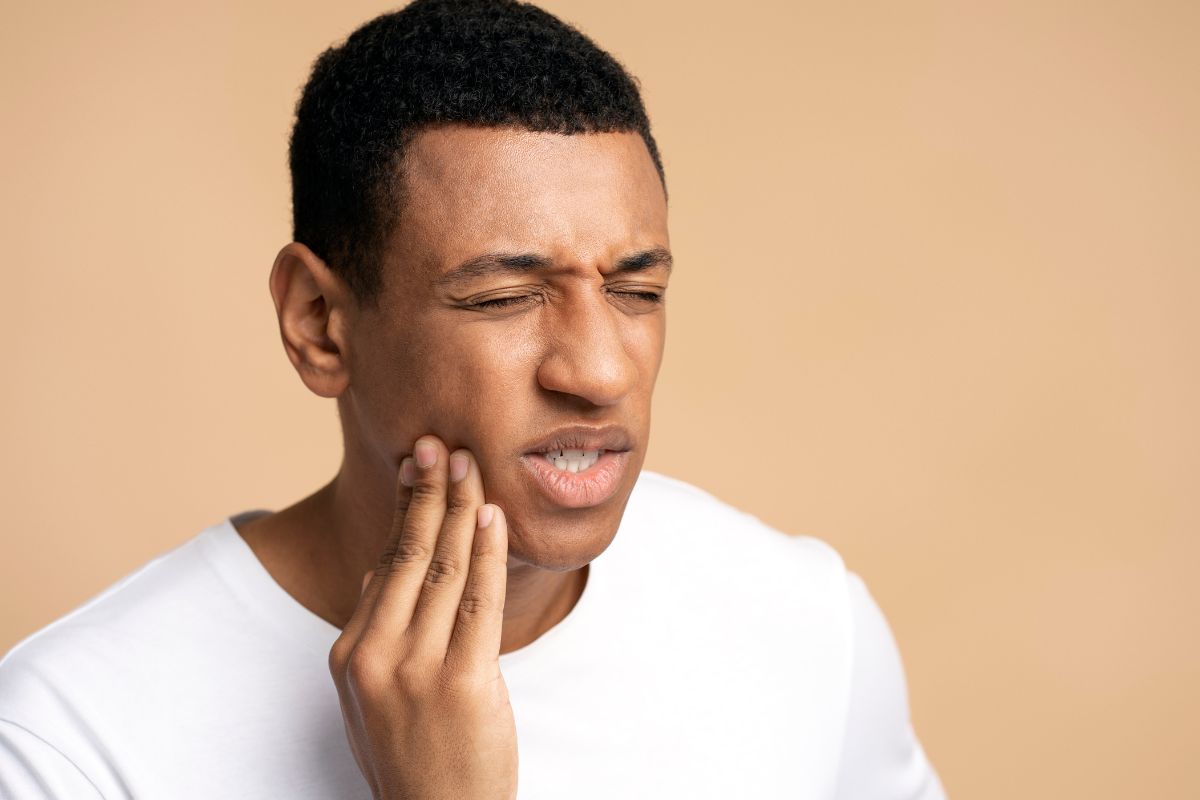
Are you experiencing pain or discomfort in your jaw when speaking, chewing, or yawning? You may be suffering from TMJ disorder. This condition affects millions of people worldwide and can lead to chronic headaches, earaches, and even sleep disorders. However, did you know that early orthodontic treatment could help prevent TMJ disorder?
What is TMJ Disorder?
TMJ disorder, also known as temporomandibular joint disorder, is a condition that affects the muscles and joints in your jaw. These joints are responsible for connecting your jawbone to your skull, allowing you to open and close your mouth easily.
When someone experiences TMJ disorder, they may feel discomfort or pain when doing everyday activities such as eating or speaking. This can be caused by a variety of factors including stress and teeth grinding.
Symptoms of TMJ disorder can include headaches, earaches, difficulty opening and closing the mouth fully, clicking or popping sounds in the jaw joint during movement, and even neck pain or stiffness.
It’s essential to consult with a dental professional if you experience any of these symptoms regularly. A dentist can diagnose TMJ disorder through physical examination and recommend appropriate treatment based on the severity of symptoms.
How Orthodontic Treatment Can Affect TMJ Disorder
Orthodontic treatment involves the use of braces or other orthodontic appliances to correct dental issues such as crooked teeth, overcrowding, and misaligned bites. But did you know that this type of treatment can also have an impact on TMJ disorder?
By properly aligning the teeth and jaw through orthodontic treatment, patients with TMJ disorder may experience a decrease in symptoms such as pain and discomfort in the jaw joint, headaches, and difficulty chewing. This is because correcting bite alignment can help reduce stress on the jaw joint.
However, it’s important to note that not all orthodontic treatments are created equal when it comes to addressing TMJ disorder. In some cases, certain types of braces or appliances may actually exacerbate existing symptoms.
That’s why it’s crucial for patients who suffer from TMJ disorder to seek out a qualified orthodontist who has experience treating this specific issue. A thorough evaluation will be performed to determine which type of treatment will be most effective for each individual case.
While orthodontic treatment alone may not completely cure TMJ disorder, it can play an important role in managing symptoms and improving overall oral health.
Treatment For TMJ Disorder
The treatment for TMJ disorder is dependent on the severity of symptoms and underlying causes. In mild cases, self-care techniques such as jaw exercises, applying heat or cold pack to the affected area, avoiding hard foods that require excessive chewing, and practicing stress management techniques may help alleviate symptoms.
In more severe cases, medical intervention may be required. This could include pain medication or muscle relaxants to reduce discomfort and inflammation in the jaw joint. Physical therapy or chiropractic care can also assist with improving joint mobility and reducing muscle tension.
Orthodontic treatment options for TMJ disorder include braces or aligners to correct bite alignment problems that contribute to jaw dysfunction. In some instances, a dental splint or mouthguard can be used to prevent teeth grinding at night which exacerbates TMJ disorder.
Surgical interventions are rare but may be necessary for those with severe damage to the joint structure. These procedures aim at repairing damaged tissues in the joint using arthroscopy or open-joint surgery.It’s important to note that early detection and diagnosis of TMJ disorder offer better chances of successful treatment outcomes.
Therefore, if you experience any signs of TMJ disorder such as pain when chewing food or talking, clicking sounds from your jaw joints when opening your mouth wide among others consult an orthodontist immediately for proper evaluation and recommendations on appropriate treatments available based on your specific needs.
The Bottom Line
TMJ disorder can be a painful and debilitating condition that affects many people. However, early orthodontic treatment has been shown to have a positive impact on the development of TMJ disorder. By addressing issues with tooth and jaw alignment at an early age, it is possible to prevent or minimize the occurrence of this condition in later life.
If you suspect that you or your child may be suffering from TMJ disorder, it is important to seek professional advice as soon as possible. A consultation with an orthodontist can help determine whether orthodontic treatment could be beneficial in preventing or managing this condition.
With proper care and attention, it is possible to maintain good oral health and reduce the risk of developing TMJ disorder. By working together with a qualified orthodontist, individuals can enjoy healthy teeth and jaws for life!