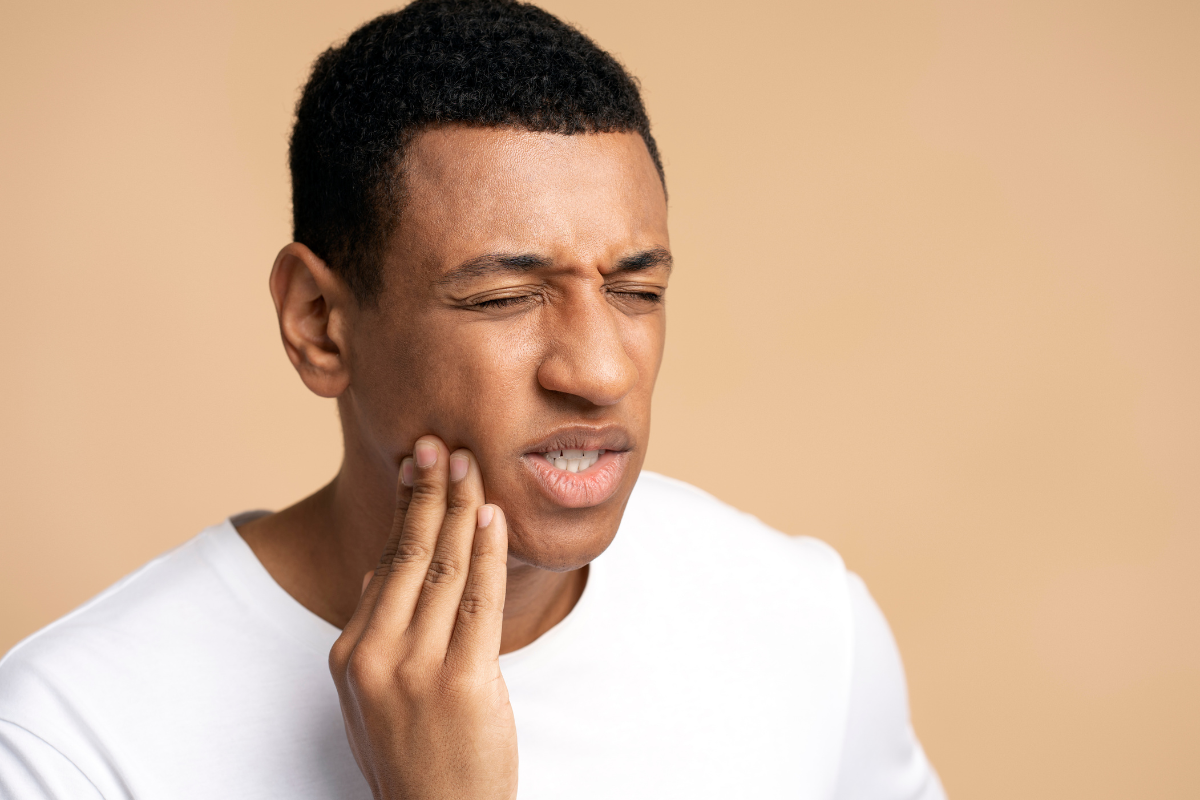
Do you wake up feeling tired even after a full night’s sleep? Do you experience jaw pain or headaches throughout the day? The culprit behind these symptoms might be TMJ disorder, a condition that affects millions of people worldwide. But did you know that TMJ disorder can also lead to another common sleep problem – sleep apnea? In this blog post, we’ll explore the connection between these two conditions and what you can do to find relief and improve your overall health. So sit back, relax, and let’s dive into the world of TMJ disorder and sleep apnea!
What Is TMJ Disorder?
TMJ disorder, or temporomandibular joint disorder, is a condition that affects the jaw joint and surrounding muscles. This joint connects your jawbone to your skull and allows you to open and close your mouth when speaking, chewing, and yawning.
There are many causes of TMJ disorder including injury to the jaw joint or muscles around it, arthritis in the joint itself, or even stress which can cause clenching or grinding of teeth. Symptoms may include pain in the jaw area, clicking or popping sounds when opening and closing your mouth, headaches, earaches, difficulty chewing food properly as well as limited movement of the lower jaw.
If left untreated for a long time TMJ disorders can lead to more severe complications such as sleep apnea. It’s important to consult with a dentist if you experience any symptoms like these so they can provide an accurate diagnosis and develop an appropriate treatment plan tailored specifically for you.
The Relationship Between TMJ Disorder And Sleep Apnea
TMJ Disorder, also known as temporomandibular joint disorder, is a condition that affects the jaw joint and surrounding muscles. It can cause pain or discomfort in the jaw, face, neck, shoulders, and ears. Sleep Apnea is a sleep disorder characterized by pauses in breathing during sleep.
Research has shown that there is a connection between TMJ Disorder and Sleep Apnea. People with TMJ Disorder are more likely to develop sleep apnea because their airways may become obstructed due to the misalignment of their jaws.
When the jaw is misaligned or not functioning properly due to TMJ Disorder, it can lead to tension in the muscles around the airway. This tension can cause narrowing of the airway which makes it harder for air to pass through while sleeping.
Similarly, people who suffer from Sleep Apnea may be at an increased risk of developing TMJ Disorder because they tend to clench or grind their teeth while sleeping. This constant pressure on the jaw joint can lead to inflammation and pain over time.
It’s important for patients who have both conditions to receive comprehensive treatment options that address both disorders simultaneously. By treating underlying issues such as stress levels or structural abnormalities in conjunction with traditional treatments like oral appliances or surgery if necessary; patients may find relief from symptoms associated with both conditions allowing them better quality restorative sleep overall
Treatment For TMJ Disorder And Sleep Apnea
Treatment for TMJ Disorder and Sleep Apnea is often multi-faceted, as there are various contributing factors that may need to be addressed. First, a thorough evaluation by a dentist or sleep specialist should occur to determine the severity of the conditions.
For TMJ Disorder treatment, options can include exercises to strengthen jaw muscles, wearing a mouthguard at night to prevent teeth grinding and clenching, and using relaxation techniques such as meditation or massage therapy. In some cases, more advanced treatments like orthodontic work or surgery may be necessary.
Sleep apnea treatment often involves the use of continuous positive airway pressure (CPAP) machines that help keep airways open while sleeping. However, oral appliances can also be used in mild-to-moderate cases of sleep apnea. These appliances reposition the tongue and lower jaw so that airways stay open during sleep.
It’s important to note that lifestyle changes such as maintaining a healthy weight and avoiding alcohol or sedatives before bed can also greatly improve both TMJ Disorder and sleep apnea symptoms.
Effective treatment for these conditions requires an individualized approach based on each person’s specific needs. Consulting with healthcare professionals who specialize in these areas can lead to successful management of these disorders.
The Bottom Line
The connection between TMJ disorder and sleep apnea is a crucial link that many people are not aware of. Understanding how these two conditions are related can help you identify symptoms early on, seek treatment promptly and improve your overall quality of life.
If you suspect that you may be suffering from TMJ disorder or sleep apnea, it’s essential to consult with a medical professional for proper diagnosis and treatment. Treatment options range from lifestyle adjustments such as stress reduction techniques to more advanced treatments like oral appliances or surgery in severe cases.
Don’t let these conditions impact your daily life any longer; take control of your health today by seeking the necessary care. Remember: good health starts with awareness!